Quick answer
To refresh potting soil without repotting, remove the top 1–2 inches of old soil, gently loosen the remaining soil with a chopstick or skewer, and top dress with fresh potting mix. This restores nutrients and improves aeration. Do this every 6–12 months for indoor planters and seasonally for outdoor planters.
Your plant is happy in its current planter, but the soil looks tired, compacted, or has a crusty layer on top. Repotting feels risky or unnecessary, especially for plants that dislike root disturbance. The good news: you can refresh potting soil in an existing planter without repotting.
This method works for both indoor and outdoor planters. It is not a full soil replacement, but it buys you months of healthier growth by restoring structure and nutrients in the root zone. You will need fresh potting mix, a hand cultivator or chopstick, and a few minutes.
Why refresh instead of repot
Repotting stresses plants, especially those with fine roots or those that are thriving. It also requires a larger pot, more space, and a mess. Refreshing the top layer of soil addresses the most common problems: nutrient depletion, surface compaction, and salt buildup from fertilizer.
For indoor planter soil care, refreshing is less disruptive and can be done in place. Outdoors, it helps after a long growing season when heavy watering has washed away nutrients. The goal is to improve the top 2–3 inches where most feeder roots and microbial activity happen.
- Refresh when you see a white crust on the soil surface or water pools instead of soaking in.
- Skip refreshing if the plant is root-bound or the soil smells sour—those are signs you need a full repot.
What you need
Gather a small trowel or old spoon, a chopstick or wooden skewer, fresh potting mix, and optional slow-release fertilizer or compost. For indoor use, choose a sterile mix to avoid fungus gnats. For outdoor planters, you can use a mix with compost or aged manure.
If your planter has a narrow opening, a chopstick works better than a trowel. A small brush helps clean the rim afterward. You do not need to remove the plant.
- Use fresh mix that matches your plant's needs—cactus mix for succulents, all-purpose for most houseplants.
- Avoid garden soil in containers; it compacts and drains poorly.
Step-by-step soil refresh
Start by watering the plant lightly a day before. Moist soil is easier to work and less dusty. Then, use your fingers or a spoon to gently scrape away the top 1–2 inches of old soil. Stop when you see healthy roots or reach the original root ball.
Next, aerate the remaining soil. Push a chopstick straight down into the soil in several spots around the plant, wiggling it to create small channels. This relieves compaction without damaging roots. Then, add fresh potting mix to fill the space you created, tapping the planter to settle it.
Finally, water thoroughly until water runs out the drainage holes. If your planter has no drainage, water sparingly and never let it sit in standing water. Add a slow-release fertilizer if the fresh mix does not already contain it.
- Do not bury the plant's crown or stem—keep the base at the same level as before.
- If you see roots circling the top, your plant may need a full repot instead.
Soil refresh steps at a glance
- Water lightly the day before: Moist soil is easier to work and creates less dust. Check that the top inch is damp but not soggy. If water pools on the surface, wait a day—the soil is still too wet to refresh.
- Remove the top 1–2 inches of old soil: Use a spoon or small trowel to scrape away the crusty, compacted layer. Stop when you see healthy roots or reach the original root ball. Do not dig deeper than 2 inches; you risk damaging shallow feeder roots.
- Aerate with a chopstick: Push a chopstick or skewer straight down into the soil in 5–6 spots around the plant, wiggling gently to create channels. If the chopstick meets strong resistance, the soil is severely compacted—consider a full repot.
- Top dress with fresh potting mix: Fill the space you created with fresh mix, tapping the planter to settle it. Do not press down hard. Leave a 1-inch gap below the rim for watering.
- Water thoroughly and fertilize if needed: Water until it runs out the drainage holes. If your fresh mix lacks fertilizer, add a slow-release granules according to package directions. For planters without drainage, water in small amounts and never let water sit.
Planters that make soil refresh easier
- Cylinder Concrete Planter By Plantatorem: Compact 3.5" x 3.0" size, concrete look, suitable for desks, shelves, and windowsills. Small enough to lift and tilt for top dressing, and the concrete look hides minor soil splashes.
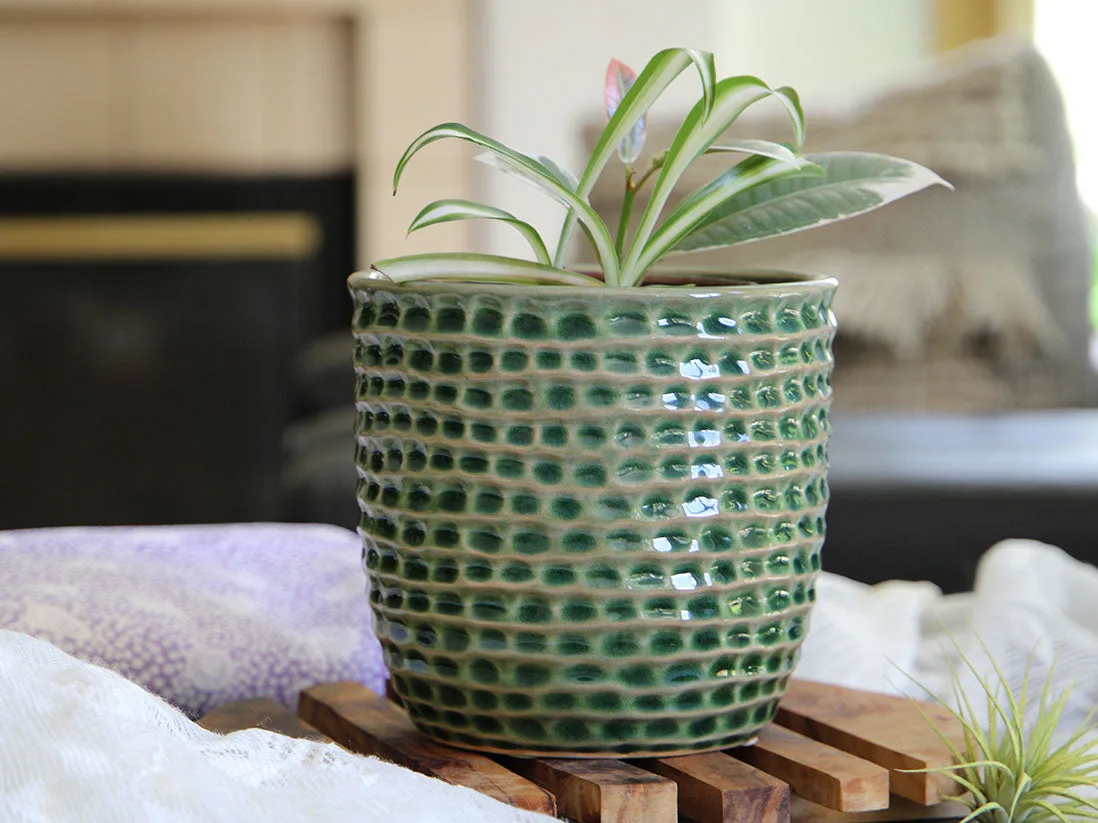
- https://plantatoremez.com/products/honeycomb-planter-case-of-6-b80c8d6e97a41c3434584ea4-2580490https://plantatoremez.com/products/honeycomb-planter-large-case-of-6-6240b814a0c72c0b02de6094-2580507https://plantatoremez.com/products/honeycomb-planter-case-of-4-72d6351cb4d6273965a1e8de-2580508Honeycomb Planter By Plantatorem: Ceramic indoor planter with honeycomb-inspired look, 9.0" D x 8.5" H, available in six colors. The wide opening gives you room to work a trowel and refresh soil without removing the plant.
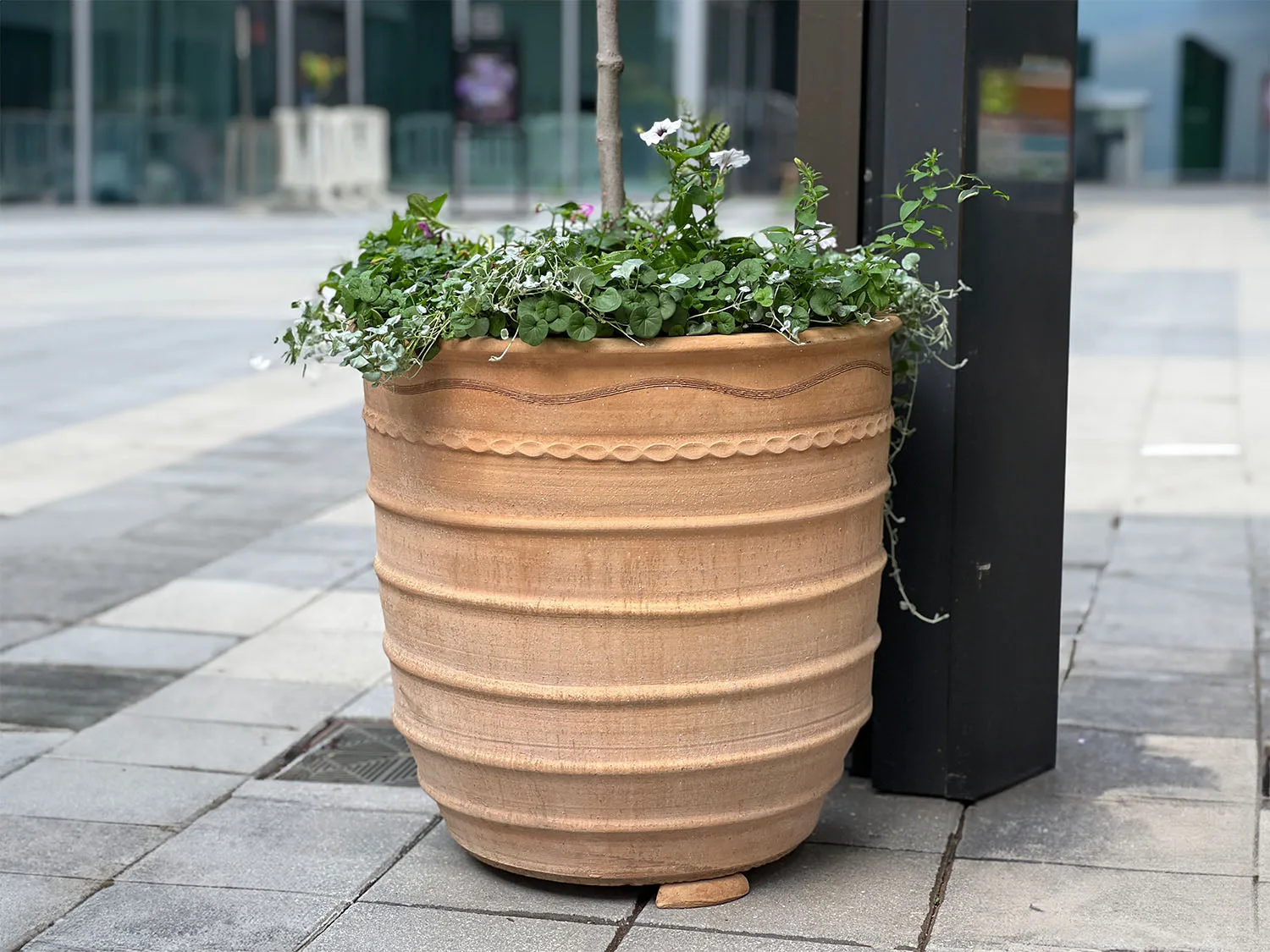
- PITHOS POT: Hand-built terracotta vessel from the Tuscan Sun collection, shaped like an ancient Greek storage jar. Terracotta breathes, which helps prevent the soggy soil that makes refreshing necessary; the flared collar makes it easy to add soil.
Refreshing potting soil without repotting is a quick, low-stress way to keep plants healthy in their existing containers. Do it every 6–12 months for indoor planters and at the start of each growing season for outdoor ones. Your plants will thank you with new growth.