Quick Answer
To remove patch adhesive residue, gently rub the area with a cotton ball soaked in baby oil or coconut oil, then wash with mild soap and water. If residue persists, use an adhesive remover wipe designed for skin. Avoid harsh scrubbing or alcohol, which can irritate the skin.
After wearing a topical patch for hours or overnight, you may notice a sticky film left on your skin. This is normal—patch adhesives are designed to hold firmly, and some residue is common. The good news is that you can clean it off easily without damaging your skin.
In this guide, we’ll walk you through safe, effective methods to remove patch glue, what to avoid, and how to care for your skin afterward. Whether you're using wellness patches or skincare patches, these tips will help you keep your skin clean and comfortable.
Why Does Patch Residue Happen?
Patch adhesives are engineered to stay in place through movement, sweat, and time. The glue needs to be strong enough to keep the patch on, but that same stickiness can leave a residue when you peel it off. Factors like skin oil, humidity, and how long you wear the patch can affect how much residue remains.
Some people naturally have oilier skin, which can mix with the adhesive and make it stickier. Others may find that certain fabrics or lotions interact with the patch glue. Understanding these causes helps you choose the best removal method for your skin type.
- Wear time: Longer wear often means more residue.
- Skin type: Oily skin may increase stickiness.
- Patch placement: Areas with friction may leave more glue.
Gentle Removal Methods That Work
Start with the least irritating method: apply a small amount of baby oil, mineral oil, or coconut oil to a cotton ball and gently rub the residue in a circular motion. The oil breaks down the adhesive without pulling on your skin. After the residue lifts, wash the area with mild soap and water to remove any oily film.
If oil isn't enough, try a warm, soapy washcloth. Soak a clean cloth in warm water with a gentle cleanser, place it over the area for a minute to soften the glue, then wipe away. For stubborn spots, over-the-counter adhesive remover wipes (like those used for medical tape) are safe and effective—just follow the instructions on the package.
After cleaning, pat your skin dry and apply a fragrance-free moisturizer to soothe the area. Avoid scrubbing with abrasive pads or using rubbing alcohol, which can dry and irritate the skin, especially if you have sensitive skin.
- Always test a small area first if you have sensitive skin.
- Use gentle pressure—never pull or scrape the skin.
- Moisturize after cleaning to restore the skin barrier.
What to Avoid When Removing Patch Glue
Some common household remedies can do more harm than good. Avoid using nail polish remover, paint thinner, or other harsh solvents—they are not meant for skin and can cause burns or allergic reactions. Also, skip vigorous scrubbing with loofahs or exfoliating gloves, as this can create micro-tears and leave the area red and sore.
If you have sensitive skin or a condition like eczema, steer clear of alcohol-based wipes and fragranced products. Instead, opt for oil-based removers and gentle cleansers. If irritation persists or you notice a rash, stop using that patch brand and consult a healthcare professional.
- No harsh chemicals like acetone or bleach.
- No rough scrubbing tools.
- No repeated rubbing on irritated or broken skin.
Preventing Residue in the Future
To minimize residue, make sure your skin is clean and dry before applying a patch. Avoid applying lotions, oils, or creams to the area beforehand, as they can interfere with adhesion and cause the patch to shift, which may lead to more glue left behind. Press the patch firmly for a few seconds to ensure good contact.
When removing the patch, peel it off slowly in the direction of hair growth, holding the skin taut with your other hand. This reduces the amount of adhesive left and is gentler on your skin. If you regularly use patches, consider rotating application sites to give your skin a break and reduce irritation.
- Clean and dry the skin before applying.
- Avoid lotions or oils on the application area.
- Peel slowly and support the skin while removing.
Diagnosis: Is Your Residue Normal or a Sign of a Problem?
- Symptom: You notice a sticky film or faint outline of glue on your skin after removing a patch. This is common and usually harmless.
- Likely Cause: The adhesive is designed to stick firmly; residue occurs when the glue interacts with skin oils, sweat, or long wear time. Using oil-based removers or gentle soap can easily clean it.
- Corrective Action: Apply baby oil or coconut oil, let it sit for a few seconds, then gently wipe. Wash with mild soap and water. For stubborn residue, use an adhesive remover wipe. If the residue doesn't come off after two attempts, stop and try a different method.
- When to Stop and Choose Another Option: If your skin becomes red, itchy, or blistered, or if you see signs of an allergic reaction, stop using that patch brand and consult a healthcare professional. Your skin health is more important than removing every trace of glue.
Products That Help with Patch Care
- The Patch Pouch: Keep your patches organised wherever life takes you. Perfect for travel, gym bags, handbags, and everyday organisation. Protects your patches on the go, compact and lightweight, easy to find in your bag, designed for everyday use. Storing your patches in a pouch keeps them clean and free from lint or debris, which can affect adhesion and leave more residue. A dedicated pouch also helps you keep your patches and removal supplies together.
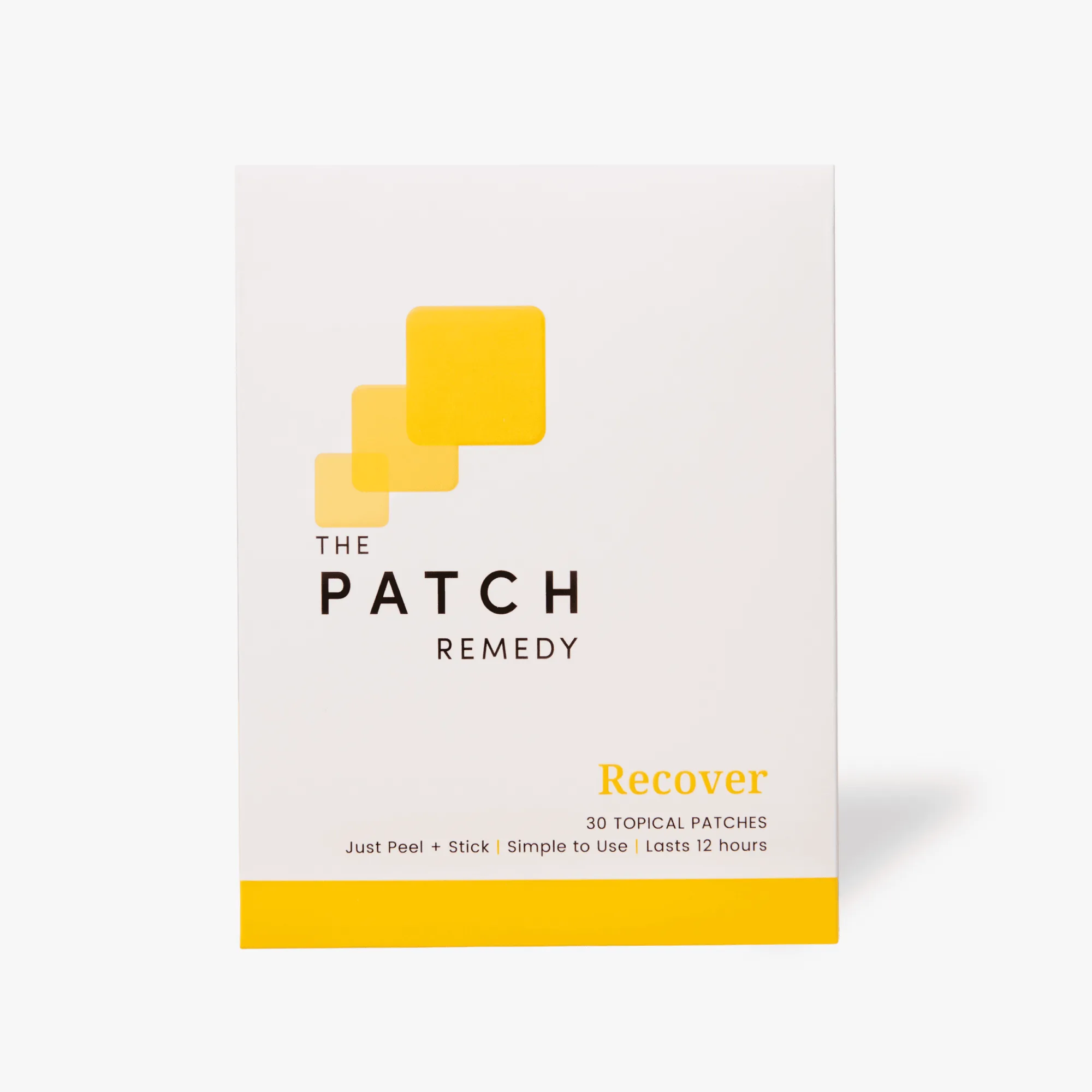
- Recover: Keep your wellness routine simple with a convenient blend of antioxidants and botanicals in an easy-to-use topical patch. Perfect for social occasions that run late, busy weekends, travel days, and everyday wellness routines. After removing a patch, your skin might feel sensitive. Knowing that your wellness patch is easy to apply and remove helps you maintain a routine without worrying about residue. Proper removal and aftercare keep your skin ready for the next application.
Removing patch adhesive residue doesn't have to be a struggle. With the right technique and a little patience, you can keep your skin clean and comfortable. Remember to use gentle methods, avoid harsh chemicals, and always listen to your skin. If irritation occurs, switch to a different patch or consult a professional. Happy patching!