Start with what REPAIR MY HAIR SHAMPOO is built to do
REPAIR MY HAIR NOURISHING SHAMPOO is a strengthening shampoo used to rebuild damaged hair and protect from heat styling. That description sets the job of this product: it is a wash-step product for hair that already shows damage and for routines that include heat styling.
A repair-focused wash routine works best when the shampoo's role is clear. You are not layering several repair steps on top of each other; you are using one strengthening shampoo consistently and letting the rest of the wash day support it.
The product facts that shape the routine
-
REPAIR MY HAIR SHAMPOO: REPAIR MY HAIR NOURISHING SHAMPOO is a strengthening shampoo used to rebuild damaged hair and protect from heat styling. This is the supplied purpose of the product, so the routine should center on damaged hair and heat-styling protection rather than on unrelated concerns.
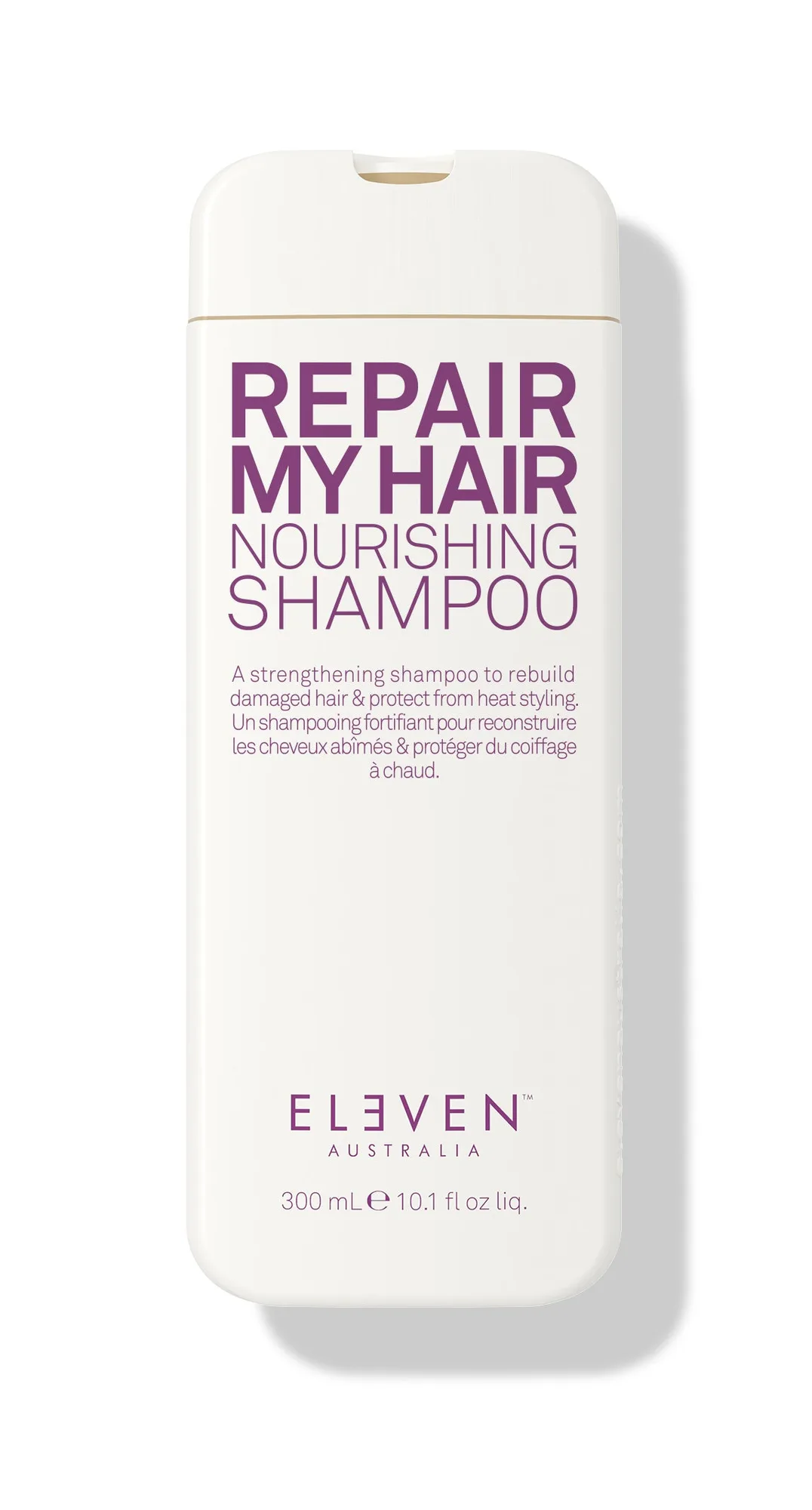
REPAIR MY HAIR SHAMPOO
-
REPAIR MY HAIR SHAMPOO: Available sizes: 1.7 FL OZ, 10.1 FL OZ, and 32.5 FL OZ. Size choice affects how easily the shampoo fits a trial period, a regular wash routine, or a shared bathroom.
A simple damage repair wash sequence
The supplied product record does not include step-by-step instructions, so the sequence below organizes the shampoo around its stated purpose. It is a routine framework, not a manufacturer's application protocol.
- 1. Detangle before you wet your hair: Damaged hair is more likely to tangle, and working through knots before washing reduces the need to pull on wet strands. Use your usual gentle detangling method.
- 2. Wet hair thoroughly: Full saturation helps the shampoo spread evenly instead of concentrating in one area.
- 3. Apply REPAIR MY HAIR SHAMPOO to the scalp and roots first: Start where oil and buildup collect, then let the lather move through the lengths as you rinse. The product record does not specify an amount, so begin with a modest quantity and add more only if needed.
- 4. Let the shampoo do its stated job before rinsing: The record does not give a leave-on time. Follow the general principle of washing, then rinsing thoroughly rather than leaving shampoo in the hair.
- 5. Rinse completely and follow with conditioner: The record does not include a companion conditioner instruction. Use the conditioner that suits your hair and keep the focus on thorough rinsing.
- 6. Protect hair before heat styling: Because the shampoo is described as protecting from heat styling, treat that as part of the wash-day plan: use your usual heat protection and keep styling tools at sensible settings.
Repair shampoo usage tips that fit this product
- Keep the routine consistent rather than intense: The record does not specify how often to use the shampoo. A steady place in your normal wash schedule is more useful than trying to force faster results.
- Focus on damaged areas without over-washing: If your ends are the most damaged part, let the shampoo pass over them during rinsing rather than scrubbing them directly.
- Do not expect the shampoo to replace heat protection: The product is described as protecting from heat styling, but the record does not confirm that it replaces a dedicated heat protectant. Keep your usual styling safeguards.
- Match the size to how you wash: The 1.7 FL OZ size suits a trial or travel; the 10.1 FL OZ size suits a regular single-user routine; the 32.5 FL OZ size suits frequent washing or sharing.
What the product record does not settle
The supplied information does not include a full ingredient list, a recommended washing frequency, a leave-on time, or a patch-test result. It also does not confirm suitability for a specific scalp condition or allergy. If you have a sensitive scalp or a known reaction to hair products, check the full packaging or ask the brand before building a routine around it.
That gap is not a reason to avoid the product; it is a reason to keep the routine simple and to stop using it if your scalp reacts. The shampoo's documented role is strengthening damaged hair and protecting from heat styling, and the routine above stays within that role.