Quick answer
Replace a sex furniture cover when the fabric or seams are failing, when stains or odors survive a proper wash, or when the cover no longer stays put during use. If the cover is intact and only soiled, wash it according to the care label instead of replacing it. For a removable cover, match the replacement to the furniture's brand, model, and dimensions rather than guessing by shape.
Separate the cover problem from the furniture problem
Before you shop for replacement covers for sex furniture, confirm the furniture itself is still sound. Press along the foam or filling: if it has collapsed, gone lumpy, or lost its shape, a new cover will only dress up a failing piece. Check the zipper, if there is one, and the seams. A broken zipper can sometimes be repaired by a tailor, but a torn seam that keeps splitting usually means the cover is done. This distinction matters because replacing a cover on dead foam wastes money, while replacing furniture when only the cover is worn wastes more.
How to measure for a sex furniture cover that actually fits
Sex furniture cover sizing is not universal. Measure the furniture at its widest points, not the cover you are removing, because a stretched or shrunken old cover can mislead you. Record length, width, and height at the thickest section, then note whether the shape is a wedge, ramp, or combination. If the original cover had a zipper, measure the zipper length too. When you contact a retailer about a replacement, give those numbers plus the brand and model name. If the manufacturer does not sell replacement covers for that model, a custom seamstress can often copy the old cover, but expect a higher cost than an off-the-shelf option.

ramp
Washable sex furniture covers: what to check before you buy
A cover you can remove and wash extends the life of the furniture and reduces how often you need a replacement. Look for a cover that unzips fully or opens wide enough to remove without forcing it over corners. Check the care instructions before purchase: some covers are spot-clean only, which is a poor match for regular use. If you are buying furniture with the intention of replacing the cover later, confirm the brand sells covers separately. Brands that treat covers as a stocked accessory make maintenance far easier than brands that treat them as a one-time part of the product.
When to stop repairing and replace instead
Patching works for small issues, but there is a point where repairs cost more than a replacement. If you have repaired the same seam twice, if the fabric has thinned to the point where it tears under normal pressure, or if the cover no longer grips the furniture and slides during use, replacement is the better call. Also replace rather than repair if the cover has absorbed odors that return after washing, since that usually means the filling or inner layers are affected. At that stage, a new cover alone may not solve the problem if the odor has reached the foam.
Cover problem diagnosis
- Surface stains that return after washing: The stain has likely penetrated the cover into the filling or inner layers. Washing the cover again will not fix it. If the furniture's foam is affected, replace the furniture, not just the cover.
- Seams splitting or fabric tearing at stress points: This usually means the fabric has weakened from age, heat, or repeated stretching. A single repair may hold, but repeated failures signal the cover is at the end of its life. Replace the cover if the same seam fails twice or if the fabric tears under normal use.
- Cover slides or bunches during use: The cover may have stretched or lost its grip. Check whether it is correctly sized and whether any elastic or fasteners are worn. If a correctly sized cover still slides, the cover material or the furniture's surface may be incompatible; consider a different cover style or a replacement.
- Zipper broken or stuck: A broken zipper can sometimes be replaced by a tailor, but if the zipper pull is missing or the teeth are damaged, repair may not be cost-effective. Get a repair quote first; if it approaches the cost of a new cover, replace instead.
Products with replaceable or washable cover considerations
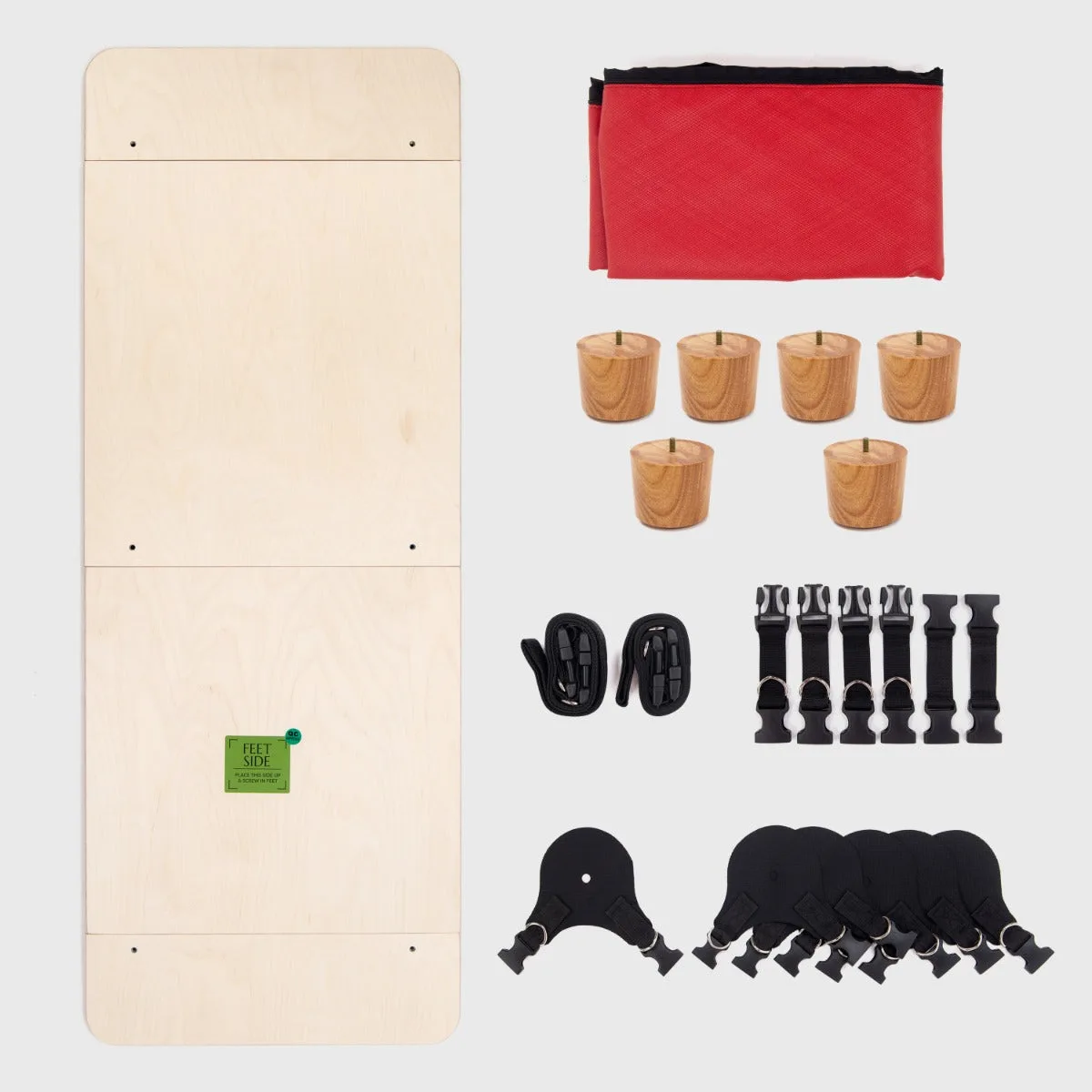
- Bondage Wedge Ramp Combo (X-Wide): The Bondage https://liberatorsz.com/products/wedge-ramp-combo-plus-d5a48b9919a84fc3cee36bb4-758101https://liberatorsz.com/products/wedge-ramp-combo-bondage-7f6115331328f235c9fc4b80-757847Wedge Ramp Combo (X-Wide) has reinforced ballistic nylon sides for extra strength and stability, and supports optional cuff accessories. A reinforced cover is more resistant to wear at stress points, so it may last longer between replacements, and the option system means you can add accessories without replacing the furniture.
- Vaya Convertible Ramp: The Vaya Convertible Ramp has a fold-out design that creates an elevated stage for positions and is described as dual-purpose. A convertible shape means the cover has to accommodate folding and unfolding, so check that any replacement cover allows the same range of motion rather than restricting the fold.
- Heart Wedge: The Heart Wedge is a compact positioning pillow with a gentle incline and contoured dip, wrapped in ultra-soft fabric. Compact pillows are easier to cover with a custom or universal option, but the contoured dip means a flat cover may not sit correctly, so fit matters more than size alone.