Start With the Valve, Not the Motor
When your wearable pump suddenly feels weaker, the valve is one of the first parts to check. The valve works with the pump's diaphragm to create and hold suction while you express. If it is worn, warped, or not seated properly, suction can drop even though the pump itself is running.
You do not need to replace the whole pump to fix a suction problem. A fresh set of replacement valves is a simple, low-cost swap that restores the seal the diaphragm relies on.
Signs Your Wearable Pump Valves Need Swapping
Check for these clues during or right after a pumping session. They point to the valve as the likely cause of weaker suction.
- Suction feels noticeably weaker: If you have to turn up the pump or still feel less pull than usual, a worn valve may be letting air past the diaphragm.
- The valve looks stretched, torn, or misshapen: A valve that no longer sits flat or has visible damage cannot seal reliably. Replace it rather than trying to reshape it.
- Milk collects or drips where it should not: A poor valve seal can let milk slip past. If you notice milk in the wrong part of the pump set, inspect the valve.
- It has been 4–6 weeks of regular use: Lansinoh advises replacing valves every 4–6 weeks as good practice. If you cannot remember the last swap, start there.
The Valve That Works With Your Diaphragm
-
Replacement Wearable Pump Valves: Replacement Wearable Pump Valves work with your Wearable Breast Pump's diaphragm to ensure proper suction when expressing breastmilk. This is the specific part that restores the seal behind weak suction, so you can replace the valve instead of the whole pump.
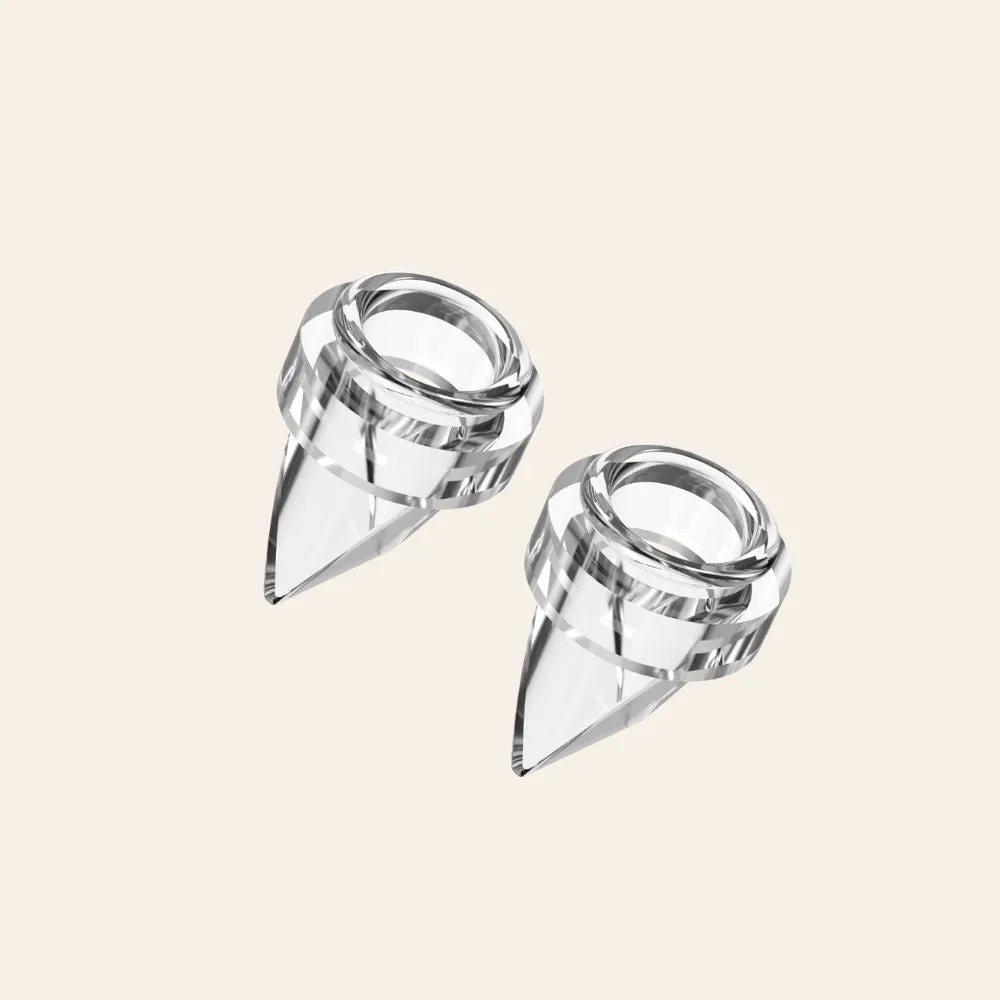
Replacement Wearable Pump Valves
-
Replacement Wearable Pump Valves: It's good practice to check your valves after each breast pumping session and replace them every 4–6 weeks. A regular check catches wear before it turns into a noticeable suction drop, and the 4–6 week window gives you a simple replacement rhythm.
How to Check and Swap the Valve
Keep the routine short so it fits into your pumping schedule.
- Check after each session: Look at the valve while you clean the pump parts. Check for stretching, tears, or anything that stops it sitting flat.
- Clean as part of your normal pump routine: Follow the cleaning instructions that came with your wearable pump set. The supplied valve information does not include separate cleaning steps, so use your pump's guidance.
- Replace at the 4–6 week mark: If you pump regularly, swap the valve every 4–6 weeks even if it looks fine. If suction drops sooner, replace it then.
- Match the valve to your pump: These valves are designed for Lansinoh Wearable Breast Pumps. Check your pump model before ordering if you use a different brand.
What Else Can Cause Weak Suction
A worn valve is a common culprit, but it is not the only part that affects suction. If a new valve does not restore your usual pull, check the rest of the pump set: the diaphragm, the tubing or connector if your model uses one, and that all parts are seated correctly. Our guide to breast pump tubing and connector care covers those checks in more detail.
If the pump still feels weak after you have checked the valve and the rest of the set, the issue may be with the pump unit itself. The supplied information for these valves does not cover motor faults, so refer to your pump's manual or contact the manufacturer for further help.
Pack Sizes and Hygiene Note
- Replacement Wearable Pump Valves: Available in 2 or 4 packs. A 2 pack covers roughly 8–12 weeks of regular pumping at the 4–6 week replacement interval; a 4 pack gives you a longer supply so you are not caught out.
- Replacement Wearable Pump Valves: For health protection and hygiene reasons, once opened this product may not be returned. Your statutory rights are not affected. Check you are ordering the right pack size and model before opening, because opened valves cannot be returned for hygiene reasons.