What the tail pipe does and why it wears
The tail pipe, sometimes called a mid-pipe, is the connecting component between your slip-on muffler and the rest of the exhaust system. On a WR250X or YZFR1, this stainless section carries hot exhaust gas and is exposed to vibration, road spray, and the constant heating and cooling of normal riding. Over time, that environment can take a toll on the pipe.
When the tail pipe becomes worn or damaged, replacing it restores the connection between the muffler and the system. The two Yoshimura replacement tail pipes listed here are direct service parts for specific models: the YZFR1 02-03 Stainless Full System Slip On Tail Pipe and the WR250X 08-12 RS4S Slip On Stainless Tail Pipe.
Signs that point to tail pipe wear
- Visible corrosion or pitting: Stainless steel resists rust, but it is not immune to surface corrosion, especially after years of exposure to road salt and moisture. Pitting or flaking on the tail pipe surface is a sign the part is deteriorating and may need replacement.
- Cracks or splits at welds: The tail pipe connects to the muffler and the rest of the system, so its welds and bends carry stress. Cracks at these points can worsen with vibration and heat cycling, and a cracked tail pipe should be replaced rather than patched.
- Exhaust leaks or unusual noise: A leaking tail pipe can produce a louder, harsher exhaust note or a ticking sound that changes with engine speed. If the leak originates at the tail pipe joint or along the pipe itself, replacement is the straightforward fix.
- Physical damage from impact: A drop, a curb strike, or debris can dent or bend the tail pipe. Even a small dent can affect the fit between the muffler and the rest of the system, so inspect the pipe carefully after any impact.
- Difficulty fitting the muffler: If your slip-on muffler no longer seats properly or the connection feels loose, the tail pipe may be distorted or worn at the joint. This is a strong signal to replace the connecting pipe.
Why stainless still needs attention
Stainless steel is chosen for exhaust parts because it handles heat and resists corrosion better than mild steel. But stainless tail pipe wear is still a real concern, particularly on bikes that see year-round riding or coastal air. The material can develop surface rust, discoloration, and eventually thinning if contaminants sit on it. Regular cleaning helps, but once the metal is compromised, replacement is the reliable path.
The YZFR1 02-03 and WR250X 08-12 tail pipes in this article are both stainless steel service parts. They are not universal fitments; each is listed for a specific model and year range, which is central to getting the right replacement.
The two replacement tail pipes at a glance
-
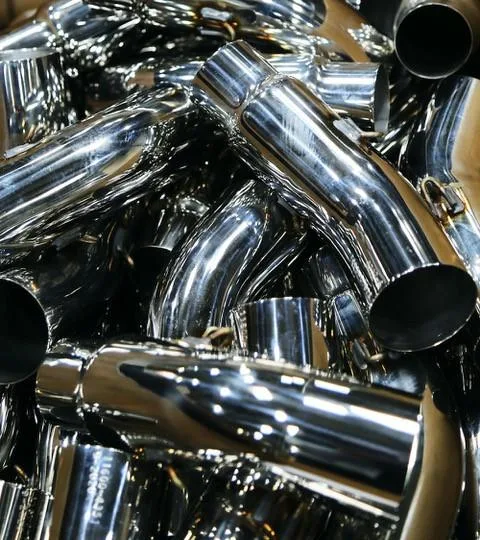
YZFR1 02-03 Stainless Full System Slip On Tail Pipe: YZFR1 02-03 Stainless Full System Slip On Tail Pipe This is the tail pipe listed for the 2002–2003 Yamaha YZFR1. If you ride one of those model years and your slip-on tail pipe is worn, this is the specific replacement part to check.
YZFR1 02-03 Stainless Full System Slip On Tail Pipe
-
WR250X 08-12 RS4S Slip On Stainless Tail Pipe: WR250X 08-12 RS4S Slip On Stainless Tail Pipe This is the tail pipe listed for the 2008–2012 Yamaha WR250X with the RS4S slip-on. It is the correct service part for that model and exhaust combination.
WR250X 08-12 RS4S Slip On Stainless Tail Pipe
How to confirm the right tail pipe for your bike
- Identify your exact model and year: The YZFR1 tail pipe covers 2002–2003, and the WR250X tail pipe covers 2008–2012. Start by confirming your bike falls within one of those ranges.
- Search the Yoshimura website by your bike's model: Use the search bar on the Yoshimura site with your bike's model name to see whether the tail pipe is listed for your specific machine. This is the most direct way to verify fitment.
- Check that your slip-on matches the system: The WR250X tail pipe is specifically for the RS4S slip-on. The YZFR1 tail pipe is for the full system slip-on application. Make sure the tail pipe you order corresponds to the exhaust you have.
- Ask before you order if anything is unclear: If you are unsure which tail pipe fits your bike, contact Yoshimura directly at 800-634-9166 or [email protected]. The catalog listing itself does not include installation instructions or torque specifications, so confirming the part number first saves time.
What the listings do and do not tell you
Both tail pipe listings confirm the part's role as the connecting component to the muffler and provide a phone number and email for fitment help. They do not include step-by-step installation procedures, torque values, or compatibility notes beyond the model and year in the product name. That means the removal and replacement process should follow the guidance for your specific exhaust system, and any questions about fitment are best directed to Yoshimura support.
The listings also do not specify whether gaskets or hardware are included. Before you start the job, check your existing hardware and any gasket at the joint so you are not left waiting on a small part.
When replacement makes more sense than repair
A tail pipe that is simply dirty or lightly discolored may only need cleaning. But once you see cracks, deep pitting, deformation, or a persistent leak at the joint, replacement is the practical choice. Patching a stainless exhaust part is rarely durable, and a compromised tail pipe can affect how the muffler sits and seals.
For YZFR1 and WR250X owners, the replacement tail pipes shown here are model-specific service parts that restore the original connection. If your bike falls outside those year ranges, the catalog may still have a part for you, but you will need to search by your model or contact Yoshimura to confirm.