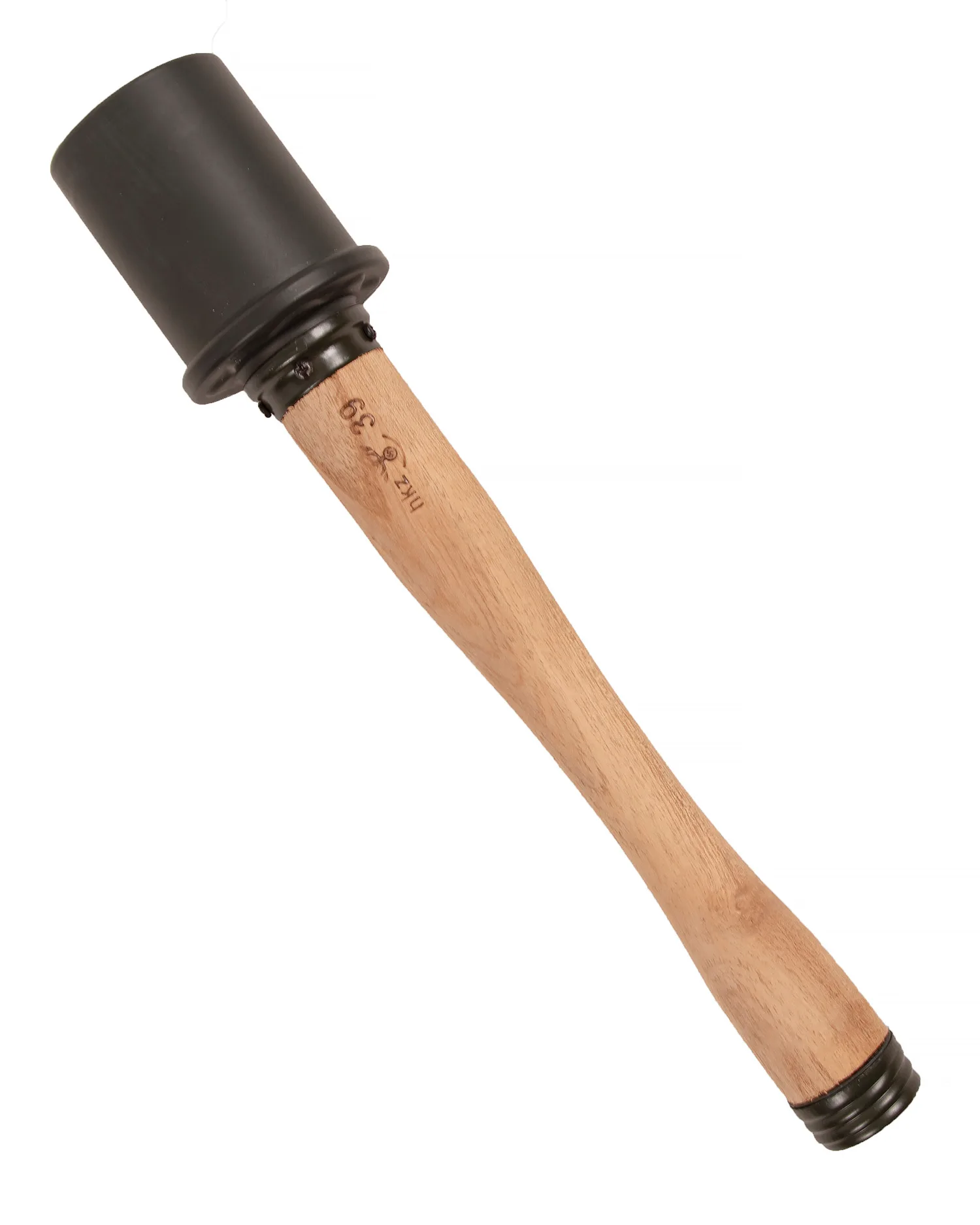
The M24 stick grenade is one of the most iconic pieces of WWII German field gear. For reenactors and collectors, a well-made replica can complete an impression without the legal and safety concerns of handling an original. But not all replicas are created equal—especially when it comes to the stenciled markings that give the grenade its historical character.
Whether you’re adding a https://wildernessworks.shop/products/replica-m24-stick-grenade-99360replica M24 stick grenade to your display or using it in a living history event, understanding the correct stenciling can help you choose a more authentic piece. This guide walks you through the key markings, paint details, and what to look for when evaluating a WWII German grenade replica.
Why Stenciled Markings Matter on a Replica M24 Stick Grenade
Original M24 grenades were mass-produced by multiple factories, and each manufacturer applied its own stenciled markings in white or light gray paint. These markings typically included a manufacturer code (like “jvd” or “dnh”), a two-letter batch code, and a production year. On a replica, the presence and accuracy of these stenciled grenade markings can separate a convincing prop from a toy-like piece.
Many lower-end replicas omit markings entirely or use oversized, poorly aligned stencils. A high-quality replica M24 stick grenade will feature crisp, period-correct stenciling that matches the scale and placement seen on originals. The paint should be slightly worn or matte—not glossy or overly bright—to mimic the field-worn appearance of a wartime grenade.
- Look for a manufacturer code and year (e.g., “jvd 43”) stenciled on the metal head.
- Avoid replicas with stencils that are too large or use a font that looks modern.
- Check that the wood handle has a natural, unfinished look—not a varnished or glossy coating.
Common Stencil Patterns and What They Mean
The most common stencil pattern on a WWII German grenade replica includes a three-letter manufacturer code followed by the last two digits of the production year. For example, “dnh 42” or “jvd 43.” Some grenades also had a small “WaA” (Waffenamt) acceptance stamp on the head, though this is less common on replicas. The stenciling is usually applied in a single line on the side of the cast-iron head.
Another variation includes a two-line stencil with the manufacturer code on top and the year below. These were used by certain factories later in the war. When evaluating a replica M24 stick grenade, compare the stencil to reference photos of original grenades from the same period. The spacing and alignment should look hand-stenciled, not perfectly machine-printed.
- Common factory codes: jvd (Hermann Huck), dnh (Richard Rinker), bqn (unknown), and cxo (Eisenwerke).
- Waffenamt stamps are rare on replicas—if present, verify they match known examples.
- The stencil color should be a flat white or light gray, not bright white or yellow.
Paint, Finish, and Overall Authenticity
Beyond stenciling, the paint finish on a replica M24 stick grenade plays a big role in its authenticity. Original grenade heads were painted in a dark gray-green (Feldgrau) or later in a dark tan (Dunkelgelb) for late-war production. The paint was matte and often showed chipping, scratches, and dirt from field handling. A good replica will replicate this worn look without appearing artificially distressed.
The wood handle should be bare, unfinished birch or beech, with a slight texture from the lathe. Some replicas add a clear coat or stain, which immediately looks wrong. The pull cord and porcelain bead should be present and correctly attached. A replica that gets these details right—including accurate stenciled grenade markings—will blend in seamlessly with other authentic reproduction gear like the M31 Rucksack or German Wallet, Brown.
- Avoid replicas with glossy paint or bright colors—they stand out too much in a display.
- The handle should have a natural wood grain and no varnish.
- Check that the pull cord is made of thick cotton or hemp, not synthetic string.
Where to Use Your Replica M24 Stick Grenade
A well-stenciled replica M24 stick grenade is a versatile piece for reenactors and collectors. It can be tucked into a belt, placed in a webbing pouch, or displayed alongside other field gear. For a complete impression, pair it with items like the Marine Khaki Shirt or a US Officer's Visor Cap for a cross-collection display. Just remember that even a replica should be handled with care—the metal head can chip paint if dropped.
If you’re building a German infantry impression, consider adding a few other small accessories to round out your kit. A correct stenciled grenade shows attention to detail that fellow reenactors and collectors will notice. And because replicas are widely available, you can focus on finding one with the best stenciling and finish rather than worrying about originality or safety.
- Use it in static displays or living history events where inert props are allowed.
- Store it away from direct sunlight to prevent paint fading.
- Pair with a JQMD WWII Garand Sling or other period-correct gear for a cohesive look.
Choosing a replica M24 stick grenade with accurate stenciled markings and a proper finish makes a real difference in your collection or impression. Focus on the stencil pattern, paint color, and handle finish to ensure your WWII German grenade replica looks the part. With the right details, your replica will stand out as a thoughtful addition to any WWII display.