Quick answer
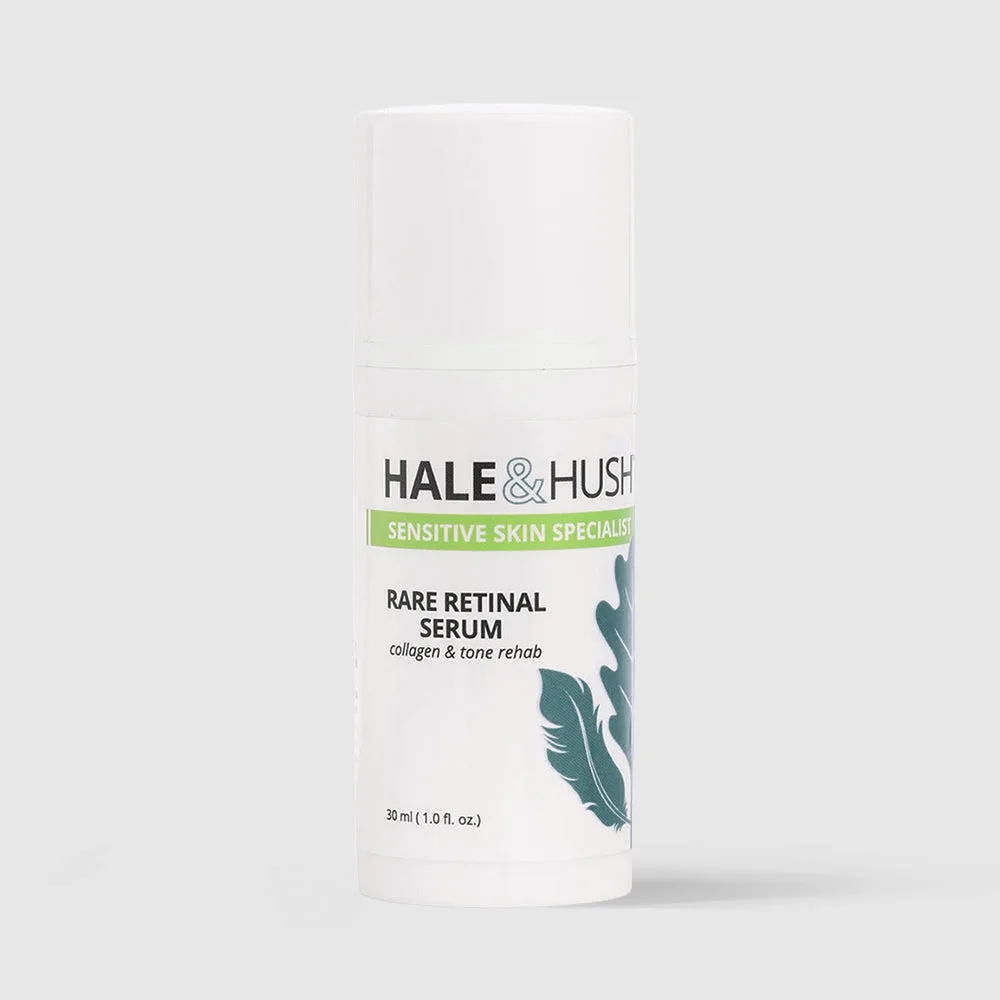
For sensitive skin, retinal serum is generally the better choice because it converts to retinoic acid in one step (vs. two for retinol), allowing a lower effective concentration and less irritation. Retinol is still effective but often requires a longer adjustment period and can cause more redness or peeling. If you have reactive or easily inflamed skin, a gentle retinal formula like Hale & Hush Rare Retinal Serum offers visible results with minimal side effects.
How retinal and retinol differ at the molecular level
Both retinal (retinaldehyde) and retinol are vitamin A derivatives that eventually convert to retinoic acid, the active form that speeds cell turnover. The key difference is conversion speed: retinal requires just one enzymatic step, while retinol needs two. This means retinal can work at a lower concentration to achieve similar results, which often translates to less irritation for sensitive skin.
Retinol has decades of research behind it and remains a reliable anti-aging ingredient. But its two-step conversion can make it slower-acting and more prone to causing dryness, flaking, or stinging in people with compromised skin barriers. Retinal, by contrast, is closer to prescription-strength in efficiency yet is typically formulated at lower percentages to keep it gentle.
What to look for in a sensitive-skin retinoid product
When shopping for a retinoid for reactive skin, check the base formula. A serum with calming ingredients—like niacinamide, ceramides, or soothing botanicals—can buffer potential irritation. Also consider the delivery system: encapsulated or time-release retinoids tend to be gentler. Finally, start with a lower strength (0.05% to 0.1% retinal or 0.25% to 0.5% retinol) and apply only two to three nights per week initially.
Avoid layering retinoids with other strong actives (AHAs, BHAs, benzoyl peroxide) on the same night. A simple routine of gentle cleanser, retinoid, and moisturizer gives your skin the best chance to adapt without backlash.
Trade-offs at a glance
- Retinal is gentler but less studied: Retinal's single-step conversion means you can use a lower concentration for comparable results, reducing irritation. However, retinol has a much larger body of long-term safety and efficacy research. If you have sensitive skin and want proven results with less irritation, retinal is the safer bet—just know the research base is smaller.
- Retinol is more affordable but slower to adapt: Retinol products are widely available at lower price points. The trade-off is a longer adjustment period (often 4–8 weeks) and a higher likelihood of initial redness or flaking, especially for sensitive skin types. Budget-conscious users with resilient skin may prefer retinol; those with reactive skin should expect a patience-heavy ramp-up.
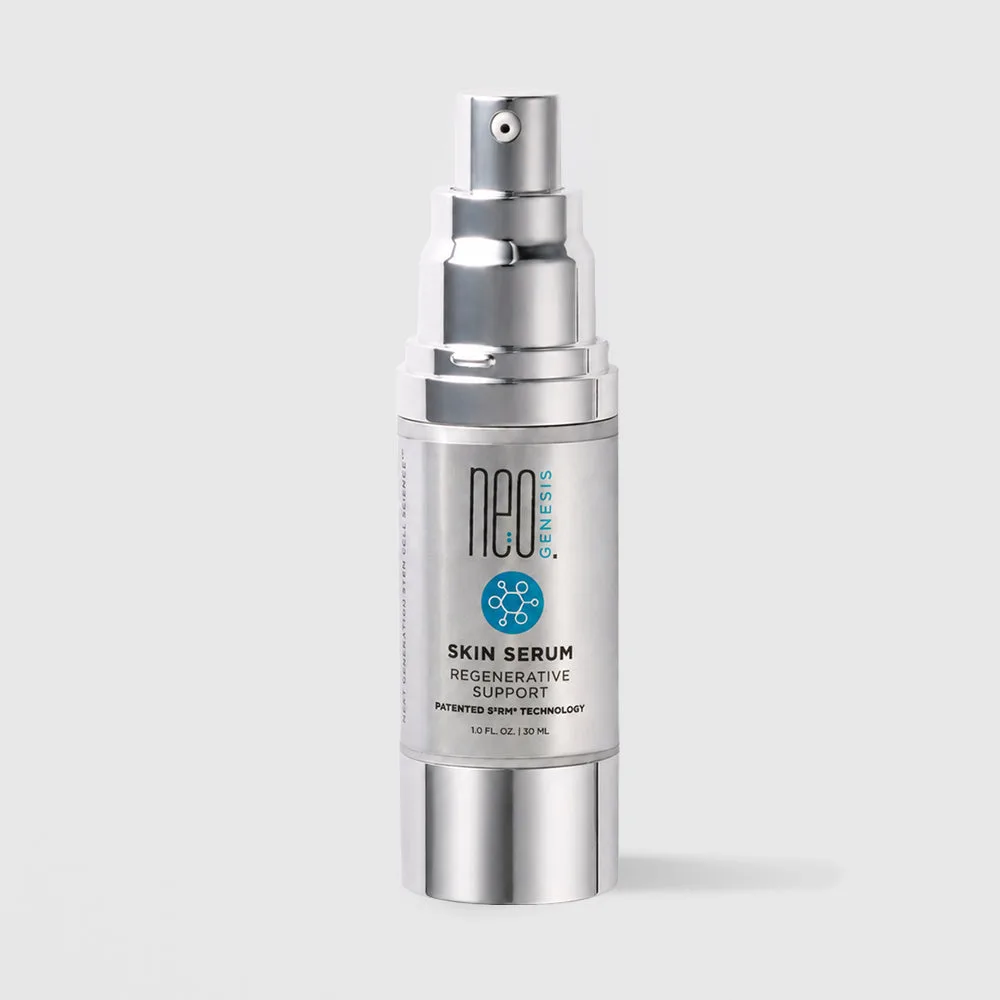
- Non-retinoid alternatives exist when neither works: Growth factor serums and peptide-based products can address fine lines and texture without any retinoid conversion. They lack the direct cell-turnover speed of retinoids but are virtually irritation-free. If even retinal causes stinging, consider a growth factor serum like NeoGenesis Skin Serum as a gentle alternative.
Product facts that matter for sensitive skin
- Hale & Hush Rare Retinal Serum: A gentle retinaldehyde serum that reduces fine lines, redness, and uneven texture without the irritation of traditional retinol. This directly addresses the main concern of sensitive-skin users: visible anti-aging results without the redness or peeling that often accompanies standard retinol. The retinaldehyde form works faster at a lower strength, making it a practical everyday option.
- NeoGenesis Skin Serum: A growth factor serum with stem cell technology that hydrates, softens fine lines, and speeds skin repair for all skin types. If your skin is too reactive even for retinal, a growth factor serum like this one can deliver similar smoothing and repair benefits without any retinoid conversion. It's a non-retinoid alternative that still targets fine lines and barrier health.
Which path fits your skin?
Best for sensitive skin
- Anyone with a history of retinol irritation who still wants visible anti-aging results
- Sensitive or reactive skin types looking for a faster-acting retinoid that minimizes redness and peeling
Not ideal for
- Those on a very tight budget, as retinal serums tend to cost more than basic retinol options
- Users who prefer a retinoid with the most extensive clinical history and variety of formulations