When it comes to anti-aging skincare, retinol has long been the gold standard for reducing fine lines, wrinkles, and uneven texture. However, its potent nature can cause irritation, redness, and peeling, especially for those with sensitive skin. Enter bakuchiol, a plant-based alternative derived from the seeds of the Psoralea corylifolia plant, which promises similar benefits without the harsh side effects. As the clean beauty movement grows, more consumers are asking: retinol vs bakuchiol—which is truly better for your skin?
In this article, we'll break down the science behind both ingredients, compare their efficacy, and help you decide which one fits your skincare goals. Whether you're a retinol veteran or a newcomer seeking a gentler option, understanding the differences is key to building an effective anti-aging routine.
What Is Retinol and How Does It Work?
Retinol is a form of vitamin A that belongs to the retinoid family. It works by accelerating skin cell turnover and stimulating collagen production, which helps fade fine lines, improve skin texture, and even out pigmentation. Over time, retinol can also unclog pores and reduce acne breakouts, making it a multi-tasking ingredient for aging and blemish-prone skin.
However, retinol is not without its drawbacks. It can cause dryness, flaking, and irritation—especially during the initial 'retinization' phase. Users often need to start with a low concentration and gradually build tolerance. Sun sensitivity is also a major concern, as retinol makes skin more vulnerable to UV damage, so daily SPF is non-negotiable.
- Tip: Start with a low-strength retinol (e.g., 0.25% or 0.3%) and apply it 2-3 times per week, then gradually increase frequency as your skin adjusts.
What Is Bakuchiol and Why Is It Gaining Popularity?
Bakuchiol is a natural, plant-derived compound that has been used in traditional Ayurvedic medicine for centuries. It works through similar pathways as retinol—upregulating collagen synthesis and promoting cell turnover—but without binding to retinoic acid receptors. This means it can deliver anti-aging benefits with significantly less irritation.
Studies have shown that bakuchiol can improve fine lines, hyperpigmentation, and firmness comparably to retinol, but with a much gentler profile. It is also antioxidant-rich and anti-inflammatory, making it suitable for sensitive, dry, or rosacea-prone skin. For those who cannot tolerate retinol, bakuchiol offers a viable alternative that can be used morning and night without the need for a 'purging' phase.
- Tip: Bakuchiol can be layered with other active ingredients like vitamin C or niacinamide, making it a flexible addition to any routine.
Retinol vs Bakuchiol: Side-by-Side Comparison
To help you decide, here's a quick comparison of retinol and bakuchiol across key factors: efficacy, irritation potential, stability, and compatibility with other ingredients. Both ingredients have their strengths, but your skin type and tolerance will ultimately determine the best choice.
- Efficacy: Retinol is slightly more potent for deep wrinkles and severe photoaging, while bakuchiol is excellent for maintenance and milder aging signs.
- Irritation: Retinol often causes dryness and redness; bakuchiol is virtually non-irritating.
- Stability: Retinol degrades with light and air; bakuchiol is more stable and easier to formulate.
- Sun sensitivity: Retinol increases sun sensitivity; bakuchiol does not, allowing for daytime use.
- Pregnancy safety: Retinol is contraindicated during pregnancy; bakuchiol is considered safe.
How to Incorporate Bakuchiol Into Your Routine
If you're ready to try bakuchiol, start by introducing it into your evening routine after cleansing and before moisturizing. Because it's gentle, you can use it daily from the start. For an extra boost, look for products that combine bakuchiol with other soothing ingredients like ceramides or hyaluronic acid.
For example, the HydraOat Soothing Daily Moisturiser is a great companion to bakuchiol-based serums, as it provides deep hydration without clogging pores. If you prefer a toner step, the HydraOat Calming Toner can prep your skin to better absorb active ingredients while calming any sensitivity.
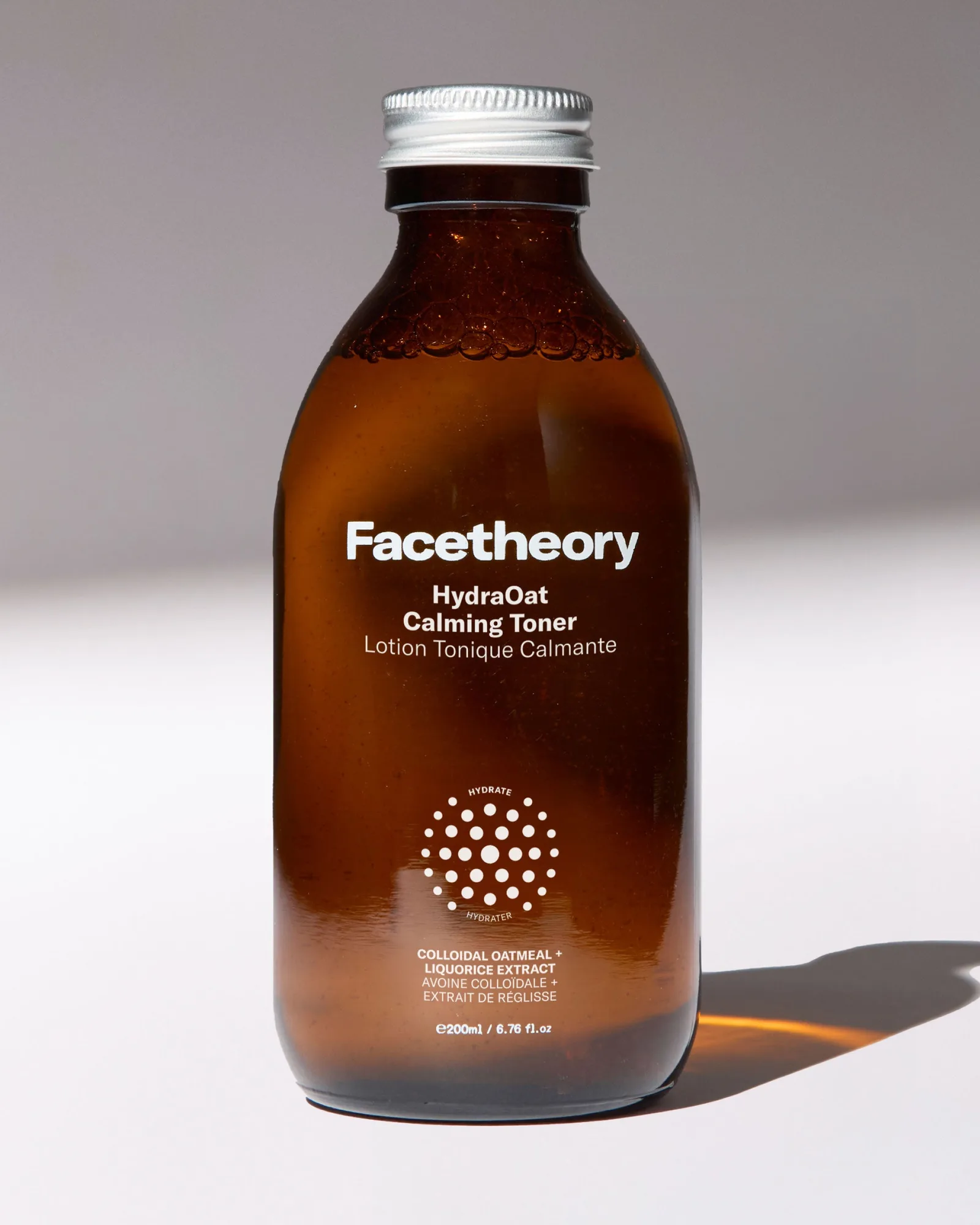
HydraOat Calming Toner
- Tip: Pair bakuchiol with a hydrating moisturizer to lock in moisture and enhance the skin barrier.
When to Choose Retinol Over Bakuchiol
Retinol remains the powerhouse for those seeking dramatic anti-aging results, especially for deep wrinkles, stubborn hyperpigmentation, or acne. If your skin can tolerate it, retinol is hard to beat. However, you don't have to choose one exclusively—many people use both in a 'retinol-bakuchiol sandwich' routine, applying bakuchiol on nights off from retinol to maintain results without irritation.
For a retinol-like experience with added skin barrier support, consider the Retinal Supreme MultiCream, which combines a gentle retinoid with moisturizing ingredients. Alternatively, if you prefer a lightweight oil-based treatment, the CeraNight Rejuvenating Night Oil delivers retinol-like benefits with a nourishing oil base that minimizes dryness.
- Tip: If you're new to retinol, start with a low-concentration product and apply it only after your skin is fully dry to reduce irritation.
Ultimately, the choice between retinol and bakuchiol comes down to your skin's needs and tolerance. For those seeking a potent, proven anti-aging ingredient and willing to manage potential irritation, retinol is a classic. But if you prefer a gentle, natural alternative that still delivers visible results, bakuchiol is an excellent option. Whichever you choose, consistency and sun protection are key. Explore our collection of bakuchiol and retinol-based products to find the perfect fit for your skin.