Reusable bags are a cornerstone of sustainable living. They help reduce the staggering amount of plastic waste that ends up in landfills and oceans. But to truly maximize their environmental benefits, you need to care for them properly. A well-maintained reusable bag can last for years, saving you money and reducing your carbon footprint. In this guide, we'll walk you through the best practices for washing and maintaining your reusable bags, from cotton totes to insulated lunch bags.
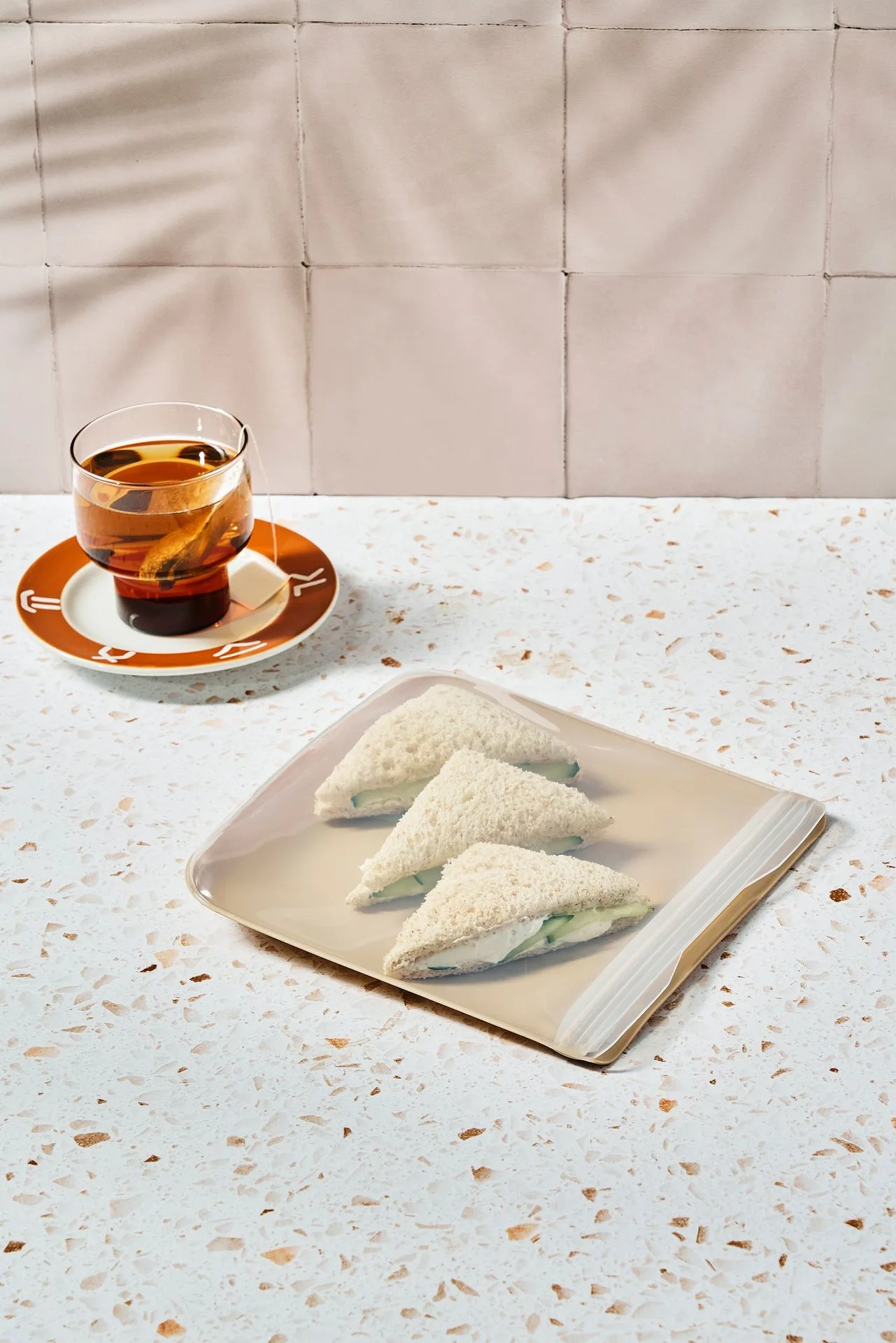
reusable bag
Whether you use your reusable bags for groceries, lunches, or everyday carry, they accumulate dirt, bacteria, and odors over time. Regular cleaning not only keeps them hygienic but also extends their lifespan. Let's dive into the essential steps for reusable bag care.
Why Reusable Bag Care Matters
Proper reusable bag maintenance is crucial for both hygiene and durability. Bags that are not cleaned regularly can harbor harmful bacteria like E. coli and Salmonella, especially if they've carried raw meat or produce. According to a study by the University of Arizona and Loma Linda University, reusable grocery bags can harbor bacteria if not washed regularly. While we don't have specific statistics, it's clear that regular washing is essential for food safety.
Moreover, well-maintained bags last longer, which means you'll need to replace them less frequently. This reduces the overall environmental impact of your shopping habits. By investing a little time in care, you ensure that your eco-friendly grocery bags remain functional and safe for years.
- Prevents bacterial growth and food contamination
- Extends the lifespan of your bags, reducing waste
- Keeps bags looking new and odor-free
How to Wash Different Types of Reusable Bags
Not all reusable bags are created equal. The washing method depends on the material. Here's a breakdown of common types:
Cotton and canvas bags: These are durable and can usually be machine-washed. Turn them inside out, wash in cold water with mild detergent, and air dry. Avoid high heat as it can shrink the fabric. For stubborn stains, pre-treat with a stain remover.
Polyester or nylon bags: These are often used for insulated lunch bags or lightweight grocery totes. They can be hand-washed or machine-washed on a gentle cycle. Use cold water and air dry. Always check the care label for specific instructions.
Insulated bags: These typically have a waterproof lining. Wipe the inside with a damp cloth and mild soap. For deeper cleaning, you can hand-wash with a soft sponge. Avoid submerging the entire bag in water to protect the insulation.
- Always check the care label before washing
- Use cold water to save energy and prevent shrinking
- Air dry to avoid damage from high heat
Step-by-Step Washing Guide for Everyday Reusable Bags
Here's a simple routine for keeping your reusable bags fresh and clean:
Start by emptying the bag and shaking out any crumbs or debris. Turn it inside out to expose the inner surfaces. For machine-washable bags, place them in a mesh laundry bag to prevent straps from tangling. Use a gentle cycle with cold water and a mild, eco-friendly detergent. Avoid bleach and fabric softeners as they can break down the fibers.
After washing, air dry the bags completely before storing them. This prevents mold and mildew. If you're in a hurry, you can tumble dry on low heat, but air drying is gentler and more energy-efficient.
- Use a mesh laundry bag for machine washing
- Air dry completely to prevent mildew
- Wash bags separately from heavy items to avoid damage
Maintenance Tips for Longevity
Beyond washing, there are several habits that can extend the life of your reusable bags. First, store them in a dry, cool place. Avoid leaving them in a hot car, as heat can degrade materials. Second, don't overload your bags beyond their weight capacity. This can strain seams and handles. Third, inspect your bags regularly for signs of wear and tear, such as fraying or holes, and repair them promptly if possible.
For insulated bags, like those used for lunches, consider using a liner or wipeable container inside to prevent spills from reaching the fabric. This reduces the need for frequent deep cleans. Additionally, designate specific bags for specific purposes—one for produce, one for meats, and one for non-food items—to minimize cross-contamination and make cleaning easier.
- Store bags in a cool, dry place
- Avoid overloading to prevent seam damage
- Use designated bags for different purposes to reduce contamination
Eco-Friendly Cleaning Solutions
To align with your sustainable lifestyle, opt for eco-friendly cleaning products. You can create a simple DIY cleaner using white vinegar and baking soda. For a quick wipe-down, mix equal parts water and vinegar in a spray bottle. For deeper cleaning, add a cup of baking soda to the wash cycle. These natural ingredients are effective and safe for the environment.
Additionally, washing your bags in cold water and air drying saves energy compared to hot water and machine drying. This reduces your carbon footprint even further, making your reusable bag care routine truly sustainable.
- Use vinegar and baking soda for natural cleaning
- Cold water washing saves energy
- Air drying is the most eco-friendly option
Taking care of your reusable bags doesn't have to be complicated. With a few simple habits, you can keep them clean, hygienic, and durable for years. By following these tips, you're not only extending the life of your bags but also reinforcing your commitment to a zero-waste lifestyle. Remember, every small step counts. Start implementing these practices today and enjoy the benefits of long-lasting, eco-friendly grocery bags.