If you’re trying to cut down on single-use plastic in your kitchen, you’ve probably wondered about reusable stand-up bags versus traditional Ziploc bags. Both serve the same purpose—storing food, snacks, and leftovers—but their environmental footprint, cost over time, and functionality differ significantly. In this comparison, we’ll break down the key factors so you can decide which option fits your sustainable lifestyle.
Traditional Ziploc bags have been a kitchen staple for decades, but their disposable nature contributes to the global plastic waste crisis. Reusable stand-up bags, like those offered by W&P, are designed to replace hundreds of single-use bags over their lifetime. Let’s dive into the details.
Cost Comparison: Upfront vs Long-Term
A box of traditional Ziploc bags costs around $3–$5 for 50–100 bags, making them seem cheap initially. However, if you use one bag per day for lunch or snacks, you’ll spend $20–$30 per year on disposable bags. Over five years, that adds up to $100–$150—money that goes straight into the trash.
Reusable stand-up bags have a higher upfront cost, typically $10–$20 per bag. But a well-made silicone or fabric bag can last for years. For example, W&P’s reusable stand-up bags are built to withstand daily use and washing. If you replace just 100 single-use bags per year, a single reusable bag pays for itself in a few months. Over five years, you’ll save money while reducing waste.
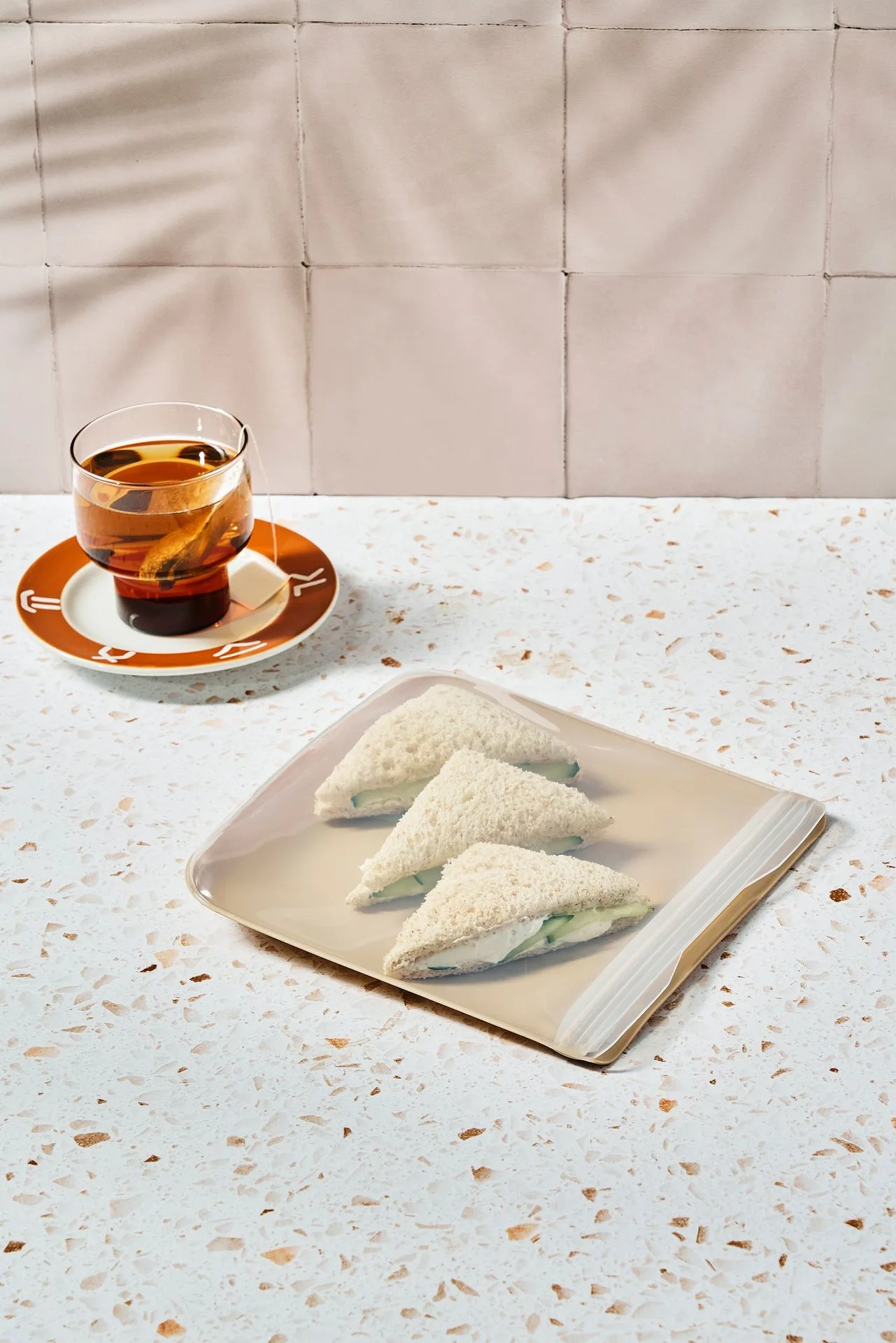
reusable bag
- Tip: Start with a few reusable bags for high-use items like snacks and sandwiches to maximize savings.
Environmental Impact: Plastic Waste and Carbon Footprint
The environmental toll of disposable Ziploc bags is staggering. In the U.S., billions of plastic sandwich bags are used each year, most ending up in landfills or oceans where they take centuries to decompose. Even if recycled, the process is energy-intensive and downcycles the plastic into lower-quality materials.
Reusable stand-up bags, especially those made from food-grade silicone or durable fabric, have a much lower lifetime environmental impact. A single reusable bag can replace hundreds of disposables. For instance, W&P’s reusable stand-up bags are designed for repeated use and are free from harmful chemicals like BPA. By switching, you reduce your household’s plastic waste significantly. The carbon footprint of producing one reusable bag is offset after just a few uses compared to disposables.
Durability and Functionality
Traditional Ziploc bags are thin and prone to tearing, especially when used for frozen items or sharp-edged foods. They also lose their seal after a few uses, leading to leaks and stale food. Their resealability is limited—once opened, the zipper often fails.
Reusable stand-up bags are built to last. They feature thick, puncture-resistant materials and sturdy seals that remain airtight for months or years. Many are microwave-safe, dishwasher-safe, and freezer-safe. W&P’s reusable stand-up bags, for example, stand upright for easy filling and storage, and their leakproof design works for liquids like soups and smoothies. They’re also easy to clean—just rinse or toss in the dishwasher.
Versatility and Convenience
Ziploc bags come in various sizes (snack, sandwich, quart, gallon) and are great for portioning. However, they don’t stand up on their own, which can be messy when filling. They also aren’t ideal for hot foods or liquids due to melting risks.
Reusable stand-up bags offer even more versatility. Their rigid base allows them to stand upright, making them perfect for soups, salads, and leftovers. They can handle hot foods (check temperature limits) and are often oven-safe up to certain temperatures. W&P’s reusable stand-up bags are designed for both hot and cold use, from marinating meats to storing frozen berries. Plus, they come in a variety of sizes to replace multiple disposable bag types.
- Tip: Use reusable stand-up bags for on-the-go snacks, freezer storage, and even sous vide cooking.
Health and Safety
Many disposable Ziploc bags are made from polyethylene, which is generally considered safe but can leach chemicals when exposed to heat or fatty foods. Reusable silicone bags are non-toxic, BPA-free, and food-grade, making them a safer choice for storing meals, especially for children.
W&P’s reusable stand-up bags are crafted from platinum silicone, a premium material that doesn’t contain fillers or harmful additives. They are also free from lead, phthalates, and latex. This makes them ideal for storing baby food, leftovers, and anything you want to keep pure.
Final Verdict: Which Should You Choose?
If you prioritize upfront cost and convenience of disposability, traditional Ziploc bags may still have a place in your kitchen for occasional use. But for everyday food storage, reusable stand-up bags are the clear winner in terms of cost savings, environmental impact, durability, and health safety.
Making the switch to reusable bags is one of the easiest zero-waste changes you can make. Start with a few high-quality options like W&P’s reusable stand-up bags, and you’ll quickly notice less plastic waste and more money in your pocket. Whether you’re packing lunch, storing leftovers, or prepping meals, these bags offer a sustainable alternative without sacrificing convenience.
Ready to ditch disposable bags? Explore W&P’s collection of reusable stand-up bags and other eco-friendly kitchen essentials to start your zero-waste journey today.