Choosing the right cleanser for sensitive skin can feel like walking a tightrope. You need something that removes dirt, oil, and makeup without stripping your moisture barrier or causing redness. Two popular options in the Korean skincare world are rice enzyme cleansing powders and foaming cleansers. Both promise a gentle cleanse, but they work in very different ways. In this article, we’ll break down the differences, benefits, and drawbacks of each, so you can decide which gentle cleanser is best for your sensitive skin.
Whether you’re new to Korean skincare or looking to refine your routine, understanding the nuances between these two types of cleansers is key. We’ll explore ingredients like rice enzymes and low-pH formulas, and highlight products from Gentle yet Effective Korean Skincare that can help you achieve a balanced, calm complexion.
What Is a Rice Enzyme Cleansing Powder?
Rice enzyme cleansing powders are a unique category of cleansers that use natural enzymes from rice to gently exfoliate and dissolve impurities. Unlike harsh physical scrubs, these powders are activated by water, turning into a creamy, milky lather that sloughs off dead skin cells without irritation. The enzymes, such as papain or bromelain, break down keratin proteins on the skin’s surface, making them ideal for sensitive skin that cannot tolerate abrasive particles or strong acids.
These powders are often formulated with soothing ingredients like rice bran, green tea, or centella asiatica to calm inflammation. They are typically low-pH, which helps maintain the skin’s acid mantle. For those with redness or rosacea, a rice enzyme cleanser can be a game-changer because it provides gentle exfoliation while hydrating. However, they may require a bit more effort to use—mixing the powder with water in your palm—but the results are worth it for a non-stripping cleanse.
- Look for powders with rice or oat enzymes for the gentlest exfoliation.
- Always mix with lukewarm water to avoid activating enzymes too quickly.
What Is a Foaming Cleanser?
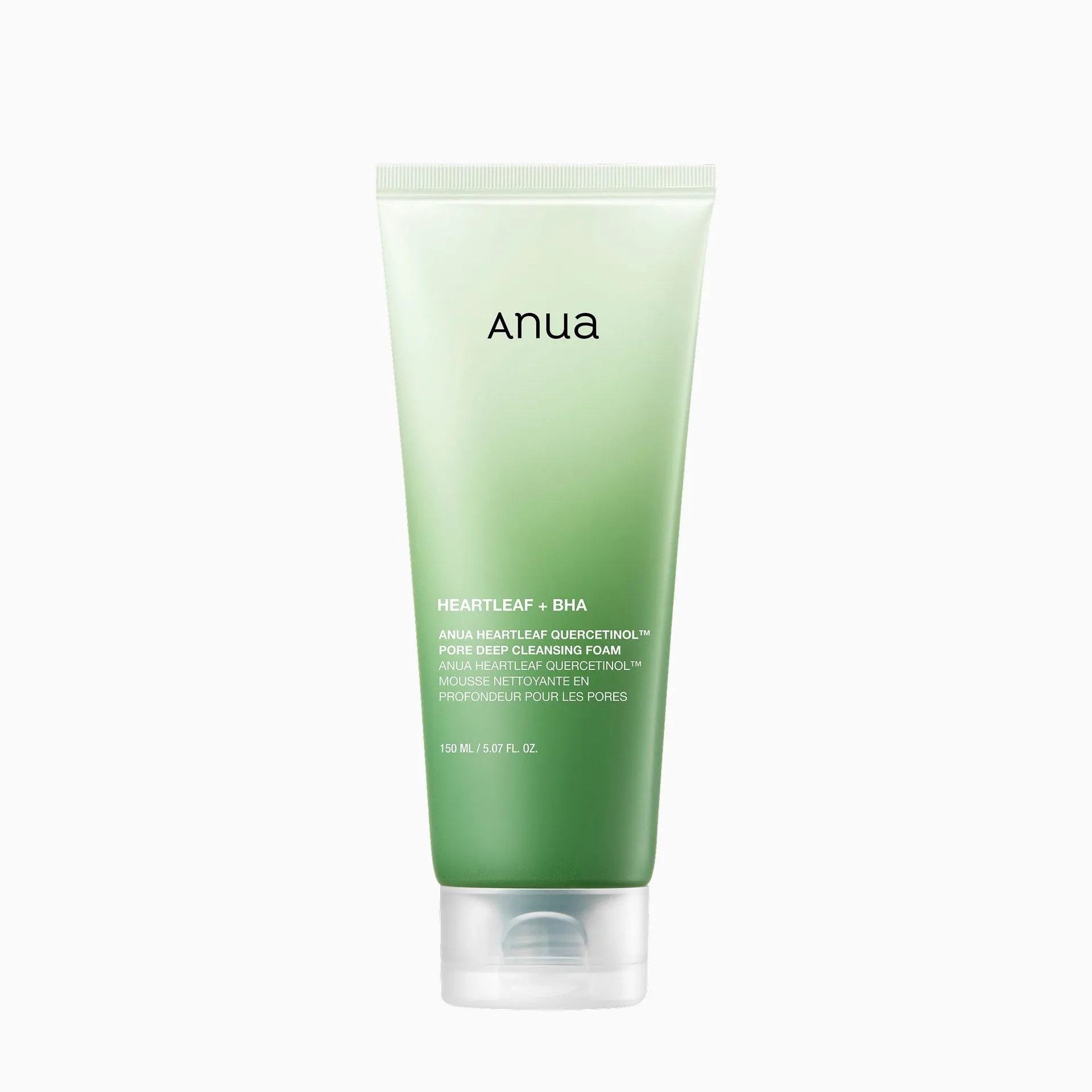
Foaming cleansers are a staple in many skincare routines, known for their ability to create a rich, airy lather that lifts away impurities. For sensitive skin, the key is to choose a low-pH foaming cleanser that won’t disrupt the skin barrier. Many traditional foaming cleansers use sulfates like SLS, which can be drying, but gentle formulations rely on amino acid-based surfactants (e.g., sodium cocoyl glycinate) to cleanse without stripping.
A well-formulated foaming cleanser can effectively remove excess oil, sunscreen, and light makeup while leaving the skin feeling refreshed. They are convenient and easy to use—just pump, lather, and rinse. However, some sensitive skin types find that even gentle foams can be too drying if used twice daily. That’s why it’s important to look for hydrating ingredients like glycerin, hyaluronic acid, or ceramides in the formula.
- Check the pH level; aim for 5.0–6.5 to support skin barrier health.
- Avoid foaming cleansers with alcohol or strong fragrances if you have reactive skin.
Key Differences: Rice Enzyme Powder vs Foaming Cleanser
The main difference lies in their cleansing mechanism. Rice enzyme powders use enzymatic exfoliation to dissolve dead skin and debris, while foaming cleansers rely on surfactants to emulsify and rinse away impurities. This means enzyme powders offer mild exfoliation with every wash, making them ideal for those who want to gently resurface their skin without using separate exfoliants. Foaming cleansers, on the other hand, are purely for cleansing and do not provide exfoliation unless they contain additional active ingredients.
Another difference is texture and user experience. Enzyme powders feel like a fine grit that dissolves into a creamy foam, while foaming cleansers start as a gel or cream and lather into bubbles. Sensitive skin often tolerates enzyme powders better because they are less likely to cause tightness or irritation. However, foaming cleansers can be more convenient for quick morning rinses. Ultimately, your choice depends on whether you want exfoliation built into your cleanse or prefer a separate exfoliating step.
- Enzyme powders are better for dull, textured skin; foaming cleansers suit normal to oily skin.
- Both can be gentle if formulated with soothing ingredients like heartleaf or centella.
How to Choose the Right Gentle Cleanser for Your Sensitive Skin
Start by assessing your skin’s current state. If your skin is red, irritated, or has a compromised barrier, a rice enzyme cleansing powder might be too stimulating if used daily. In that case, opt for a gentle foaming cleanser with calming ingredients like heartleaf or cica. For example, the https://purebeautytools.store/products/heartleaf-80-moisture-soothing-ampoule-51555Heartleaf 80% Moisture Soothing Ampoule is a great post-cleanse step, but pairing it with a low-pH foaming cleanser can create a soothing routine. On the other hand, if your skin is dry or flaky, a rice enzyme powder can gently smooth texture without over-exfoliating.
Consider your lifestyle too. Enzyme powders require a bit more time and water to activate, while foaming cleansers are ready to go. If you travel often, a powder might be more stable and spill-proof. For daily use, many sensitive skin lovers alternate between both: using a foaming cleanser in the morning and an enzyme powder in the evening. Whichever you choose, always follow up with a moisturizer to lock in hydration.
- For redness or rosacea, start with a foaming cleanser and introduce enzyme powder once a week.
- Patch test any new cleanser on your jawline before full-face use.
Top Korean Cleanser Recommendations for Sensitive Skin
At Gentle yet Effective Korean Skincare, we offer products that cater to both preferences. For those who love the convenience of a foaming cleanser, look for options with amino acid surfactants and soothing botanicals. Our Rice Nourishing Full Set for Dry Skin includes a gentle cleanser that hydrates while cleansing, making it perfect for sensitive, dry complexions. This set is designed to nourish and calm, with rice water and ceramides to reinforce the skin barrier.
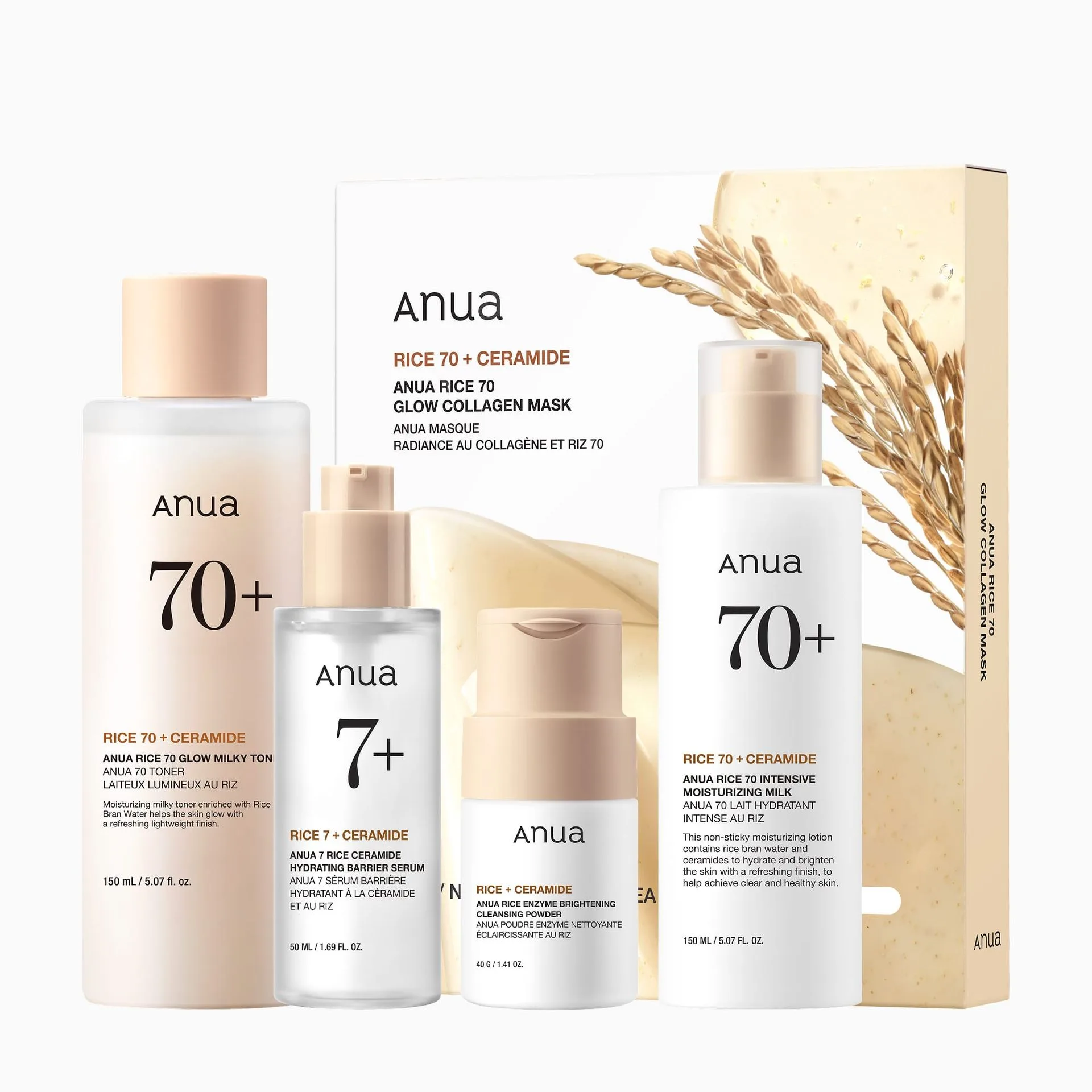
Rice Nourishing Full Set for Dry Skin
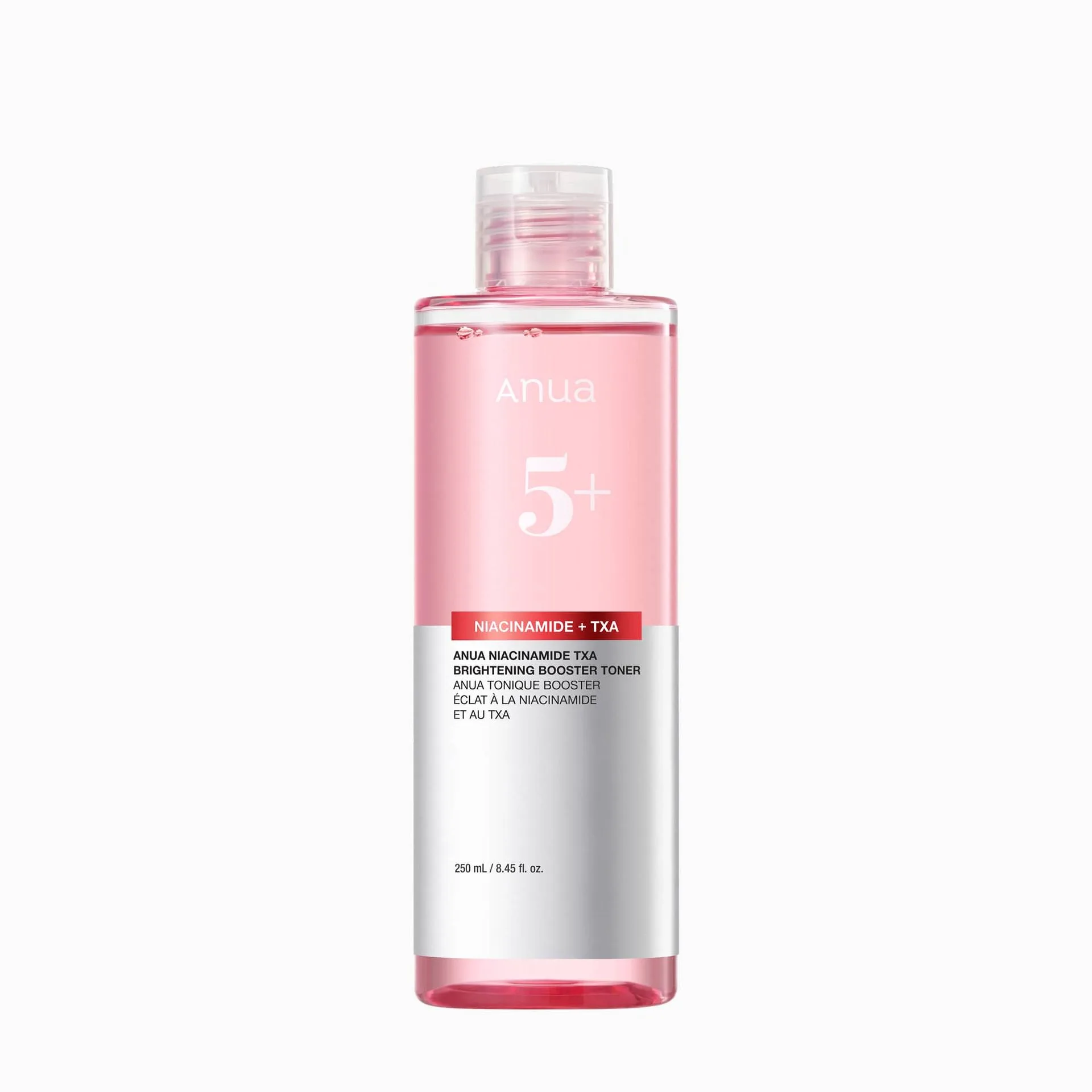
If you’re intrigued by enzyme powders, consider incorporating a product like the PDRN Deep Hydrating Prep & Boost Duo, which includes a hydrating toner and serum to use after cleansing. While this duo isn’t a cleanser itself, it pairs beautifully with a gentle enzyme powder to prep the skin for maximum absorption. For targeted concerns like hyperpigmentation, the Niacinamide 5 TXA Brightening Pad can be used after cleansing to gently exfoliate and brighten without irritation.
- Foaming cleanser fans: Look for low-pH, sulfate-free formulas with glycerin or ceramides.
- Enzyme powder fans: Choose powders with rice or oat enzymes and avoid fragrances.
Finding the perfect gentle cleanser for sensitive skin is all about understanding your skin’s needs and preferences. Both rice enzyme cleansing powders and foaming cleansers have their merits, and the best choice may even be to use both in rotation. If you’re ready to upgrade your cleansing routine, explore our collection of gentle Korean cleansers and start your journey to calmer, healthier skin today.