In a world increasingly dominated by mass production, a quiet revolution is taking place in our homes. Artisanal ceramics, with their imperfect edges, unique glazes, and palpable sense of craftsmanship, have become the centerpiece of modern interior design. From hand-thrown vases to sculptural bowls, these pieces bring warmth, authenticity, and a story to any room. But what is driving this surge in popularity, and how can you incorporate these treasures into your own decor?
The shift toward handmade decor is more than a fleeting trend; it reflects a deeper desire for connection and individuality. As consumers move away from disposable, cookie-cutter items, they are turning to pieces that celebrate the human touch. Artisanal ceramics offer a perfect balance of form and function, transforming everyday objects into works of art. Whether you are a seasoned collector or a curious newcomer, understanding the appeal of these pieces can help you curate a home that feels both personal and intentional.
The Allure of Imperfection: Why We Crave Handcrafted Ceramics
The beauty of artisanal ceramics lies in their imperfections. Unlike factory-made items, each hand-thrown piece carries subtle variations in shape, glaze, and texture. These quirks are not flaws but signatures of the maker, imbuing the object with a unique personality. In an age of digital perfection, this authenticity resonates deeply. A slightly off-center bowl or a drip of glaze that pools unexpectedly becomes a conversation starter, a reminder that something was made by human hands, not a machine.
Moreover, the tactile experience of ceramics cannot be replicated. Running your fingers over a matte, unglazed surface or feeling the weight of a stoneware mug connects you to the material in a way that plastic or glass never can. This sensory richness is part of why handmade decor feels so grounding. It invites you to slow down, to appreciate the process, and to find beauty in the imperfect. For many, this is a form of mindfulness in everyday life.
- Look for pieces with visible throwing lines or irregular rims to celebrate the handmade aesthetic.
- Mix matte and glossy finishes to create visual interest and highlight the unique glazes.
- Display a single statement ceramic on a shelf or mantel to let its texture and form shine.
How to Style Artisanal Ceramics in Your Home
Integrating artisanal ceramics into your home decor is about balance and intention. A single handcrafted vase can anchor a coffee table arrangement, while a set of mismatched bowls adds character to a dining table. The key is to let the pieces breathe. Avoid overcrowding; instead, group ceramics in odd numbers (three is a classic rule) for a naturally pleasing composition. Consider the scale of the room: a large, sculptural bowl can fill an empty corner, while smaller trinket dishes work well on a nightstand or entryway console.
For a cohesive look, choose ceramics that share a common color palette or glaze family, even if the forms differ. Earthy tones like clay, sand, and jade complement neutral interiors, while bold, vibrant glazes can serve as accents. Don't be afraid to mix ceramics with other natural materials like wood, linen, and stone. The contrast between a smooth ceramic surface and a rough wooden table creates a dynamic, layered aesthetic. A piece like the Flow Resin Structured Fruit Bowl in Dark Jade brings both utility and art to your kitchen or dining room, while the Enes Cotton Throw in Clay adds a soft, textural counterpoint in the living area.
- Use a large ceramic platter as a centerpiece on a dining table, filled with seasonal fruits or candles.
- Create a vignette on a bookshelf by stacking ceramic books or placing a small vase next to a stack of art books.
- Incorporate ceramic planters for indoor greenery; the natural tones of the clay complement the green leaves beautifully.
The Sustainability Angle: Why Handmade Is Good for the Planet
Beyond aesthetics, the rise of artisanal ceramics aligns with a growing commitment to sustainability. Mass-produced home goods often rely on energy-intensive processes, synthetic materials, and disposable packaging. In contrast, handmade ceramics are typically created using locally sourced clays, natural glazes, and traditional kiln-firing methods that have a lower carbon footprint. Many artisans prioritize eco-friendly practices, such as recycling clay scraps and using non-toxic finishes.
Furthermore, investing in quality handmade pieces encourages a 'buy less, choose well' mindset. A well-crafted ceramic bowl can last a lifetime, reducing the need for frequent replacements. This durability is a direct counter to the throwaway culture of fast furniture and decor. By choosing artisanal ceramics, you are not only supporting independent makers but also making a conscious choice for the planet. The Enes Crinkle Baby Blanket in Sand/Clay, while not ceramic, echoes this same philosophy of timeless, sustainable design that pairs beautifully with earthy ceramic accents.
- Research the maker's process: many small-batch potters use solar-powered kilns or rainwater for clay mixing.
- Opt for functional ceramics that you will use daily, such as mugs, bowls, or serving platters, to maximize their lifespan.
- When gifting, choose handcrafted ceramics over mass-produced items; they feel more personal and are often better for the environment.
Where to Start: Building Your Artisan Ceramic Collection
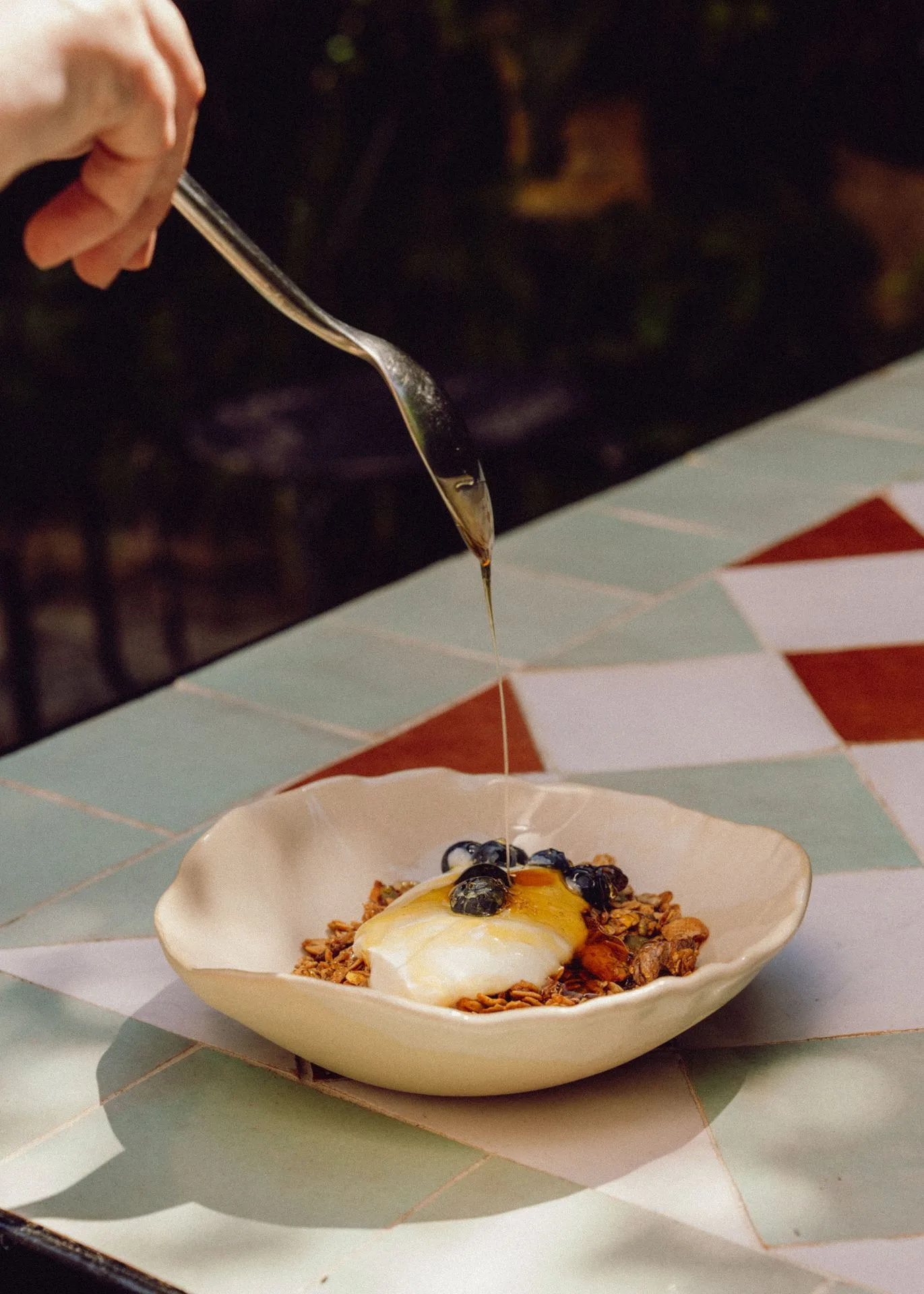
If you are new to artisanal ceramics, start small. A single handmade mug or a small trinket dish can introduce you to the world of pottery without overwhelming your space or budget. Visit local craft fairs, pottery studios, or online marketplaces that specialize in handmade goods. Pay attention to the finish: glossy glazes are easier to clean and work well for functional pieces, while matte or unglazed surfaces are more delicate but offer a raw, organic feel.
As your collection grows, consider pieces that serve multiple purposes. A large ceramic bowl can be used for salads, fruit, or as a decorative catchall. A hand-thrown vase can hold fresh flowers or dried branches, adapting to the seasons. The key is to choose pieces that resonate with you personally, whether it is the shape, the color, or the story behind the maker. Remember, the best collections are built slowly, with intention and joy.
- Begin with a versatile piece like a medium-sized bowl that can be used for serving or display.
- Mix and match ceramics from different artists to create an eclectic, curated look.
- Don't forget about ceramic kitchen tools: a handmade spoon rest or salt cellar adds charm to daily cooking.
Artisanal ceramics offer a beautiful way to infuse your home with character, sustainability, and a touch of the handmade. Whether you are drawn to the earthy tones of a Flow Resin Structured Fruit Bowl in Dark Jade or the cozy texture of an Enes Cotton Throw in Clay, these pieces invite you to celebrate craftsmanship every day. Start exploring our curated collection of artisan-inspired home goods and find the perfect piece to tell your story.