Walk down any beverage aisle today, and you’ll notice something has shifted. Alongside classic colas and lemon-lime fizzy drinks, a new category is claiming shelf space: functional sodas. These aren’t your childhood sodas loaded with sugar and artificial flavors. Instead, they’re crafted with ingredients that support gut health, boost immunity, and even reduce stress—all while delivering the crisp, satisfying carbonation you love.
The functional soda market is expected to grow by over 10% annually through 2030, driven by consumers who want their treats to do double duty. Whether you’re a wellness enthusiast or just curious about healthier alternatives, understanding this trend can help you make smarter choices. Let’s dive into what makes these sodas functional, the key ingredients to look for, and how brands like Poppi are leading the charge.
What Are Functional Sodas?
Functional sodas are carbonated beverages that contain added health-promoting ingredients beyond basic nutrition. Think probiotics, prebiotics, adaptogens, vitamins, or minerals. Unlike traditional sodas, which offer empty calories, functional sodas aim to provide tangible benefits—like improved digestion, enhanced energy, or better immune function. The key is that they still taste like a treat, making them an easy swap for anyone looking to reduce sugar without sacrificing flavor.
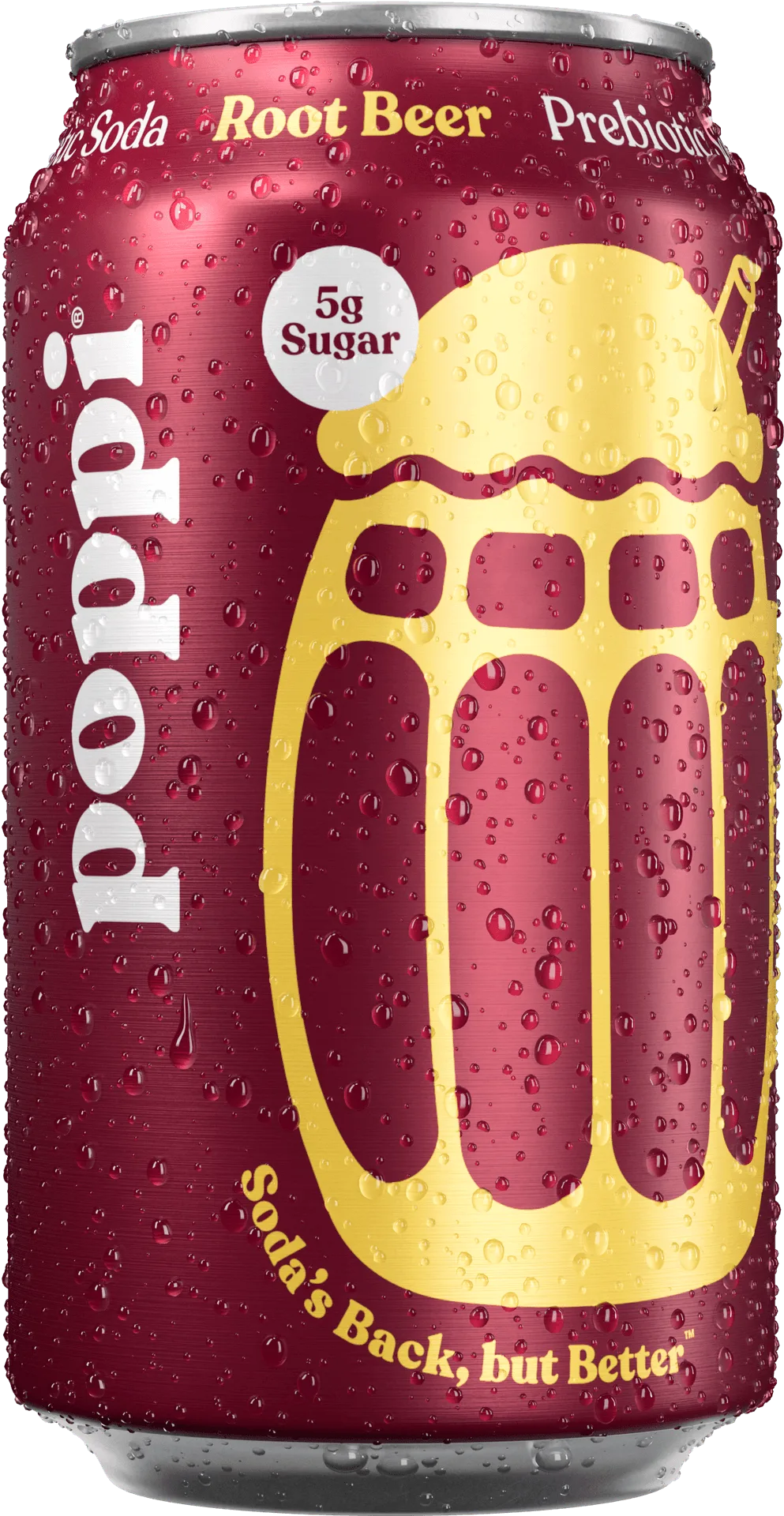
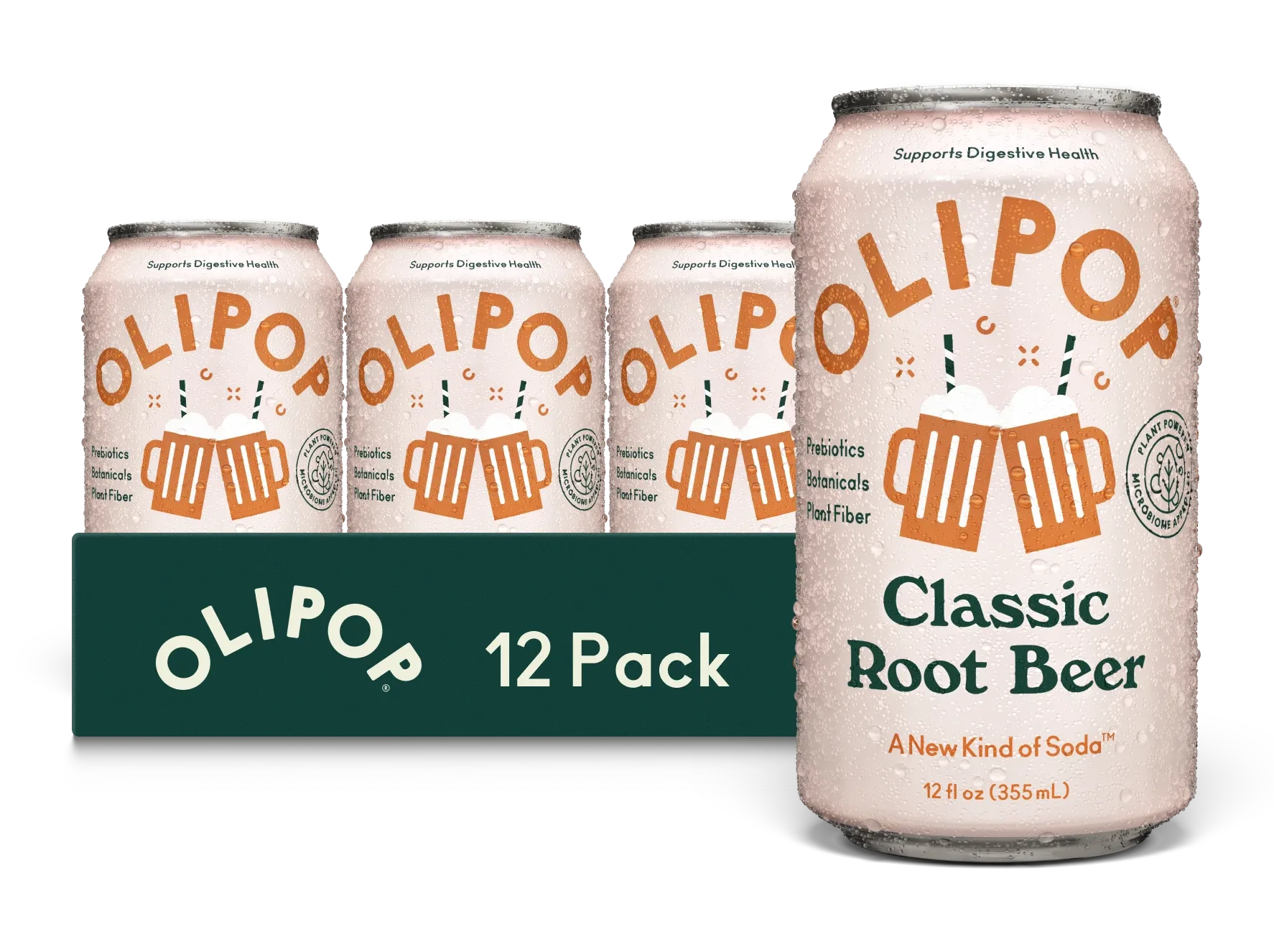
The category bridges the gap between soft drinks and wellness tonics. For example, a can of Root Beer might now include live probiotics, while a Lemonade could be fortified with vitamin C and zinc. This evolution reflects a broader consumer shift toward mindful indulgence—enjoying something delicious that also supports your health goals.
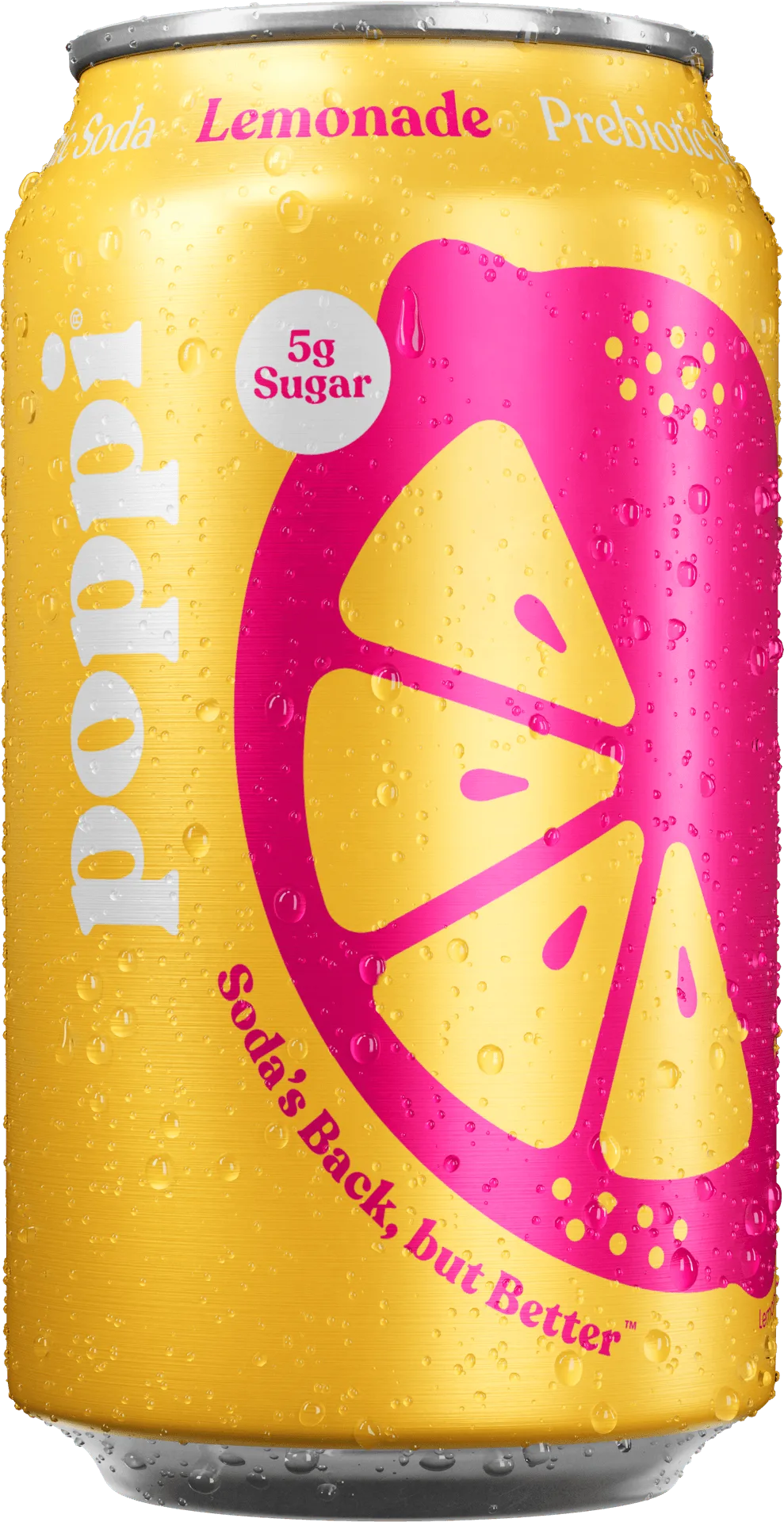
Lemonade
- Probiotics: live beneficial bacteria that support gut microbiome balance.
- Prebiotics: non-digestible fibers that feed good gut bacteria.
- Adaptogens: herbs like ashwagandha or rhodiola that help the body handle stress.
- Vitamins & minerals: added nutrients like B12, vitamin D, or zinc for targeted benefits.
Why Gut Health Is Driving the Trend
Gut health has become a mainstream wellness priority, and for good reason. Research shows that a healthy gut microbiome is linked to better digestion, stronger immunity, improved mood, and even clearer skin. As consumers learn more about the gut-brain axis, they’re seeking convenient ways to support their digestive system. Functional sodas offer an easy, enjoyable entry point—no need for pills or powders.
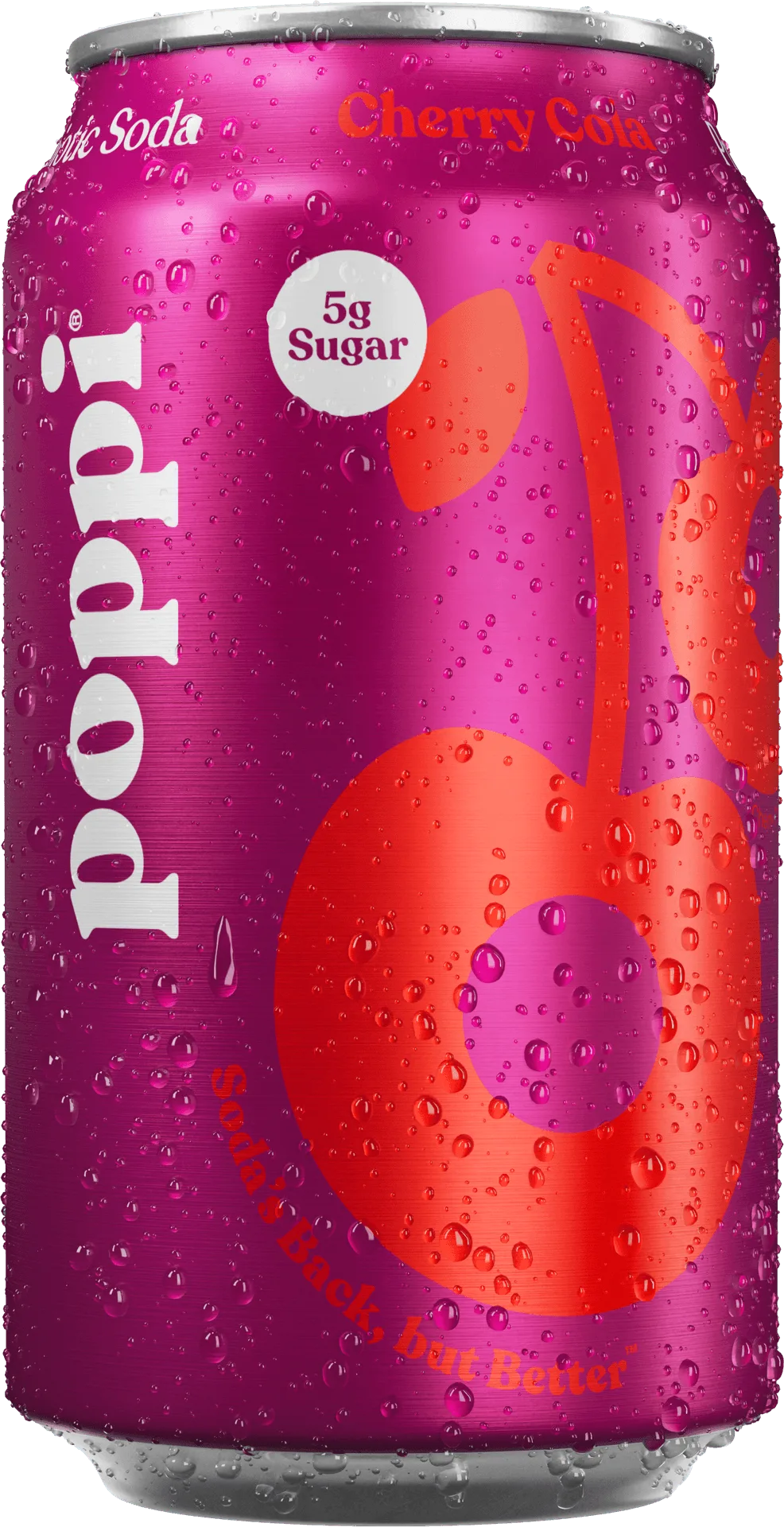
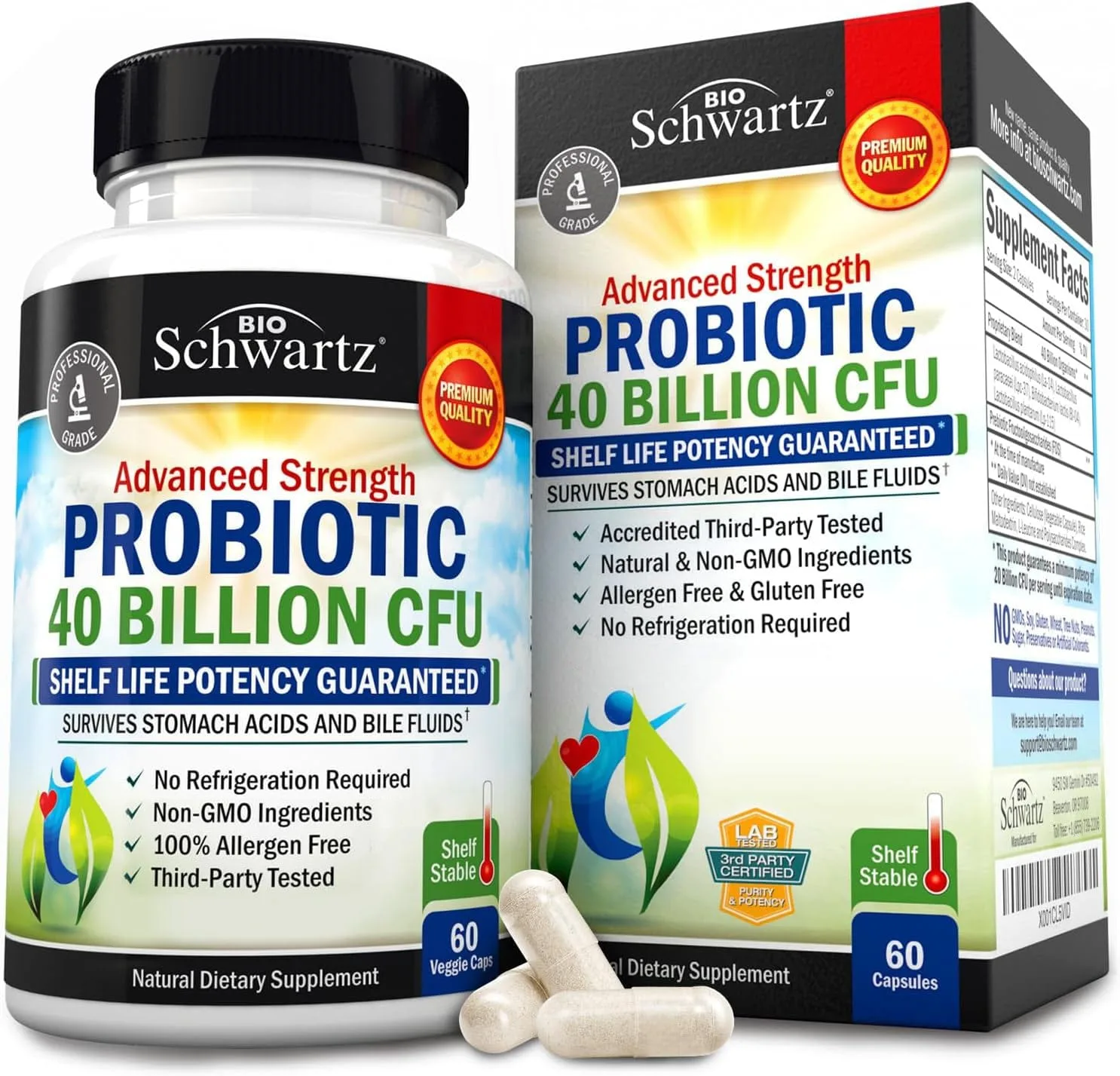
Probiotic sodas, in particular, have surged in popularity. Brands now use shelf-stable probiotic strains that survive the carbonation process, meaning you get live cultures in every sip. Prebiotic sodas, on the other hand, often use ingredients like chicory root fiber or inulin to feed your existing gut bacteria. For those new to the category, trying a flavor like Cherry Cola with added prebiotics can be a delicious first step.
- Look for sodas with at least 1 billion CFUs of probiotics per serving.
- Prebiotic sodas should list a fiber source (e.g., chicory root, Jerusalem artichoke).
- Avoid products with high added sugar—aim for under 5g per can for gut-friendly options.
Top Functional Soda Ingredients to Know
Not all functional sodas are created equal. The best ones use clean, recognizable ingredients without artificial sweeteners or preservatives. Here are some common functional add-ins you’ll see on labels: apple cider vinegar (for digestion and blood sugar balance), ginger (anti-inflammatory and nausea relief), turmeric (antioxidant and joint support), and green tea extract (gentle caffeine and metabolism boost).
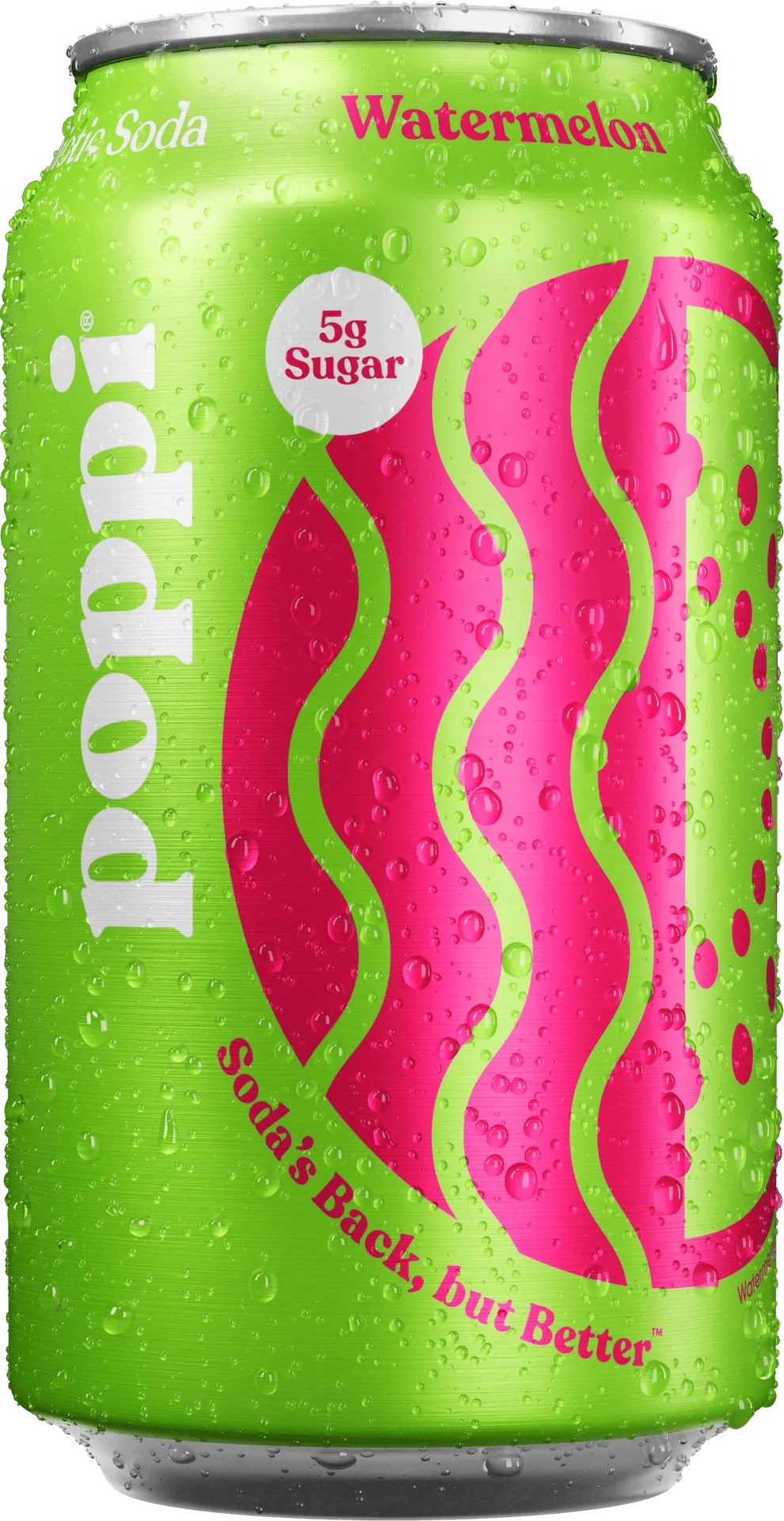
Many brands also incorporate fruit juices for natural sweetness and flavor. For instance, a Watermelon soda might include real watermelon puree plus a prebiotic fiber. Others use botanicals like elderflower or lavender for calming effects. When choosing a functional soda, read the label carefully—the healthiest options have a short ingredient list with items you recognize.
- Apple cider vinegar: supports digestion and may help stabilize blood sugar.
- Ginger: natural anti-inflammatory and digestive aid.
- Turmeric: antioxidant properties, often paired with black pepper for absorption.
- Green tea extract: provides a mild energy lift without jitters.
How to Incorporate Functional Sodas Into Your Routine
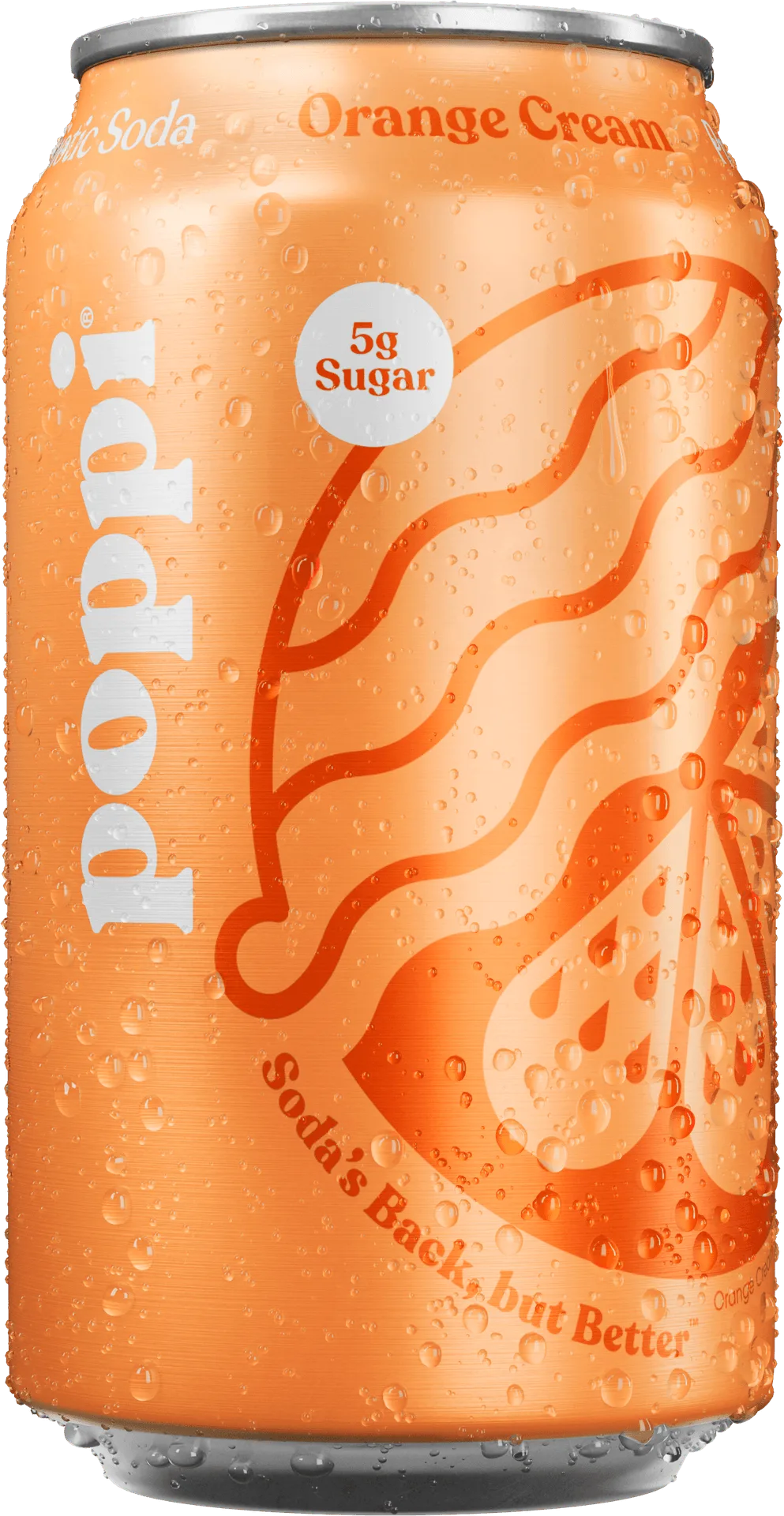
Swapping your daily soda for a functional version is the simplest way to start. Replace your afternoon cola with a probiotic Lemonade or a prebiotic Orange Cream. You can also use them as mixers in mocktails or cocktails—try a Ginger Lime soda with fresh mint for a refreshing alcohol-free spritzer. For a gut-healthy float, pour a functional Root Beer over vanilla ice cream and add a probiotic boost.
Many people also enjoy functional sodas post-workout for hydration and electrolyte replenishment. Some brands add electrolytes like potassium and magnesium, making them a smarter choice than sports drinks. And because they contain less sugar, they won’t spike your blood sugar—a win for sustained energy. Just remember to store them properly (most probiotic sodas need refrigeration) and check the label for storage instructions.
- Replace one sugary soda per day with a functional alternative.
- Use as a mixer in cocktails or mocktails for added health benefits.
- Pair with a meal containing healthy fats to slow sugar absorption.
What to Look for When Buying Functional Sodas
With so many options on the market, it pays to be a savvy shopper. First, check the sugar content—ideally under 5 grams per serving. Next, verify the functional ingredient dosage. For probiotics, look for a specific strain name (e.g., Bacillus coagulans) and a CFU count. For prebiotics, ensure the fiber source is listed and that the product provides at least 3 grams of fiber per can.
Flavor is equally important. A functional soda should taste great on its own—no one wants to choke down a health drink that tastes like medicine. Brands like Poppi offer a wide range of flavors that balance wellness with deliciousness. For example, their Bombshells variety pack lets you sample multiple flavors, from zesty Lemon Lime to sweet Watermelon, so you can find your favorite without committing to a full case.
- Sugar: aim for under 5g per can to keep it truly functional.
- Probiotic CFU count: at least 1 billion per serving for efficacy.
- Prebiotic fiber: look for 3g+ per serving from natural sources.
- No artificial sweeteners: choose sodas sweetened with stevia, monk fruit, or fruit juice.
The Future of Functional Sodas: Trends to Watch
As the functional beverage market matures, expect even more innovation. Personalized sodas—where you can customize the functional ingredients based on your DNA or gut microbiome—are on the horizon. We’ll also see more hybrid products that combine probiotics with adaptogens, or prebiotics with nootropics for cognitive support. Sustainability will play a bigger role too, with brands using upcycled ingredients and eco-friendly packaging.
Another exciting development is the rise of functional sodas designed for specific occasions. Morning sodas with caffeine and B vitamins, evening sodas with melatonin and chamomile, and post-workout sodas with electrolytes and protein are already appearing. The category is becoming as nuanced as coffee or tea. For now, the best way to stay ahead is to explore and find what works for your body—starting with a flavorful can of Cherry Cola or a crisp Lemonade.
- Personalized functional sodas based on individual health data.
- Hybrid products combining probiotics, adaptogens, and nootropics.
- Occasion-specific sodas (morning, evening, post-workout).
- Sustainable packaging and upcycled ingredients as brand differentiators.
Functional sodas are more than a passing fad—they represent a genuine shift in how we think about refreshment. By combining great taste with real health benefits, they make wellness accessible and enjoyable. Whether you’re new to the concept or a seasoned fan, there’s never been a better time to explore. Start your journey with a can of Root Beer and experience the difference a functional soda can make.