The frozen food aisle has long been a battleground for convenience versus nutrition. For decades, shoppers faced a stark choice: grab a quick, often carb-heavy frozen pizza for dinner, or spend time preparing a healthier meal from scratch. But a quiet revolution is underway. High-protein pizza is emerging as a game-changing category, blending the comfort of a classic frozen pie with the nutritional benefits that health-conscious consumers crave. This shift is not just a fad—it's a fundamental rethinking of what frozen food can be. In this article, we’ll explore the forces driving the rise of high-protein pizza, how it’s reshaping the frozen food aisle, and what this means for your next grocery run.
What Is High-Protein Pizza?
High-protein pizza typically features a crust made from alternative flours—such as almond flour, chickpea flour, or whey protein isolate—combined with egg whites or other binders to boost protein content while reducing net carbs. The toppings are also carefully chosen: lean meats like turkey pepperoni or grilled chicken, reduced-fat cheeses, and sometimes even protein-enriched sauces. The result is a pizza that can deliver 20 to 30 grams of protein per serving, compared to the 10–12 grams found in traditional frozen pizzas. For anyone tracking macros or simply looking to stay full longer, this is a meaningful upgrade.
Why High-Protein Pizza Is Taking Over the Frozen Food Aisle
Changing Consumer Priorities
Today’s shoppers are more label-savvy than ever. They scan for protein content, added sugars, and ingredient lists that sound like real food. The pandemic-era focus on health and home cooking has evolved into a sustained demand for convenient, nutrient-dense meals. High-protein pizza hits a sweet spot: it’s familiar enough to satisfy a family dinner, yet modern enough to fit a keto, paleo, or balanced macro diet. According to recent market research, the global frozen pizza market is projected to grow steadily, with the protein-rich segment outpacing traditional varieties.
Innovation in Crust Technology
One of the biggest hurdles for high-protein pizza has been texture. Early attempts often resulted in dense, dry, or crumbly crusts. But advances in food science—particularly the use of resistant starches, soluble fibers, and optimized protein blends—have led to crusts that are crispy on the outside, chewy on the inside, and satisfyingly pizza-like. Brands are also experimenting with cauliflower-based crusts that incorporate whey or plant protein, pushing the boundaries of what a frozen pizza can be.
Alignment with Broader Protein Trends
High-protein pizza is part of a larger wave of protein-packed innovations across frozen foods. From protein waffles to high-protein mac and cheese, consumers are demanding more from every meal. This trend is especially strong among younger demographics, including Gen Z and millennials, who prioritize protein for muscle maintenance, weight management, and sustained energy. Frozen pizza, once a guilty pleasure, is being rebranded as a legitimate source of fuel.
How Quest Nutrition Is Redefining High-Protein Pizza
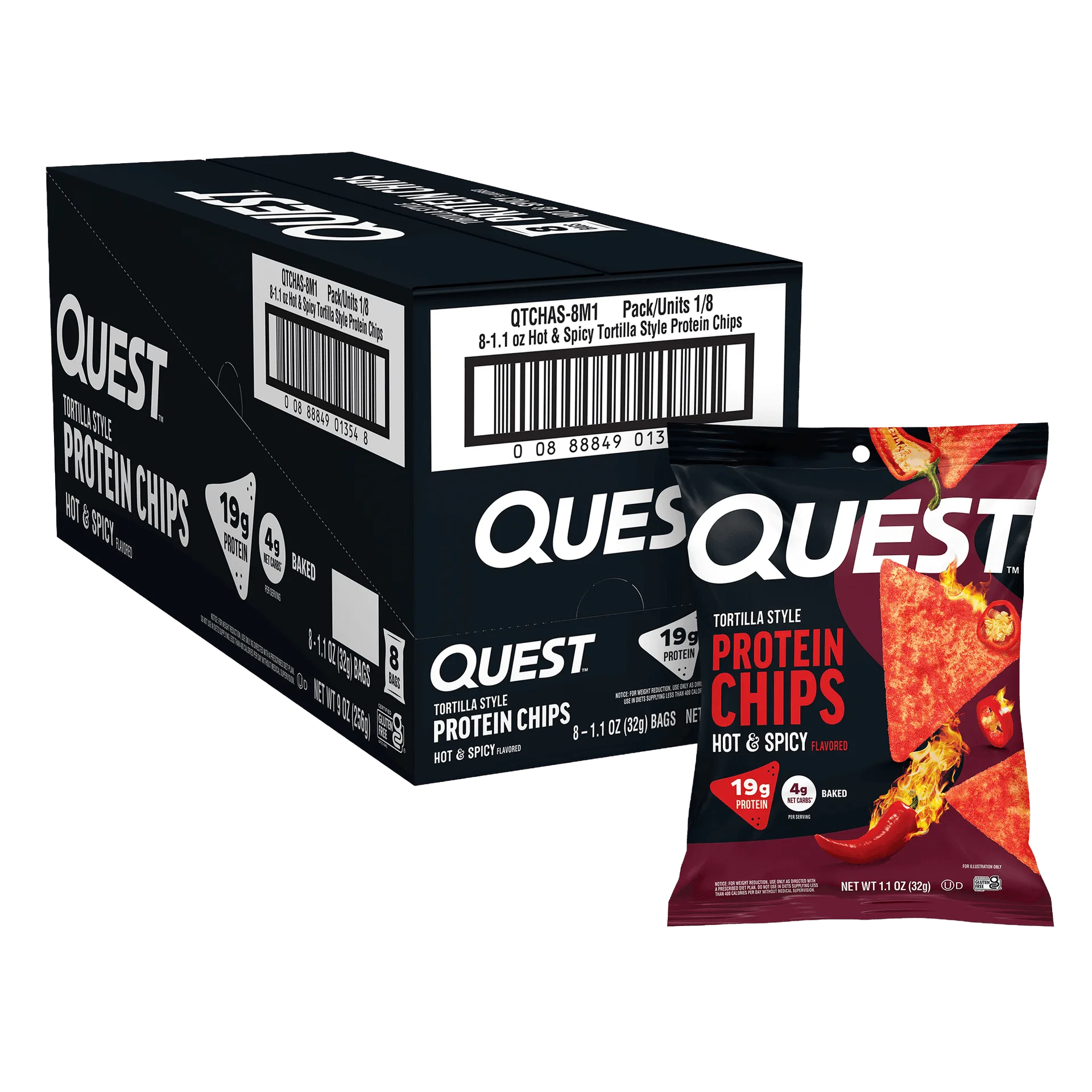
Quest Nutrition has been a pioneer in the high-protein space for years, best known for its Strawberry Shortcake Protein Bar and other beloved snacks. But the brand’s foray into frozen pizza with the Pizza Tortilla Style Protein Chips line signals a broader ambition. While Quest’s chips offer a crispy, pizza-flavored snack, the company’s innovation in pizza-adjacent products highlights how versatile protein can be. Imagine a future where the same protein technology used in bars and chips is applied to a full-size frozen pizza—crispy crust, premium toppings, and 25 grams of protein per serving. That’s not a distant dream; it’s the direction the entire category is heading.
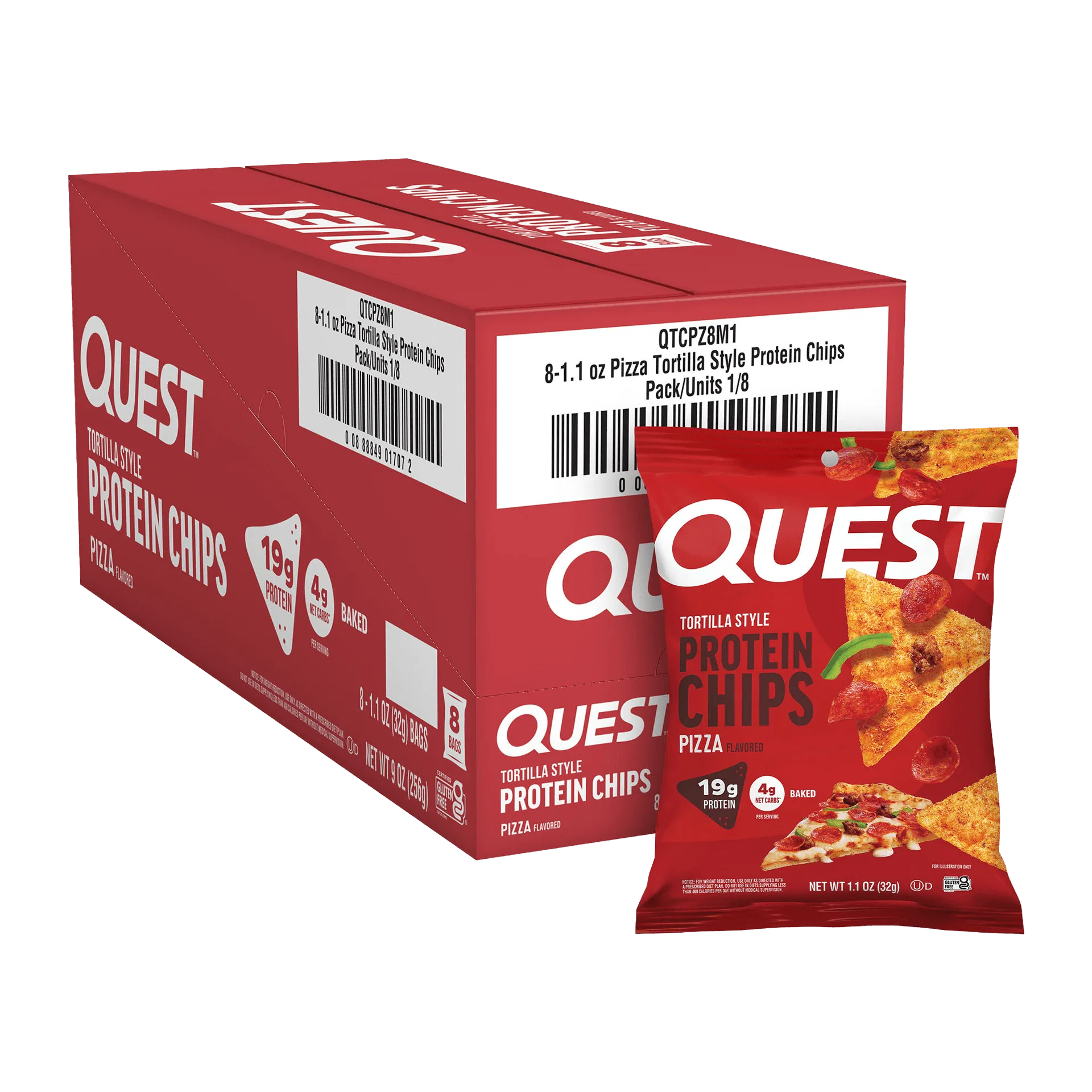
Pizza Tortilla Style Protein Chips
The Nutritional Edge: More Protein, Fewer Compromises
Traditional frozen pizza often leaves you hungry an hour later, thanks to its high refined-carb and low-protein profile. High-protein pizza, on the other hand, promotes satiety through its amino acid profile. Protein takes longer to digest, stabilizes blood sugar, and supports muscle protein synthesis—especially important post-workout or as a recovery meal. For athletes and active individuals, swapping a standard frozen pizza for a protein-rich version can make a real difference in performance and recovery.
Comparison: Traditional vs. High-Protein Frozen Pizza
Aspect
Traditional Frozen Pizza
High-Protein Frozen Pizza
Protein (per serving)
10–12 g
20–30 g
Net Carbs (per serving)
30–40 g
15–25 g
Fiber
1–2 g
5–8 g
Added Sugars
3–6 g
0–2 g
Satiety Score
Low
High
Price Point
$5–$8
$7–$12
While the price is slightly higher, the nutritional value per dollar is significantly better—especially for those who prioritize protein.
Innovative Ingredients and Flavors on the Horizon
High-protein pizza is also becoming a canvas for culinary creativity. Beyond pepperoni and cheese, expect to see flavors like buffalo chicken, Mediterranean veggie with feta, and even dessert-style protein pizzas with chocolate drizzle. Brands are partnering with ingredient suppliers to develop custom protein blends that enhance texture without compromising taste. The use of enzyme-modified cheeses and fermented crusts is also gaining traction, offering deeper flavor profiles that mimic artisanal pizzeria quality.
What This Means for the Frozen Food Aisle
The rise of high-protein pizza is forcing retailers to rethink shelf placement and marketing. No longer relegated to the “health food” ghetto, these pizzas are appearing alongside traditional brands, often with bold packaging that emphasizes protein grams. This visibility is crucial for normalizing high-protein options and attracting mainstream shoppers. In response, legacy frozen pizza brands are reformulating recipes, adding protein blends to their crusts, or launching sub-brands focused on nutrition. The competitive landscape is heating up, which is great news for consumers.
How to Choose the Best High-Protein Pizza
When shopping for high-protein frozen pizza, look for these key markers:
- Protein content: Aim for at least 20g per serving. Check the serving size—some pizzas list half a pie as one serving.
- Crust ingredients: Prefer almond flour, chickpea flour, or a blend with whey or pea protein. Avoid crusts that rely heavily on refined wheat flour.
- Fiber and sugar: Higher fiber (4g+) and low added sugar (under 3g) indicate a better nutritional profile.
- Toppings: Look for real cheese, high-quality meats, and vegetable toppings without artificial preservatives.
- Brand reputation: Choose brands with a track record in protein innovation, like Quest Nutrition, whose Vanilla Milkshake Protein Powder and other products have set the standard for taste and nutrition.
The Future of High-Protein Pizza
As consumer demand for protein-packed, convenient meals continues to grow, high-protein pizza is poised to become a staple in the frozen food aisle. Innovations in crust technology, flavor variety, and ingredient sourcing will only accelerate. For brands, the challenge is to maintain affordability while delivering on taste and texture. For shoppers, the opportunity is to enjoy a beloved comfort food without the nutritional compromise. The next time you’re in the frozen food section, take a closer look—you might just find your new favorite dinner.
Embrace the Protein Pizza Revolution
High-protein pizza is more than a trend; it’s a reflection of how frozen food is evolving to meet modern nutritional needs. Whether you’re an athlete, a busy parent, or simply someone who loves pizza and wants to eat better, there’s never been a better time to explore this category. Start your journey with a brand that understands protein innovation—check out the Pizza Tortilla Style Protein Chips for a crispy, pizza-flavored snack that delivers 18 grams of protein per serving. It’s the perfect way to satisfy your pizza cravings while staying on track with your goals.