Over-the-counter (OTC) skincare and treatment products have come a long way from simple creams and lotions. Today, cutting-edge innovations like liposomal technology are transforming how active ingredients penetrate the skin, offering deeper delivery, enhanced efficacy, and longer-lasting results. This rise of liposomal technology in OTC treatments marks a significant shift in the beauty and wellness industry, promising more effective solutions for common concerns like fungal infections, pain relief, and skin rejuvenation.
In this article, we explore the science behind liposomal technology, its advantages over traditional formulations, and how it is being applied in popular OTC products. Whether you are dealing with stubborn toenail fungus, muscle aches, or dull skin, understanding this advanced drug delivery system can help you make smarter choices for your health and beauty routine.
What Is Liposomal Technology?
Liposomal technology involves encapsulating active ingredients in tiny lipid (fat) bubbles called liposomes. These liposomes are biocompatible, meaning they mimic the natural structure of cell membranes, allowing them to fuse with skin cells and release their payload directly into deeper layers. This targeted delivery system bypasses the skin's natural barrier, ensuring that ingredients like antifungals, anesthetics, or vitamins reach where they are needed most.
Unlike conventional creams that sit on the surface, liposomal formulations improve bioavailability—the amount of active ingredient that actually gets absorbed. This means you can use lower concentrations of potent substances while achieving better results, reducing the risk of irritation. For OTC products, this is a game-changer, as it allows for more effective self-care without a prescription.
- Liposomes protect sensitive ingredients from degradation, extending shelf life and potency.
- They can be engineered to release ingredients slowly, providing sustained relief over hours.
Why Liposomal Technology Is Gaining Popularity in OTC Treatments
Consumers today demand products that work faster and more efficiently. Liposomal technology meets this demand by enhancing the performance of familiar ingredients. For example, antifungal treatments for toenail fungus often struggle to penetrate the thick nail plate. A liposomal formula can deliver the active agent deeper into the nail bed, improving outcomes. Similarly, numbing creams used before cosmetic procedures can provide quicker, more profound pain relief with a liposomal base.
Another driver is the clean beauty movement. Liposomes are made from phospholipids—natural components of cell membranes—making them attractive to ingredient-conscious shoppers. Brands are also using liposomal encapsulation to combine multiple actives in one product without them interfering with each other, leading to multifunctional treatments that simplify routines.
- Liposomal formulations are often free from harsh solvents or penetration enhancers, appealing to sensitive skin users.
- The technology is being adopted across categories: antifungals, pain relief, anti-aging, and acne treatments.
Real-World Applications: Liposomal OTC Products You Should Know
One standout example is the Liposomal Fungus Master Antifungal Treatment. This product leverages liposomal delivery to target stubborn fungal infections on nails and skin. By encapsulating the antifungal agent in liposomes, it penetrates the nail plate more effectively than standard creams, offering a convenient OTC solution for a condition that often requires long-term treatment.
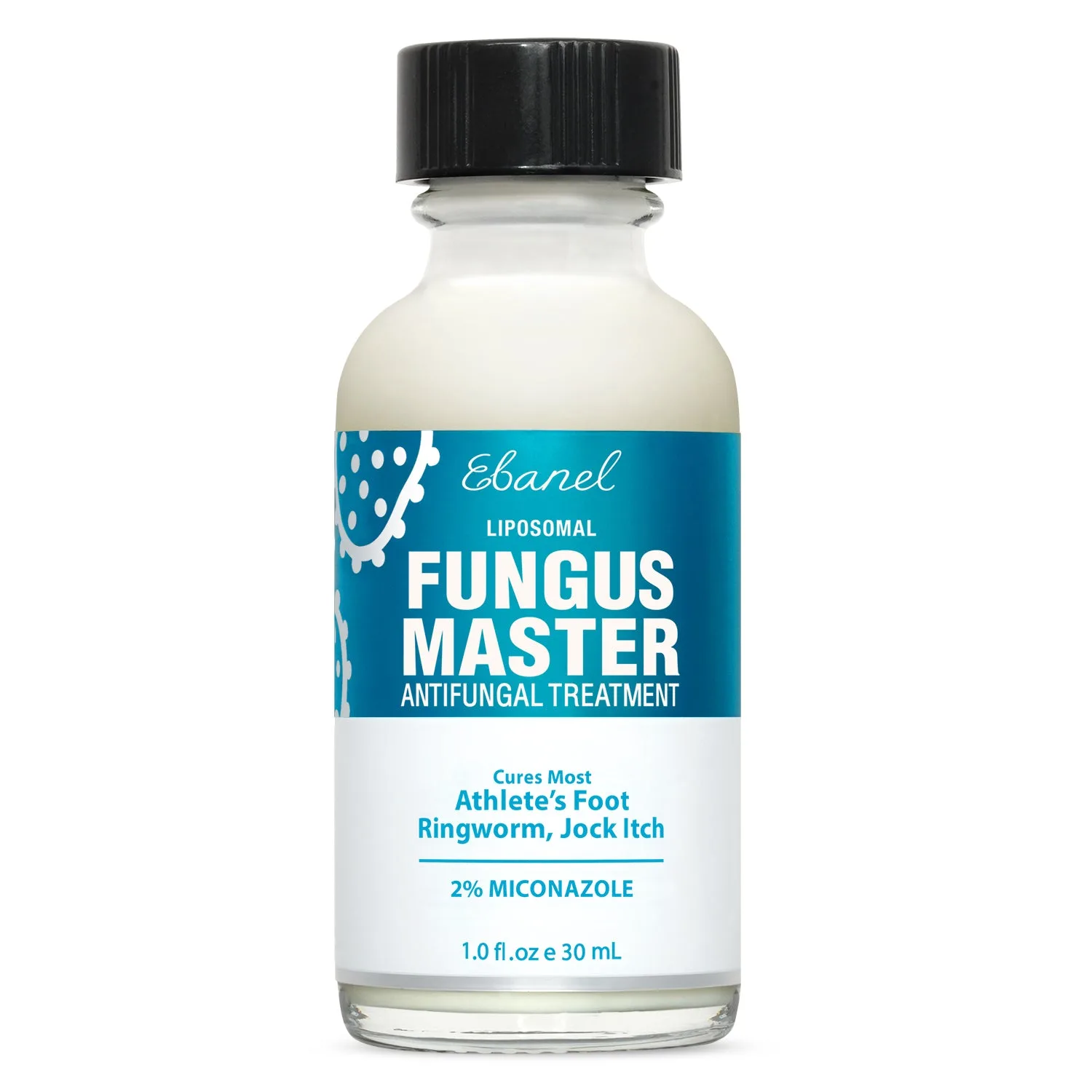
Liposomal Fungus Master Antifungal Treatment
Another innovative product is the Numb 520 Cream, which uses liposomal technology to deliver a powerful numbing effect for topical pain relief. Ideal for use before laser hair removal, tattoos, or microneedling, this cream provides fast-acting, long-lasting anesthesia without the greasy residue of traditional numbing agents. The liposomal base ensures the active ingredients reach nerve endings efficiently, reducing discomfort during procedures.
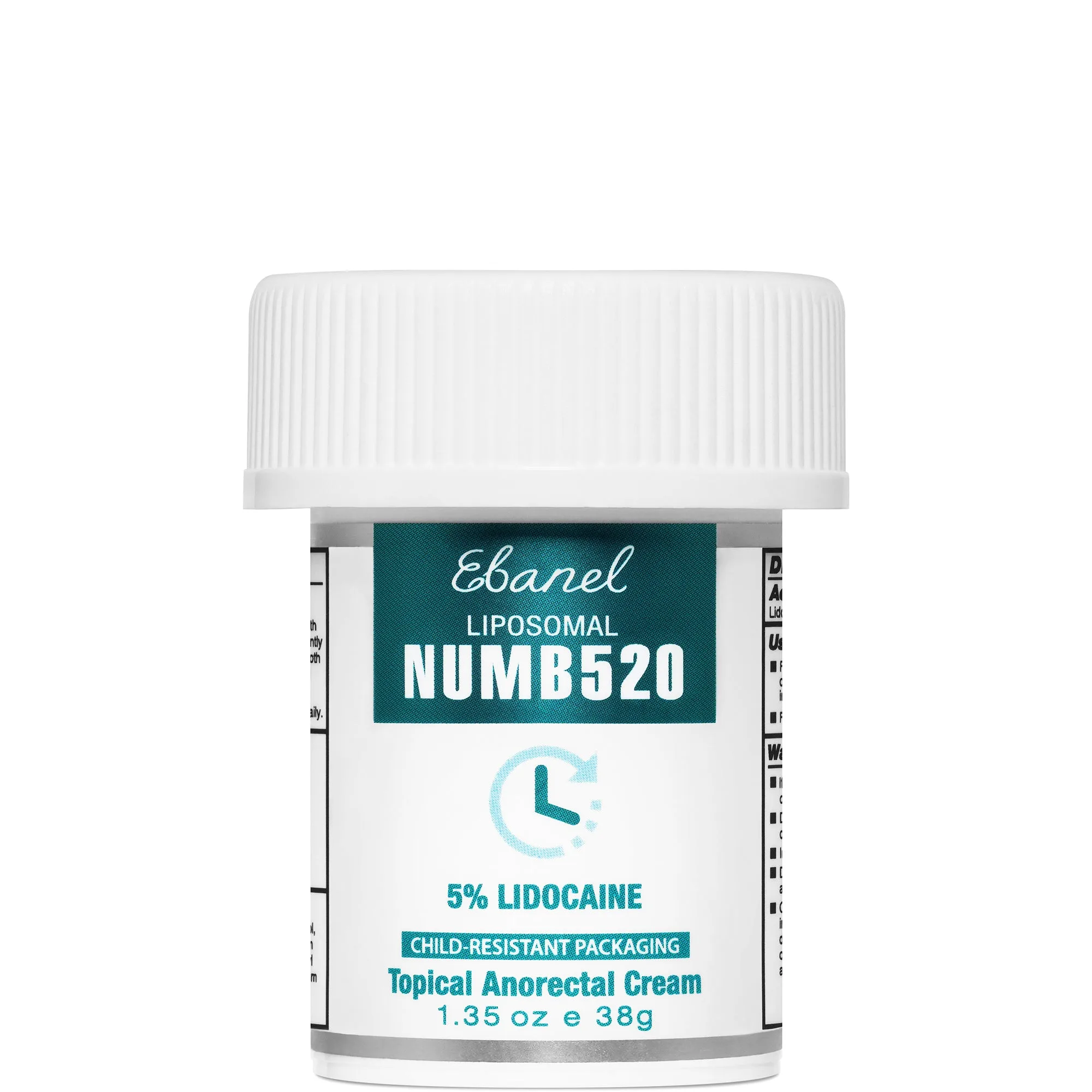
Numb 520 Cream
- Liposomal antifungals are especially useful for athletes, diabetics, and anyone prone to recurrent infections.
- Numbing creams with liposomes are preferred by estheticians for their predictable onset and duration.
The Future of Liposomal Skincare and OTC Innovations
As research continues, liposomal technology is expanding beyond antifungals and pain relief into everyday skincare. Vitamin C serums, retinol treatments, and hyaluronic acid moisturizers are being reformulated with liposomes to boost stability and absorption. For instance, the Dr Brightening Ultra-Potent Facial Cream uses advanced delivery systems to maximize the brightening effects of vitamin C while minimizing oxidation.
We can also expect to see liposomal formulations for acne, hyperpigmentation, and even anti-aging peptides. The trend aligns with the broader move toward personalized, high-performance OTC products that rival prescription-strength results. For consumers, this means more effective self-care options with fewer side effects—a win-win for both health and beauty.
- Look for terms like "liposomal," "lipid-encapsulated," or "multivesicular" on ingredient lists to identify advanced formulations.
- Always patch-test new liposomal products, as enhanced absorption can sometimes increase sensitivity.
Liposomal technology is reshaping the OTC landscape, offering smarter delivery of active ingredients for better results. Whether you are tackling a persistent fungal infection or seeking pain-free cosmetic treatments, products like the Liposomal Fungus Master Antifungal Treatment and Numb 520 Cream exemplify how this innovation can elevate your self-care routine. As more brands adopt this science, staying informed will help you choose the most effective solutions for your needs.