The outdoor industry is undergoing a profound transformation. As climate concerns intensify and consumers become more environmentally conscious, the demand for sustainable camping gear has skyrocketed. No longer a niche preference, eco-friendly outdoor gear is now a mainstream expectation, influencing everything from product design to brand loyalty.
In this article, we dive into the key trends shaping green camping, including material innovations, circular economy practices, and the rise of durable, multi-use products. Whether you're a seasoned backpacker or a weekend glamper, understanding these shifts will help you make informed choices that benefit both your adventures and the planet.
Material Innovation: From Recycled Fabrics to Biodegradable Alternatives
One of the most significant trends in sustainable camping gear is the shift toward innovative materials. Brands are increasingly using recycled polyester, organic cotton, and even plant-based alternatives like hemp and bamboo. These materials reduce reliance on virgin resources and lower the carbon footprint of production. For example, some shelters now incorporate recycled nylon from fishing nets, turning ocean waste into high-performance gear.
Beyond recycled content, biodegradable and compostable materials are gaining traction. Tent stakes made from plant-based plastics, tarps with natural coatings, and sleeping bag liners from Tencel are just a few examples. These innovations ensure that even when gear reaches end-of-life, it doesn't linger in landfills for centuries. The key is balancing durability with eco-friendliness, a challenge that many manufacturers are now meeting with clever engineering.
- Look for certifications like GOTS (Global Organic Textile Standard) or bluesign® when choosing eco-friendly outdoor gear.
Circular Economy: Repair, Reuse, and Resale Programs
The camping industry is embracing circular economy models to extend product lifespans and reduce waste. Major brands now offer repair services, spare parts, and even take-back programs for old gear. This shift encourages consumers to invest in quality items that can be fixed rather than replaced, saving money and resources in the long run.
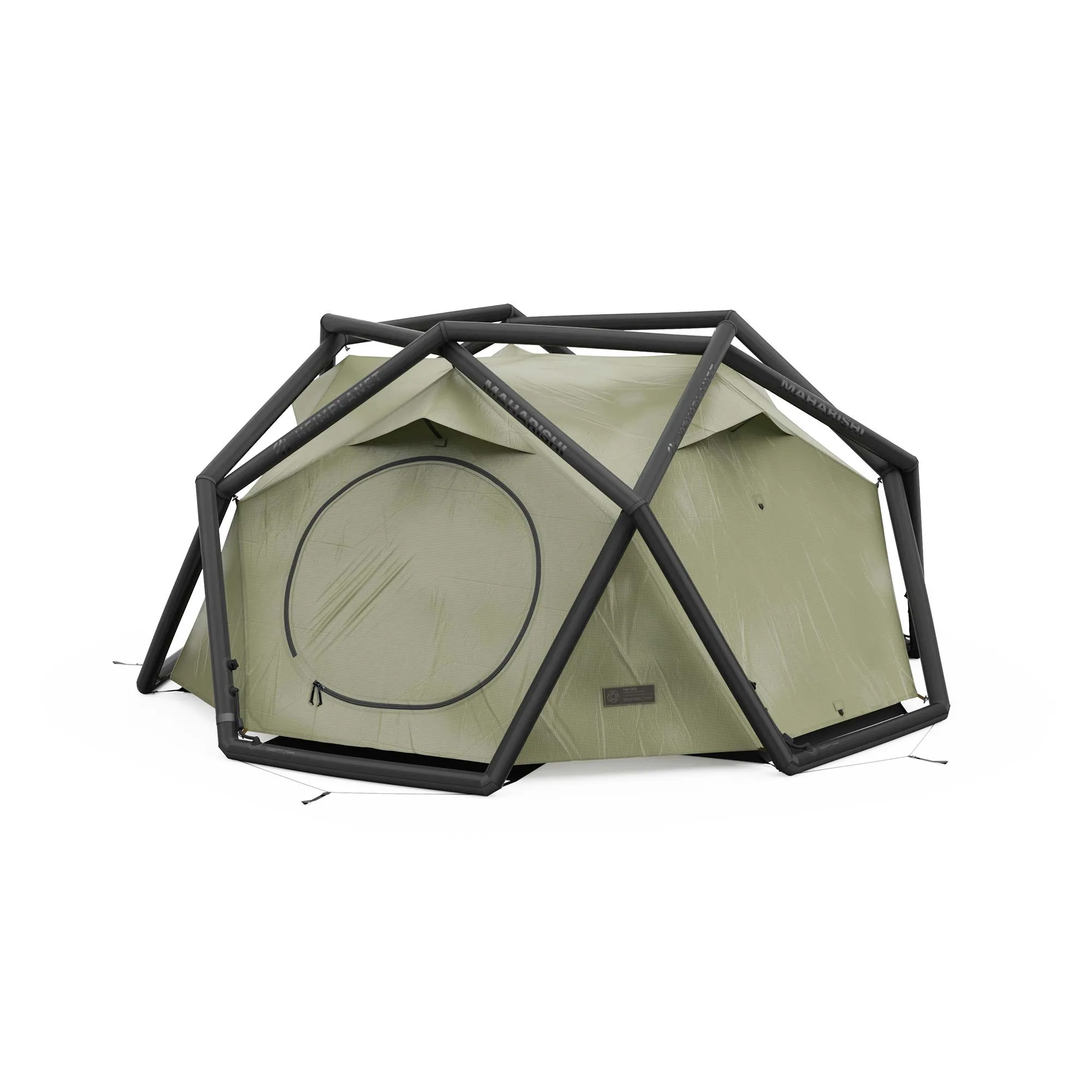
Resale platforms and 're-stored' collections are also booming. For instance, pre-owned or factory-second items like the Re-stored DAWN L Tarp and Re-stored THE CAVE XL shelter give gear a second life. These programs not only reduce environmental impact but also make high-end equipment more accessible. By choosing refurbished or returned products, outdoor enthusiasts can enjoy premium performance at a lower cost while supporting a more sustainable industry.
- Consider buying from a brand's 're-stored' or certified pre-owned program to lower your footprint.
Durable, Multi-Use Products: Less Is More
Another key trend is the move toward durable, multi-use gear. Instead of buying specialized items for every activity, outdoor lovers are opting for versatile products that perform well in multiple scenarios. A single tarp that works as a rain shelter, ground cloth, or sun shade; a backpack with modular pockets that adapt to different trips; or a cookset that doubles as a storage container — these designs reduce the total number of items needed, cutting down on resource consumption.
Durability itself is a sustainability strategy. Well-made gear lasts for years, even decades, if properly maintained. Brands are responding by using stronger stitching, reinforced stress points, and timeless aesthetics that don't go out of style. The result is a win-win: consumers get reliable equipment, and the planet sees less waste. When you invest in a product built to last, you're making a long-term commitment to sustainable outdoor adventures.
- Check reviews and warranty policies before buying — a longer warranty often signals better build quality.
Ethical Production and Transparency
Sustainability isn't just about materials; it's also about how products are made. Ethical production practices — fair wages, safe working conditions, and reduced energy use — are becoming non-negotiable for many shoppers. Brands are increasingly publishing supply chain information, carbon footprint data, and social impact reports to build trust.
Transparency allows consumers to make informed choices. For example, a tent manufacturer might disclose that its factory uses solar power and recycles water. Others may partner with certified B Corporations or donate a portion of profits to conservation efforts. This openness not only holds companies accountable but also empowers customers to align their purchases with their values. As the trend grows, expect more outdoor brands to lead with purpose, not just products.
- Use apps or websites like Good On You or Eco-Brands to research a brand's ethical and environmental rating.
The Role of Accessories in Sustainable Camping
Even small accessories play a part in the sustainability movement. Items like reusable water bottles, compostable cutlery, and solar-powered lanterns help reduce single-use waste. But beyond that, thoughtful design in accessories can enhance the longevity of your main gear. For instance, a quality hipbelt or pocket system like the Motion Hipbelt / Pockets can upgrade an older backpack, delaying the need for a new purchase.
Similarly, investing in durable cookware and tableware, such as a cast-iron pan or stainless steel thermos, eliminates the need for disposable alternatives. The HPT X MIZU Thermos 1070 ML is a great example — it keeps drinks hot or cold for hours and is built to last for years. By choosing well-made accessories, you're completing your sustainable camping kit without compromising on performance.
- Start your sustainable gear journey with one high-quality accessory that replaces multiple disposable items.
The shift toward sustainable camping gear is not just a passing trend — it's a necessary evolution for the outdoor industry. By choosing eco-friendly materials, supporting circular economy initiatives, and investing in durable, multi-use products, you can reduce your environmental impact while enjoying the great outdoors. Ready to upgrade your kit with a sustainable shelter? Explore the Re-stored DAWN L Tarp — a perfect example of how recycled materials and smart design come together for a greener adventure.