Quick answer
Choose a robe if you need to change without disturbing hair or makeup and want a loose, adjustable fit. Choose a long gown if your getting-ready photos are a priority and you want an elegant, floor-skimming line. Choose a short gown if you want the ease of a slip with more freedom of movement and less fabric to manage.
Match the piece to your getting-ready plan
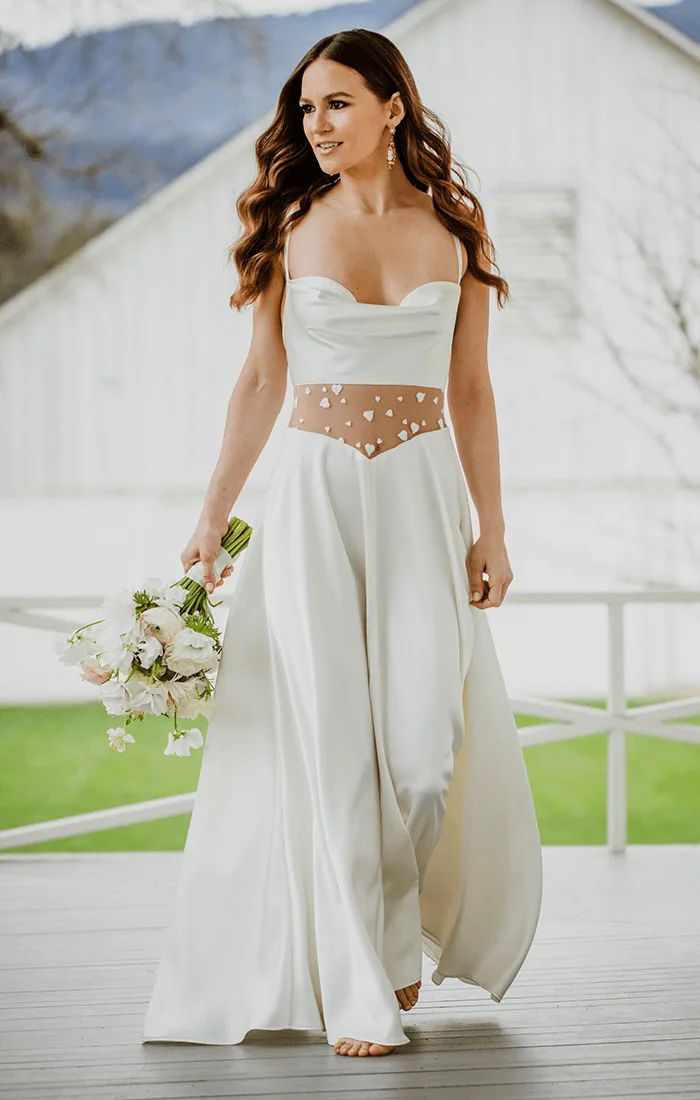
Start with the sequence of your morning: hair, makeup, then dressing. If your hair and makeup happen after you put on your getting-ready piece, a robe with a front opening lets you remove it without pulling anything over your head. If you dress last and photos happen before, a gown gives you a finished silhouette in every frame. For a wedding morning, confirm whether your photographer will shoot detail images of the piece itself; a long gown with a defined waist and lace inset reads more clearly on camera than a loose robe.
Robe vs long gown: movement and coverage
A robe is the most adjustable option because it ties at the waist and opens fully. That makes it practical for bathroom trips, last-minute steaming, and slipping into a dress without disturbing your hair. A long gown offers more consistent coverage and a smoother line under photographs, but it typically pulls on over the head unless it has a back closure. If your gown has a button at the back waist, plan for someone to help you fasten it. For warmth, a robe lets you layer over a camisole or slip; a long gown is usually worn alone.
Short gown vs long gown: length and fabric management
A short gown or tap short set keeps fabric away from the floor, which matters in tight dressing rooms, on stairs, or when you are moving between locations. A long gown delivers a more formal, bridal look but requires more attention to hem length and floor conditions. If your venue has carpet or you will be walking outside, a shorter length reduces the risk of dragging. If your photos are seated or full-length, a long gown photographs with more drama. Neither is better in every case; the deciding factor is how much you will move before the ceremony.
Fit guidance for getting-ready pieces
For a robe, the key measurements are shoulder width and sleeve length; a robe that is too wide in the shoulder slides during photos. For a long gown, check the bust and waist against the size chart and note whether the style is bias cut, which can relax slightly with wear. For a short gown or camisole, confirm the cropped length sits where you want it relative to your waistband. If you are between sizes on a bias-cut gown, size up rather than down, because the fabric has less stretch than a knit. Made-to-order styles may offer custom sizing; check the product page for the current lead time before you commit to a date.
Decision rules for getting-ready wear
- If you dress after hair and makeup: Choose a robe with a front opening so you can remove it without pulling anything over your head. Robes win when your hair and makeup are done first.
- If photos happen before you dress: Choose a long gown with a defined waist and a finished neckline so the silhouette reads clearly on camera. Long gowns photograph more formally than robes.
- If you will move between rooms or locations: Choose a short gown or tap short set to keep fabric off the floor and reduce tripping risk. Shorter lengths are easier to manage in transit.
- If you run warm or the room is heated: Choose a lightweight silk or knit layer you can remove easily, and avoid heavy satin if you overheat. Fabric weight affects comfort more than length.
Product facts
- Alabaster Wedding Gown: Made-to-order bridal weight silk crepe back satin long gown with heart-dotted lace inset at waist, bias cut cowl bust, criss-cross straps, and button at back waist. The back button means you need help dressing, and the made-to-order timeline should be planned against your event date.
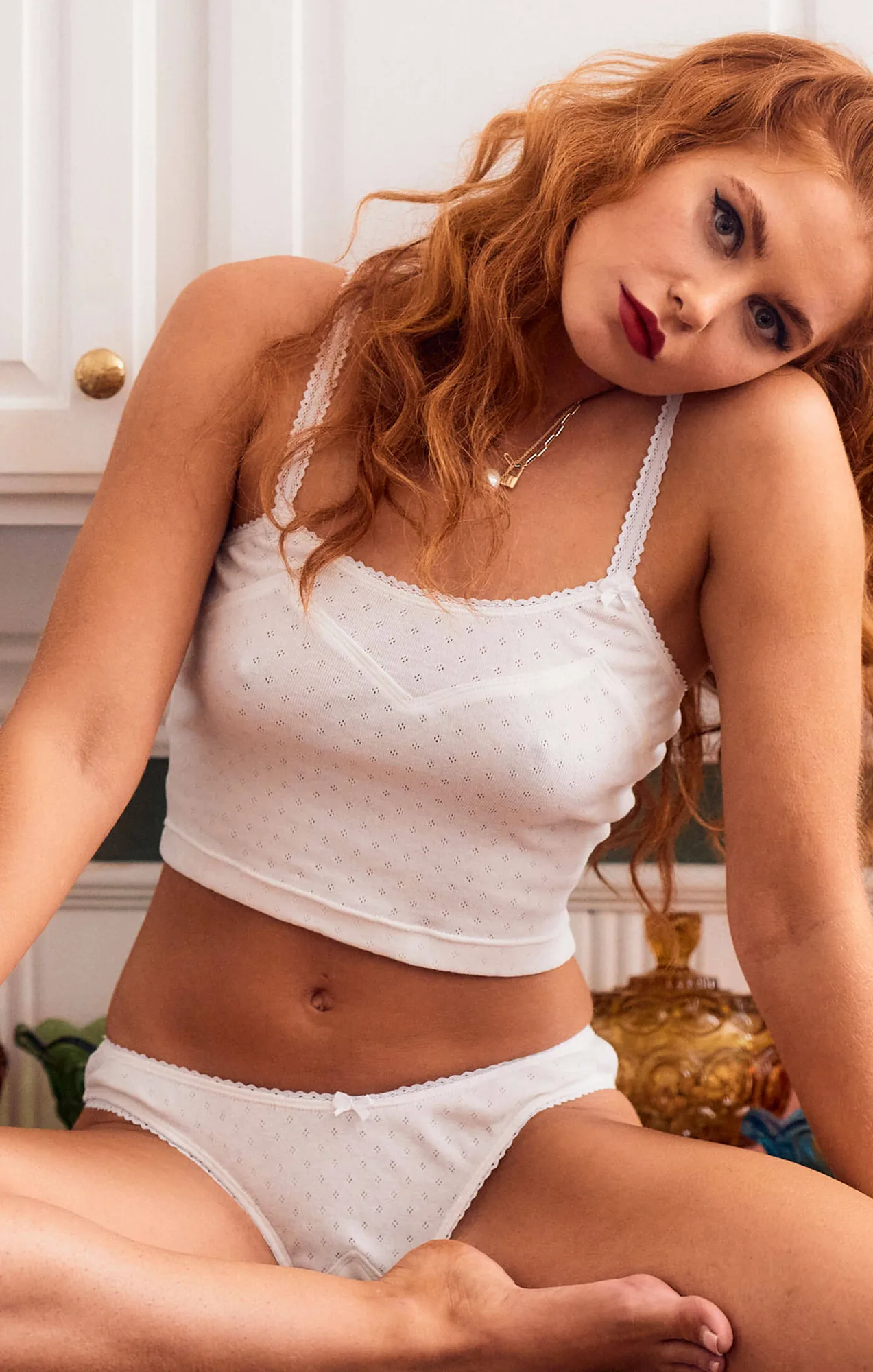
- Mint Cropped Cami: Cropped knit camisole with diamond motif, trellis motif elastic, bust-accentuating style lines, and adjustable straps. A cropped knit layer adds coverage under a robe without adding bulk, and adjustable straps let you fine-tune the fit.
Who each option suits
Best for
- Brides who want a robe for hair and makeup, then change into a gown for photos
- Anyone who needs to dress without disturbing a finished hairstyle
- Shoppers who want a short gown or camisole for warm rooms and easy movement
Not for
- Shoppers who want one piece to cover both loose lounging and formal photos
- Anyone unwilling to plan a made-to-order lead time for a bridal gown
- People who prefer a closed front and no waist tie