Why Ventilation Matters in a Grill Gazebo
When you cook under a covered structure, the first question is always airflow. A grill gazebo that traps smoke and heat can make cooking uncomfortable and raise safety concerns. The Rockport Steel Grill Gazebo from Backyard Discovery is designed as a hardtop shelter, but the supplied information does not specify built-in ventilation features such as side panels or chimney openings. That means you need to think about airflow when you choose where to place it and how you use it.
The good news: the Rockport is built from 100% powder-coated galvanized steel with solid steel walls and a rust-resistant frame. That durable construction gives you a stable cooking station, but it also means the structure is largely enclosed. Without confirmed ventilation details, you should plan for airflow by leaving the front open during cooking and positioning the gazebo so prevailing breezes can move through. If you live in a very hot climate, you may want to add a fan or choose a more open design if smoke buildup becomes an issue.
Rockport Steel Grill Gazebo: What the Specs Tell You
-
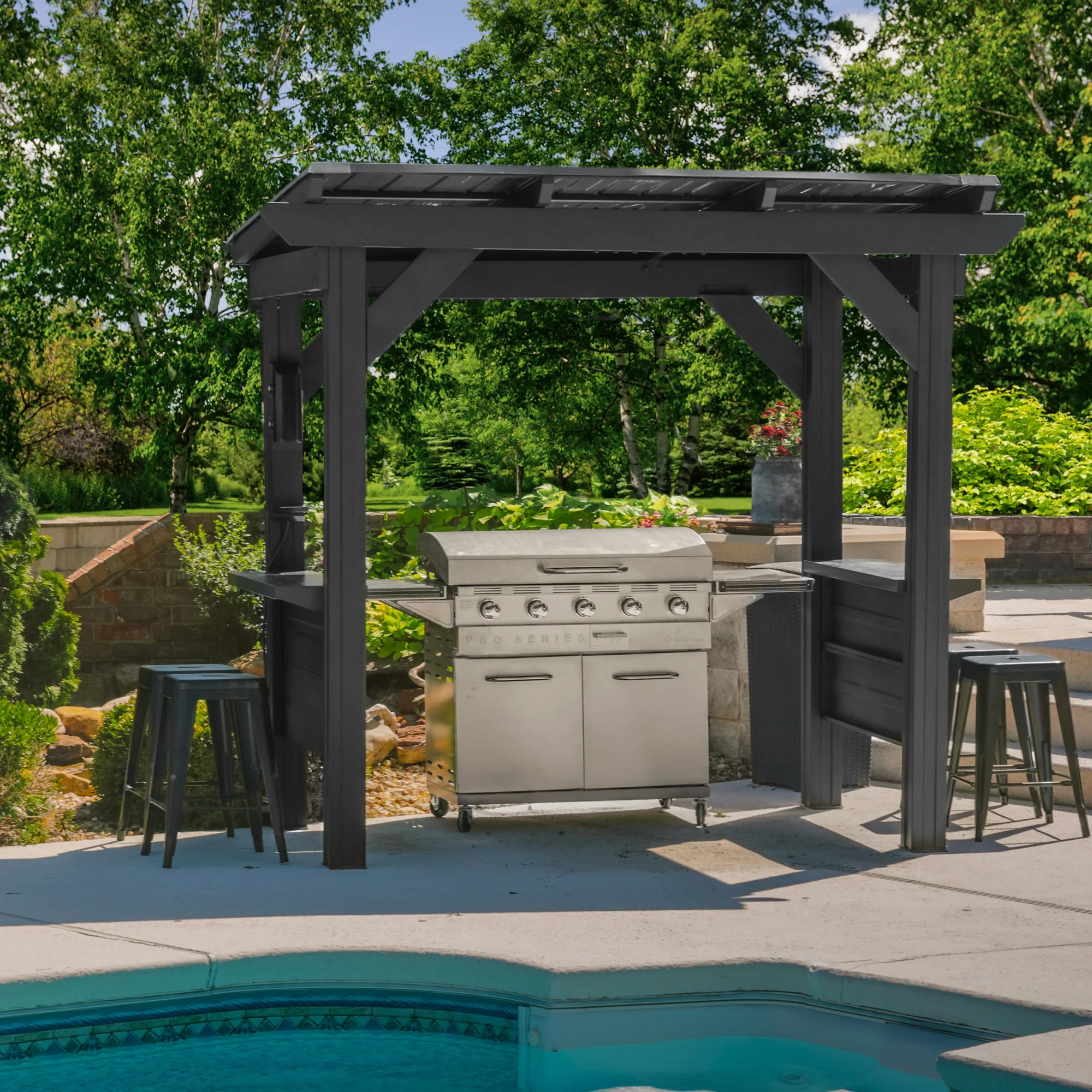
Rockport Steel Grill Gazebo: Durably constructed from 100% powder-coated galvanized steel, this maintenance-free BBQ gazebo features a rust-resistant steel frame, solid steel walls, and two spacious steel bar countertops. Steel walls and a steel frame mean the structure is sturdy and won't warp or rot like wood, but they also reduce natural airflow. Knowing this helps you plan for ventilation rather than assuming open sides.
Rockport Steel Grill Gazebo
-
Rockport Steel Grill Gazebo: It accommodates most grills up to 70 inches wide and includes 4 magnetic accessory hooks to easily store all your grilling utensils right where you need them. A grill up to 70 inches wide generates significant heat and smoke. The generous size gives you room to work, but you still need to manage airflow and keep flammable items away from the cooking surface.
-
Rockport Steel Grill Gazebo: With our patented PowerPort™, featuring three electrical outlets and three USB ports, you can easily power up blenders, lighting, music, or anything else you might need while cooking and dining outdoors. Having power right at the grill is convenient, but it also means you must keep cords away from heat and water. Use the outlets for accessories, not for extension cords that could become tripping hazards.
-
Rockport Steel Grill Gazebo: This hardtop grill gazebo is Pro-Tect™ tested and proven to withstand roof loads of up to 2,000 pounds and wind speeds up to 100 mph*, ensuring it stands up to any weather conditions. The Pro-Tect™ rating gives you confidence in windy or snowy conditions, but it doesn't replace safe cooking practices. Always follow grill manufacturer guidelines and keep the area clear of debris that could catch fire.
Placement and Setup for Better Airflow
Where you put the Rockport Steel Grill Gazebo affects both safety and comfort. Since the supplied information doesn't include specific clearance distances, use common sense: place the gazebo on a level, non-combustible surface like concrete or pavers, and keep it away from overhanging branches, eaves, or other structures that could catch heat or sparks.
For ventilation, orient the open side of the gazebo so it faces the prevailing wind in your yard. That way, smoke and heat are carried away from the cooking area rather than lingering under the roof. If your yard has no consistent breeze, consider positioning the gazebo near an open area where air can move freely, rather than tucking it into a corner.
Also, think about how you'll use the two steel bar countertops. They give you extra prep space, but they also take up room. Keep the area around the grill clear of clutter so heat can dissipate and you can move safely while cooking.
Safe Cooking Under the Rockport Gazebo
Follow these practical steps to cook safely under the Rockport Steel Grill Gazebo, based on the product's design and general outdoor cooking principles.
- Check for adequate airflow: Before you start grilling, make sure the front of the gazebo is open and there's a path for smoke to escape. If you notice smoke accumulating, stop cooking and reposition the gazebo or adjust your setup.
- Keep flammable items away: The magnetic accessory hooks are handy for utensils, but don't hang towels, paper towels, or plastic items near the grill. Store lighter fluid and other flammables outside the gazebo.
- Use the PowerPort™ safely: Plug in only outdoor-rated appliances and keep cords away from the grill's hot surfaces. Don't overload the outlets, and avoid using the PowerPort™ in wet conditions.
- Monitor weather conditions: The Pro-Tect™ rating means the structure can handle strong wind and heavy snow, but that doesn't mean you should grill in a storm. If winds are high, wait for calmer weather to avoid flare-ups and flying debris.
- Clean up after cooking: Grease and food residue can build up on the steel surfaces. Wipe down the countertops and walls regularly to keep the gazebo looking good and reduce fire risk.
What the Rockport Gazebo Does and Doesn't Tell You
The Rockport Steel Grill Gazebo is a robust shelter for your outdoor cooking area. Its steel construction, wide grill compatibility, and weather resistance make it a practical choice for many backyards. However, the supplied information doesn't confirm specific ventilation features like side panels, vents, or a chimney. That's not a flaw—it just means you need to account for airflow in your setup.
Similarly, the product details don't include assembly instructions or maintenance schedules. For those, you'll want to refer to the manual that comes with the gazebo. What the specs do tell you is that the Rockport is built to handle tough weather and heavy loads, which gives you a solid foundation for safe outdoor cooking.
If you're comparing this to a more open grill station or an outdoor kitchen, consider how much time you spend grilling in hot or windy conditions. The Rockport's enclosed design offers protection from sun and rain, but you'll need to manage ventilation actively. For most home cooks, that's a simple trade-off: a little extra care in placement and airflow in exchange for a durable, all-weather cooking space.