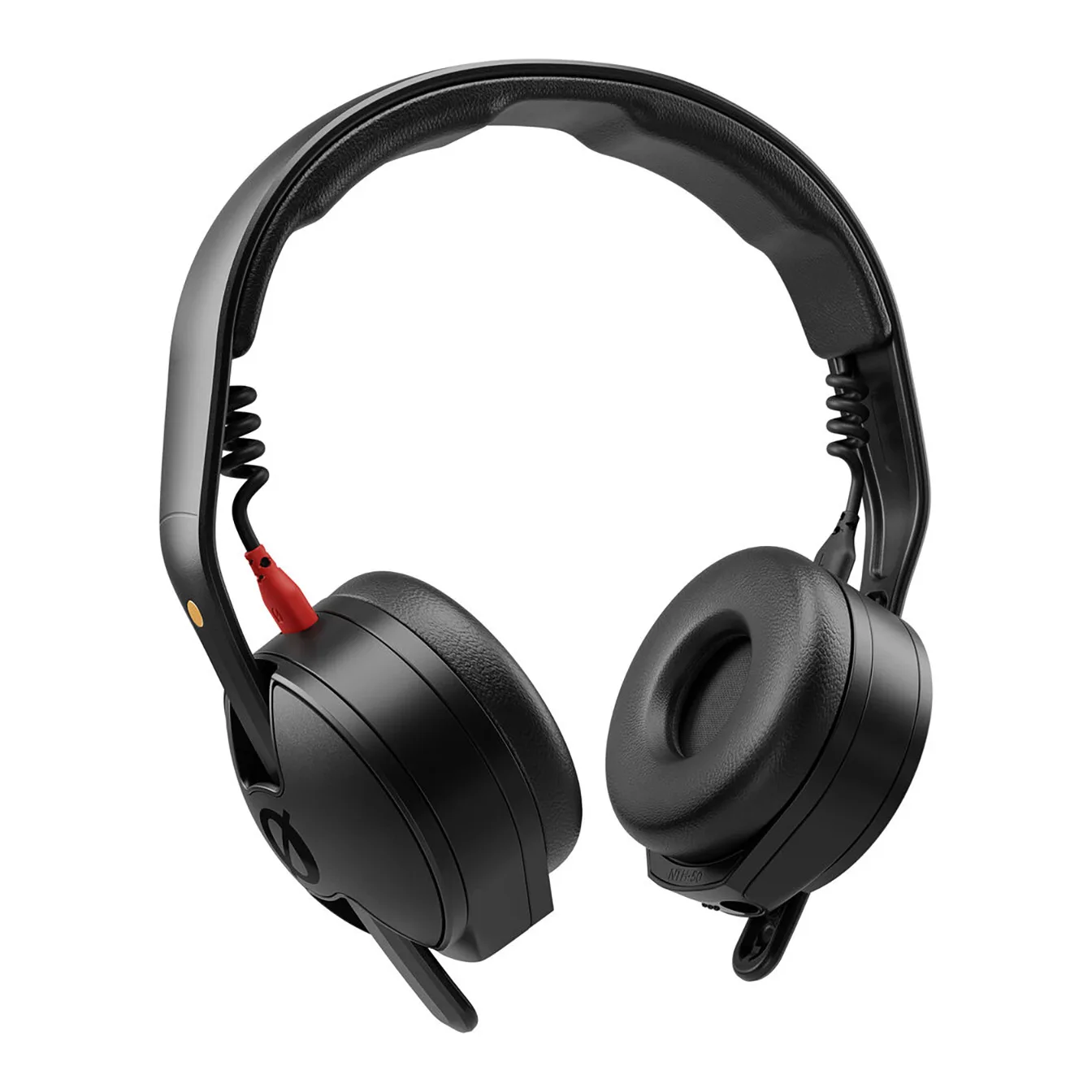
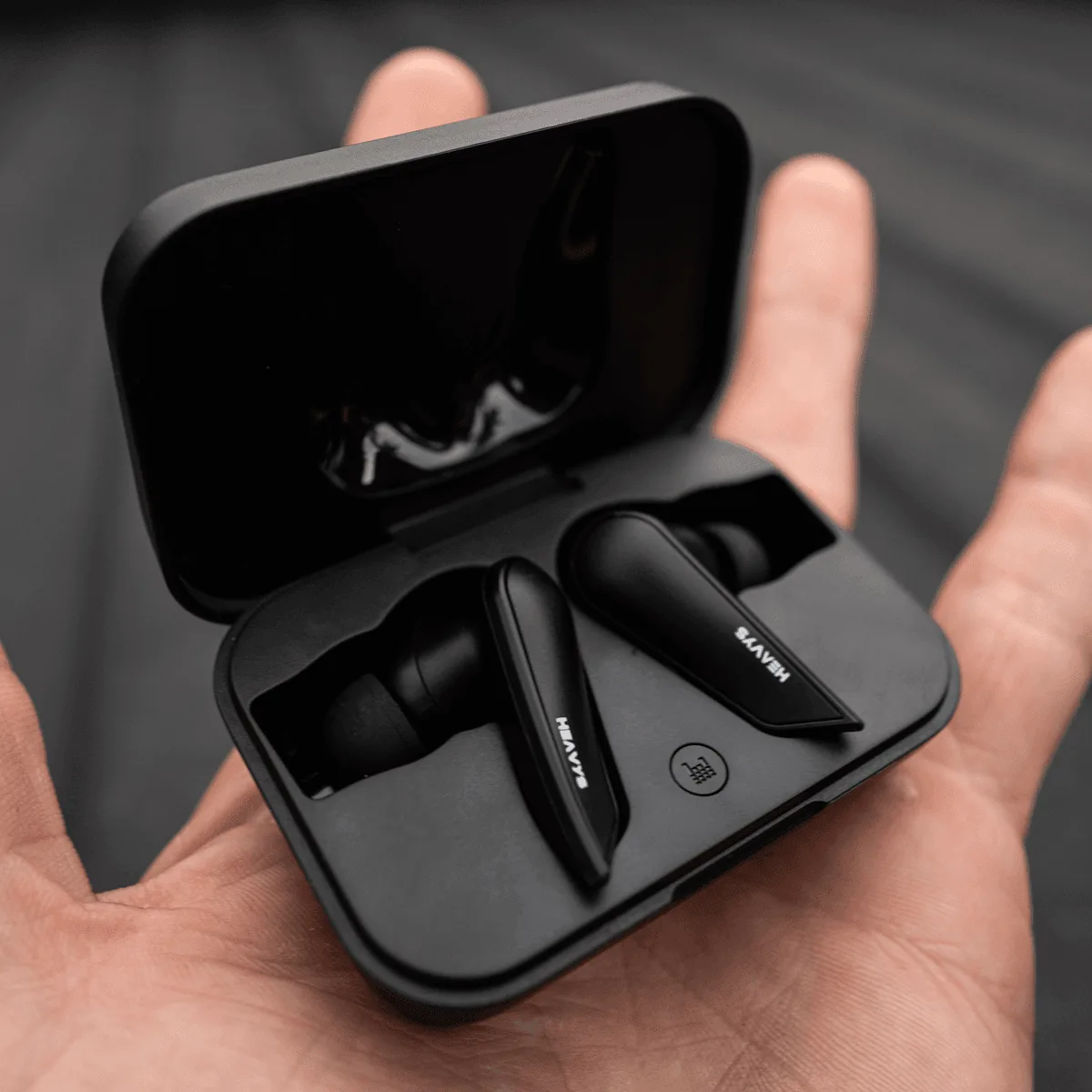
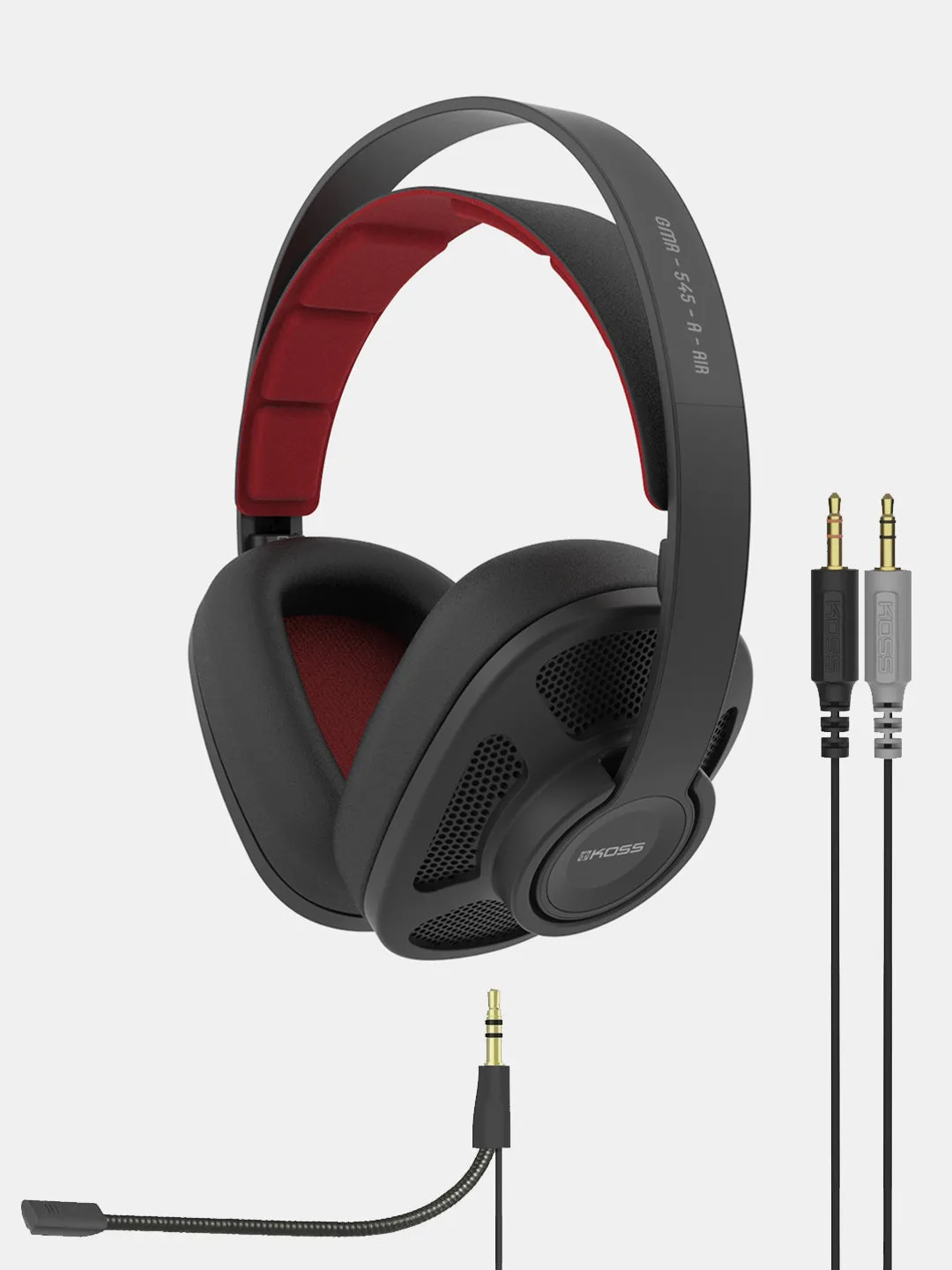
What Makes a Closed-Back Headphone Right for Monitoring
When you're monitoring audio during a podcast, voiceover session, or on-location recording, the headphone design directly affects what you hear — and what your microphone picks up. Closed-back headphones isolate outside noise and prevent sound from bleeding out of the earcups into your mic. That makes them the practical choice for tracking, podcasting, and any situation where you need to hear your mix without contaminating the recording.
Open-back headphones, by contrast, let air and sound pass through the earcups. They often sound more spacious, but they leak audio and let room noise in. For most film and content creation monitoring tasks, a closed-back design is the safer bet.
RODE NTH-100 vs Typical Closed-Back Monitoring Headphones
The RODE NTH-100 is a closed-back, over-ear professional headphone built for content creators, podcasters, and engineers. The key differentiator is its design focus on long-wear comfort and low audio leakage — exactly what you need when you're wearing cans for hours in a control room or on set.
Here's how it compares to a generic closed-back monitoring headphone:
- Comfort for long sessions: RØDE designs the NTH-100 specifically for comfort over long sessions, with padded headband and ear cushions. Many generic closed-back headphones prioritize bass response over ergonomics, which can lead to fatigue during extended use.
- Audio isolation and bleed: The NTH-100's closed-back design isolates outside noise and stops mic bleed from your own monitoring. This is critical for podcasting and tracking, where any sound escaping the earcups can ruin a take. Generic models vary widely; some cheap closed-backs leak more than expected.
- Build and cable connections: The NTH-100 uses both 3.5 mm and 6.35 mm connections, making it compatible with a RØDECaster Pro II, a NT-USB+, or any standard headphone output. This flexibility is not always standard on budget closed-back headphones, which may come with a fixed cable or only one connector.
Evidence: RODE NTH-100 Specifications
-
RODE NTH-100 Professional Closed-Back Over-Ear Headphones (Black): The RØDE NTH-100 is a closed-back, over-ear professional headphone aimed at content creators, podcasters, and engineers who need a long-wear, low-leak monitoring headphone. This confirms the NTH-100 is purpose-built for the monitoring tasks that closed-back headphones excel at, rather than being a generic audio headphone adapted for studio use.
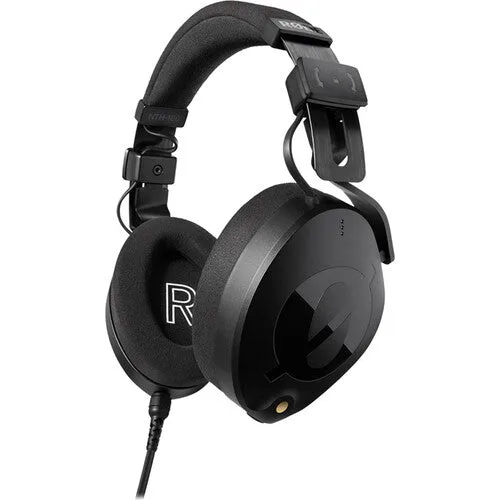
RODE NTH-100 Professional Closed-Back Over-Ear Headphones (Black)
-
RODE NTH-100 Professional Closed-Back Over-Ear Headphones (Black): Closed-back is the right choice for podcasting and tracking: it isolates outside noise and stops mic bleed from your own monitoring. This directly addresses the core advantage of closed-back design and ties it to real-world use cases in film and audio production.
-
RODE NTH-100 Professional Closed-Back Over-Ear Headphones (Black): Pair with the RØDECaster Pro II, a NT-USB+, or any standard 3.5 mm / 6.35 mm headphone output. This compatibility ensures the NTH-100 works with common gear without adapters, a practical advantage over headphones with limited connection options.
What the Comparison Doesn't Cover
This comparison focuses on the NTH-100's place among closed-back monitoring headphones for podcasting, tracking, and field work. It does not cover open-back models, wireless headphones, or in-ear monitors — each of those serves a different monitoring need. The NTH-100's supplied information does not include frequency response graphs or impedance figures, so those specs are not part of this analysis. If you need those numbers for a technical decision, consult RØDE's official documentation.