As women enter menopause, hormonal shifts—particularly the decline in estrogen—trigger a cascade of physiological changes. One of the most concerning is the accelerated loss of muscle mass, known as sarcopenia. This natural aging process can begin as early as perimenopause and accelerates in the postmenopausal years, affecting strength, metabolism, and overall vitality. While many women focus on bone health and hot flashes, muscle maintenance often takes a backseat—yet it is foundational for healthy aging.
The good news is that targeted nutrition, especially the strategic use of aminosäuren (amino acids), can powerfully counteract muscle loss. Amino acids are the building blocks of protein and play a direct role in muscle protein synthesis. During menopause, the body becomes less efficient at using dietary protein to build and repair muscle, making it crucial to optimize both the quantity and quality of protein intake. In this article, we explore why aminosäuren are non-negotiable for women over 40 and how to incorporate them into your daily routine.
Why Muscle Mass Declines During Menopause
Estrogen has a protective effect on muscle tissue. It helps regulate inflammation, supports insulin sensitivity, and promotes muscle protein synthesis. As estrogen levels drop, these protective mechanisms weaken. Additionally, age-related changes like reduced physical activity, lower appetite, and increased inflammation further compound muscle loss. Studies show that women can lose 3–8% of their muscle mass per decade after age 30, with the rate accelerating after menopause.
This decline isn’t just about appearance—it affects metabolic rate, bone density, balance, and daily function. Less muscle means fewer calories burned at rest, making weight management harder. It also increases the risk of falls and fractures. Understanding this biological shift is the first step toward proactive intervention. By prioritizing muscle maintenance, women can preserve their independence and vitality well into their later years.
- Aim for 25–30 grams of high-quality protein per meal to stimulate muscle protein synthesis.
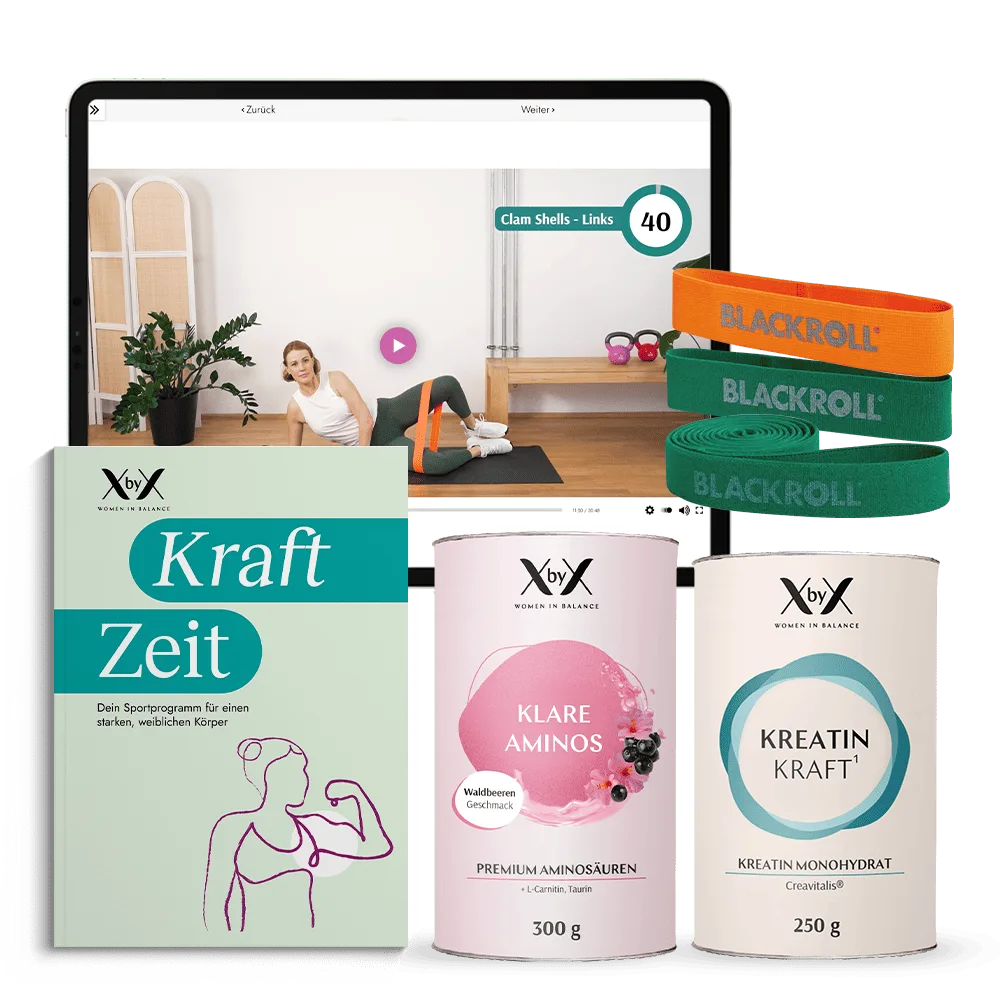
- Include resistance training at least twice a week to signal your muscles to grow and repair.
How Aminosäuren Directly Support Muscle Health
Aminosäuren are the individual components that make up proteins. Among the 20 amino acids, nine are essential—meaning the body cannot produce them and they must come from food. Leucine, in particular, is a key trigger for muscle protein synthesis. During menopause, the muscle-building response to leucine becomes blunted, so consuming sufficient leucine-rich sources is vital. Complete proteins like whey, eggs, and soy provide all essential amino acids, while plant-based proteins may need to be combined to achieve a full profile.
Supplementing with specific aminosäuren can fill dietary gaps and ensure your muscles get what they need. Products like the Protein Quelle Neutral Sachet offer a clean, versatile source of high-quality protein that can be easily added to smoothies, oatmeal, or even savory dishes. This is especially helpful for women who struggle to meet their protein needs through food alone. The convenience of a neutral sachet means you can boost your intake without altering the taste of your favorite recipes.
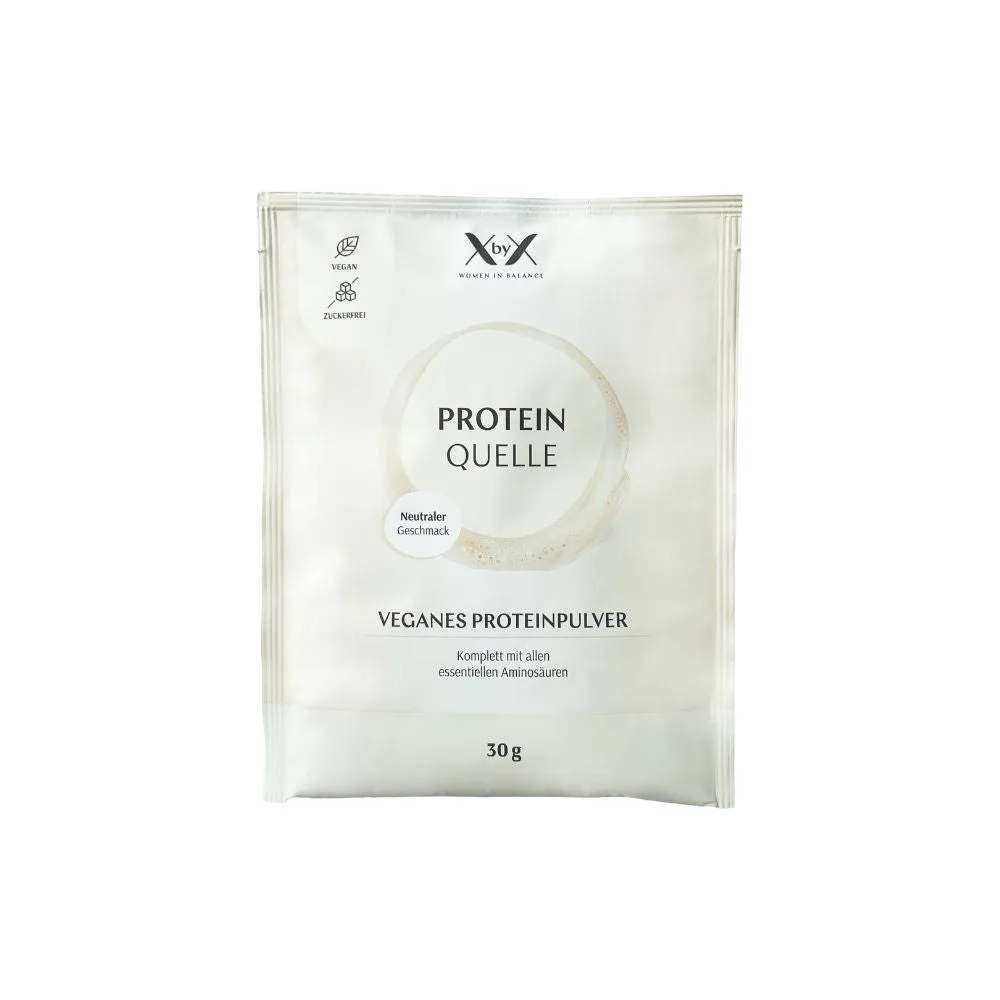
Protein Quelle Neutral Sachet
- Look for supplements with at least 2.5–3 grams of leucine per serving for optimal muscle stimulation.
- Timing matters: consume protein within 30–60 minutes after exercise for best results.
Practical Strategies to Preserve Muscle During Menopause
Beyond protein intake, lifestyle factors play a significant role. Resistance training—using weights, resistance bands, or bodyweight exercises—sends a powerful signal to your muscles to stay strong. Combine this with adequate sleep, stress management, and a diet rich in anti-inflammatory foods. Sleep is particularly critical, as growth hormone (vital for repair) is released during deep sleep cycles. The Schlaf Guide can help women optimize their sleep hygiene, which directly impacts muscle recovery and hormonal balance.

Schlaf Guide
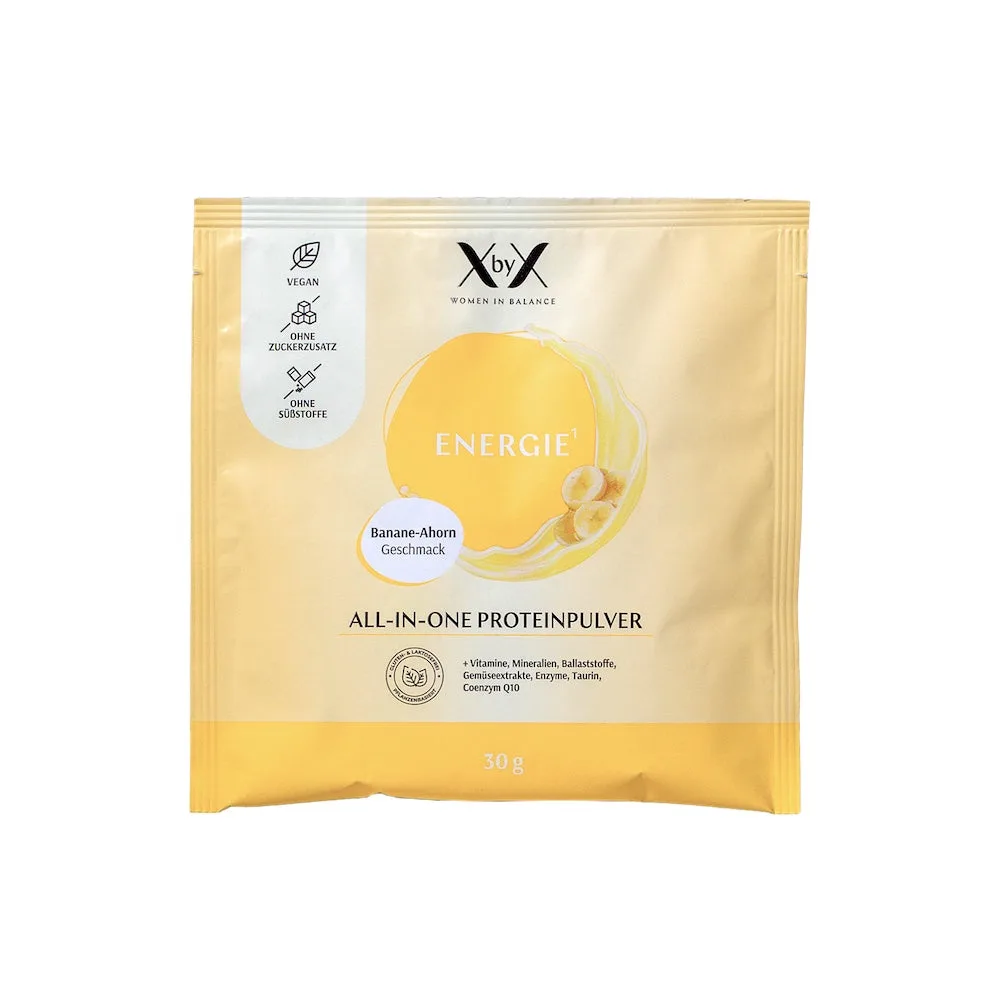
Hydration and overall nutrient density also matter. Magnesium, vitamin D, and omega-3s support muscle function and reduce inflammation. A balanced approach that includes targeted supplements, such as the Wunsch Set: Energie & Basics, can simplify the process of covering multiple nutritional bases. This set combines key nutrients that support energy metabolism and foundational health, making it easier to stay consistent. Remember, small daily habits compound into significant long-term results.
- Plan your meals around protein: include a source of aminosäuren at every meal and snack.
- Track your progress with simple strength tests (e.g., number of push-ups or squats) every month.
Preserving muscle during menopause is one of the most impactful steps you can take for your long-term health and vitality. By understanding the role of aminosäuren and making intentional choices about nutrition and exercise, you can slow muscle loss, boost metabolism, and feel strong in your body. Explore the Protein Quelle Neutral Sachet as a convenient way to increase your daily protein intake and support your muscle maintenance goals.