Few things can derail a workout, a run, or even a good night’s sleep faster than a sudden, searing muscle cramp. Whether it strikes your calf in the middle of the night or your quad during a long bike ride, a muscle cramp is painful, disruptive, and often puzzling. While many factors contribute to cramping — fatigue, overuse, poor stretching — one of the most common and preventable causes is an electrolyte imbalance. Understanding the role of electrolytes in muscle cramp prevention can help you stay active, comfortable, and cramp-free.
Electrolytes are electrically charged minerals that regulate nerve signals, muscle contractions, and fluid balance in your body. When you sweat, lose fluids, or don’t replenish these minerals, your muscles can become hyperexcitable, leading to involuntary spasms. The good news? With the right hydration strategy, you can significantly reduce your risk of cramps. In this guide, we’ll explore how electrolytes work, which ones matter most for cramp prevention, and how to incorporate them into your daily routine.
What Causes Muscle Cramps? The Electrolyte Connection
Muscle cramps are sudden, involuntary contractions that can last from a few seconds to several minutes. They often occur during or after exercise, but can also happen at rest — especially at night. While dehydration is a well-known trigger, it’s the loss of electrolytes that truly sets the stage for cramping. When you sweat, you lose not only water but also sodium, potassium, magnesium, and calcium. These minerals are essential for proper muscle function: sodium and potassium help generate electrical impulses that trigger contractions, while magnesium and calcium regulate relaxation. When levels drop, your nerves may fire erratically, causing muscles to contract uncontrollably.
Research shows that electrolyte depletion, particularly sodium loss, is strongly linked to exercise-associated muscle cramps. A study published in the Journal of Athletic Training found that athletes with higher sweat sodium concentrations were more prone to cramping. Similarly, low magnesium levels have been associated with nocturnal leg cramps. By maintaining optimal electrolyte balance, you can help your muscles fire smoothly and relax fully, reducing the likelihood of painful spasms.
- Sodium is the primary electrolyte lost in sweat — replenishing it is key for cramp prevention during intense exercise.
- Magnesium helps muscles relax after contraction; a deficiency can lead to persistent cramps, especially at night.
- Potassium and calcium work together to regulate nerve signals and muscle contraction timing.
Key Electrolytes for Preventing Cramps and How They Work
Not all electrolytes are created equal when it comes to cramp prevention. Sodium takes the lead because it’s the most abundant electrolyte in sweat and is critical for fluid retention and nerve signaling. When sodium levels drop, your body struggles to maintain proper hydration, and your nerves become more excitable. Potassium works alongside sodium to maintain the electrical gradient across cell membranes — think of it as the yin to sodium’s yang. Low potassium can cause muscle weakness and cramping, especially after prolonged sweating.
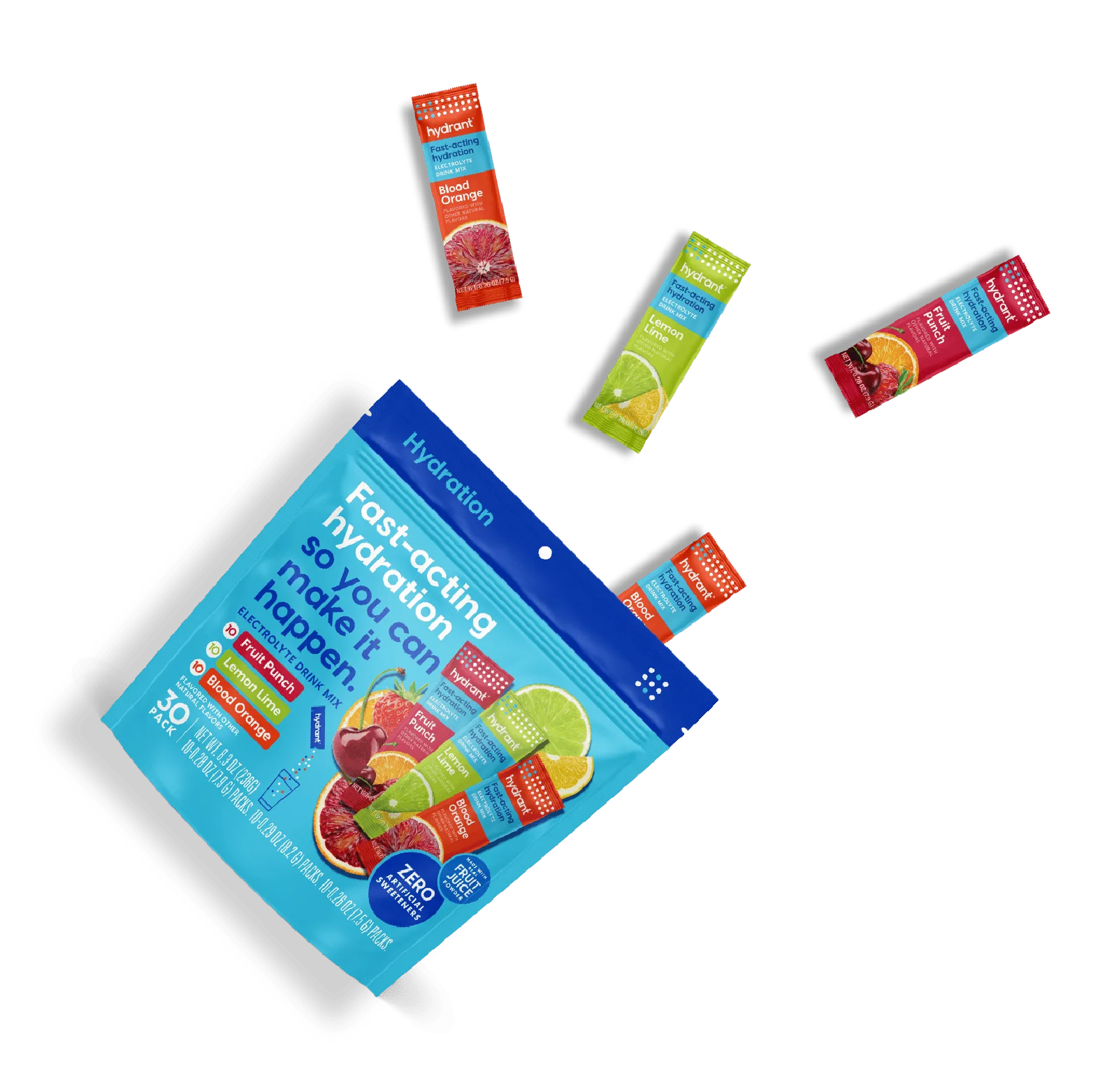
Magnesium is another star player. It acts as a natural calcium channel blocker, helping muscles relax after they contract. Without enough magnesium, your muscles may stay in a contracted state, leading to cramps. Calcium, while often overlooked, is essential for triggering muscle contractions — but too much or too little can disrupt the balance. A well-formulated hydration mix provides these electrolytes in the right proportions. For example, Hydrant Hydrate offers a science-backed blend of sodium, potassium, and magnesium to support rapid rehydration and muscle function.
- Look for a hydration product with at least 200–400 mg of sodium per serving for exercise-related cramp prevention.
- Magnesium citrate or glycinate are highly absorbable forms that support muscle relaxation.
- Avoid products with excessive sugar — it can slow fluid absorption and worsen dehydration.
How to Use Hydration Mixes to Prevent Cramps During Exercise
Timing and consistency matter when using electrolytes for cramp prevention. Drinking a hydration mix before exercise can pre-load your system with the minerals your muscles will need. During prolonged activity — especially in heat or humidity — sipping an electrolyte drink every 15–20 minutes helps replace losses in real time. After your workout, rehydrating with electrolytes supports recovery and reduces the risk of delayed-onset cramps.
For athletes and active individuals, a product like Hydrant ENERGY can be particularly useful. It combines caffeine and L-theanine for a jitter-free energy boost along with electrolytes to keep muscles firing properly. If you’re training in hot conditions or for more than an hour, consider adding an extra pinch of salt to your water or using a higher-sodium mix. Remember, plain water alone can dilute your electrolyte levels further, so always pair hydration with mineral replenishment.
- Drink 8–16 oz of an electrolyte mix 30 minutes before exercise for best results.
- During workouts longer than 60 minutes, consume 16–32 oz per hour of a balanced electrolyte drink.
- Post-exercise, rehydrate with a mix that includes both electrolytes and carbohydrates to speed recovery.
Preventing Nighttime Leg Cramps with Electrolytes and Sleep Support
Nighttime leg cramps are a common complaint, especially among older adults and athletes. These cramps often strike during sleep when muscles are relaxed and circulation slows. Electrolyte imbalances — particularly low magnesium and potassium — are frequently to blame. Dehydration accumulated throughout the day can also contribute. To reduce nighttime cramping, focus on consistent hydration and electrolyte intake in the hours leading up to bed.
A strategic approach is to use a hydration mix that also supports relaxation. For example, Hydrant SLEEP combines electrolytes with magnesium, GABA, and L-theanine — ingredients known to promote calmness and muscle relaxation. Drinking it about 30 minutes before bed can help replenish electrolytes while preparing your body for deep, restorative sleep. Stretching your calves and hamstrings before bed, along with staying hydrated during the day, can further reduce the frequency of nocturnal cramps.
- Magnesium supplementation (200–400 mg) before bed is a proven strategy for reducing nighttime leg cramps.
- Avoid alcohol and caffeine in the evening — both can dehydrate you and trigger cramps.
- Keep a water bottle with electrolytes on your nightstand for quick relief if a cramp strikes.
Choosing the Right Electrolyte Product for Cramp Prevention
With so many hydration products on the market, it’s important to choose one that aligns with your needs. For general daily hydration and cramp prevention, look for a mix that contains a balanced ratio of sodium, potassium, and magnesium — without artificial additives or excessive sugar. Unflavored options are great for those who prefer to add electrolytes to water without altering taste, while flavored mixes can make hydration more enjoyable.
For athletes, a product like Hydrant Hydrate provides a clinically studied electrolyte profile that supports rapid absorption. If you’re looking for an all-in-one solution, the Hydrant 8-Pack offers variety so you can match your hydration to your activity level. Remember, consistency is key — using electrolytes daily, not just when you feel a cramp coming on, builds a foundation of balanced hydration that keeps your muscles happy and healthy.
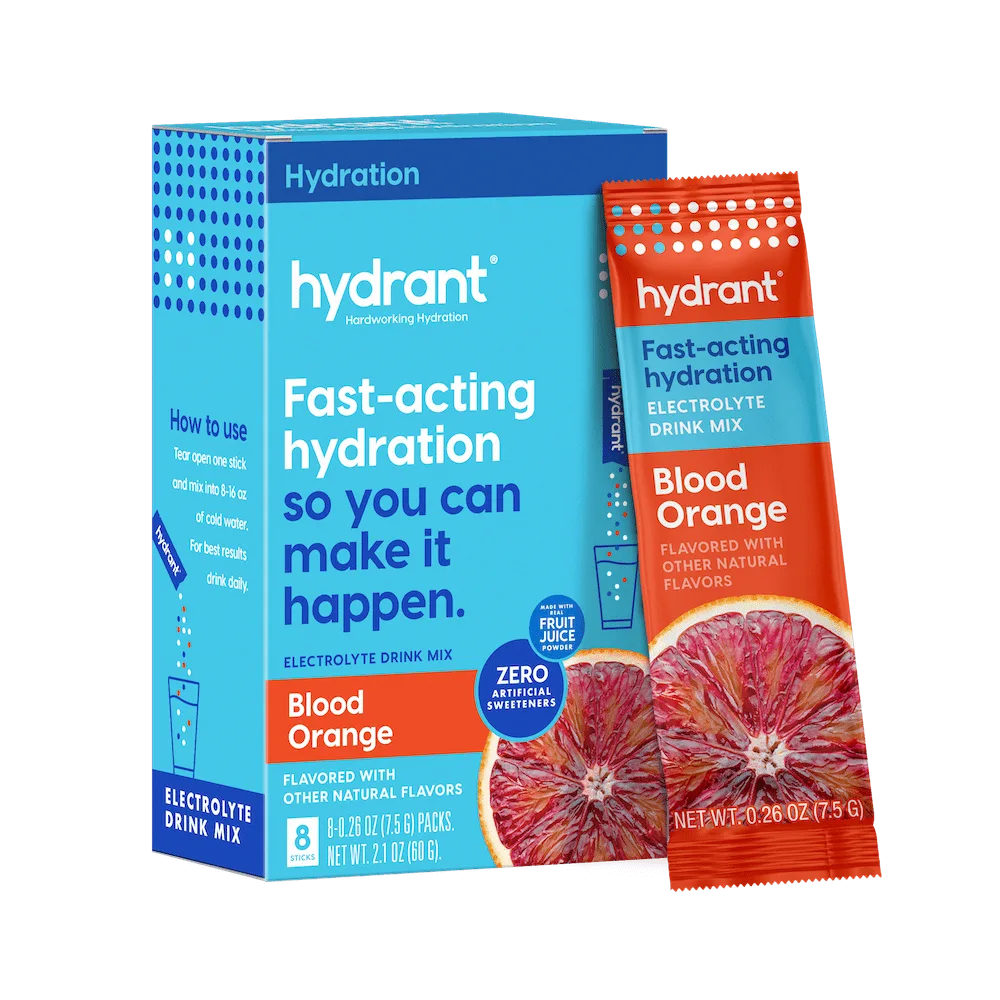
Hydrant 8-Pack
- Check the label for sodium content — aim for at least 300 mg per serving if you sweat heavily.
- Avoid products with high fructose corn syrup or artificial colors that can cause GI distress.
- Consider a subscription service to ensure you never run out of your go-to hydration mix.
Muscle cramps don’t have to be a regular part of your fitness or daily routine. By understanding the critical role electrolytes play in muscle function and taking proactive steps to maintain your balance, you can prevent cramps before they start. Whether you’re an endurance athlete, a weekend warrior, or someone who struggles with nighttime leg cramps, the right hydration strategy makes all the difference. Start with a high-quality electrolyte mix like Hydrant Hydrate and build a habit of consistent, balanced hydration — your muscles will thank you.