Acne and blackheads are among the most common skin concerns, affecting people of all ages. While there are countless products on the market, one ingredient stands out for its proven efficacy: salicylic acid. As a beta hydroxy acid (BHA), salicylic acid penetrates deep into pores to dissolve excess oil and dead skin cells, making it a cornerstone of effective acne treatment.
In this article, we’ll explore the science behind salicylic acid, how it compares to other exfoliants, and how you can use it to achieve clearer, smoother skin. Whether you’re dealing with stubborn blackheads or occasional breakouts, understanding this ingredient can transform your skincare routine.
What Is Salicylic Acid and How Does It Work?
Salicylic acid is a type of beta hydroxy acid derived from willow bark. Unlike alpha hydroxy acids (AHAs) which are water-soluble and work on the skin’s surface, salicylic acid is oil-soluble. This unique property allows it to penetrate deep into the pores, where it breaks down the bonds between dead skin cells and excess sebum. By doing so, it helps unclog pores, reduce inflammation, and prevent future breakouts.
Because of its ability to exfoliate inside the pore, salicylic acid is particularly effective for treating blackheads and whiteheads. It also has mild anti-inflammatory properties, which can help calm redness associated with active acne. This makes it a versatile ingredient for both comedonal and inflammatory acne.
- Oil-soluble: penetrates deep into pores to dissolve sebum and debris
- Exfoliates inside the follicle, preventing clogged pores
- Reduces inflammation and redness associated with acne
Salicylic Acid vs. Other Acne-Fighting Ingredients
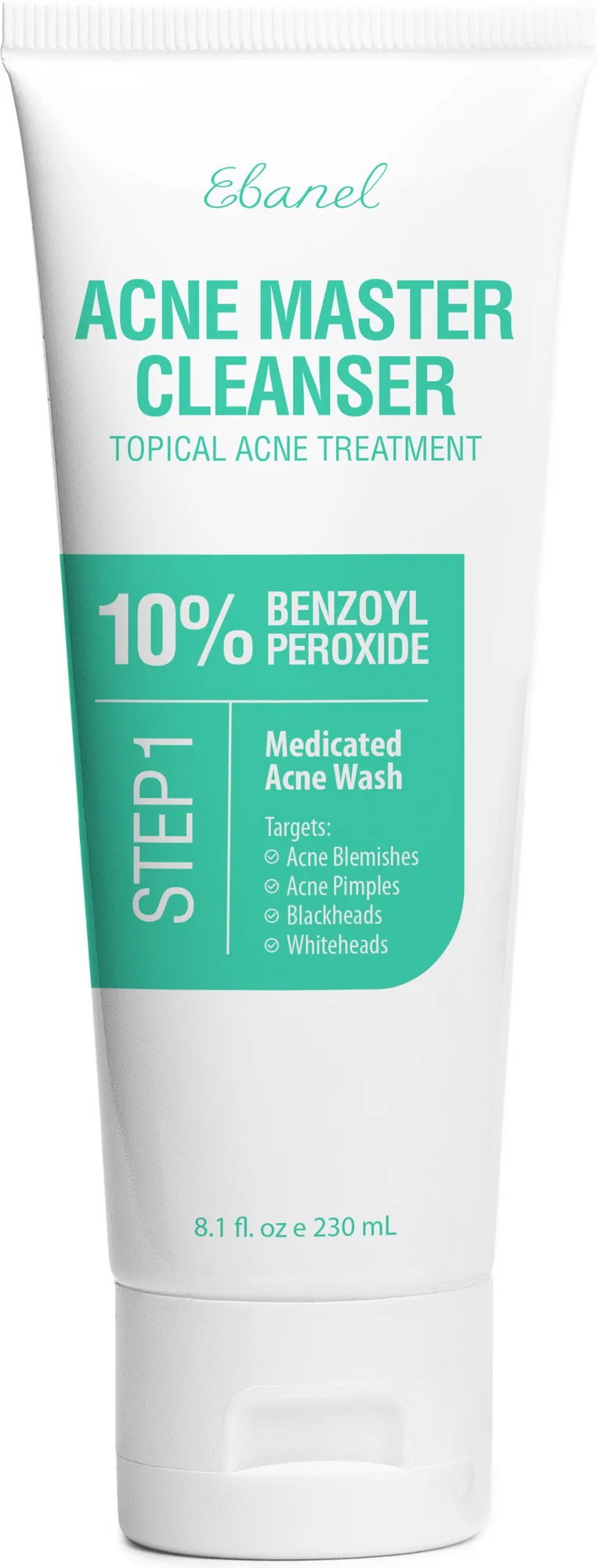
While salicylic acid is a star player, it’s not the only ingredient used to treat acne. Benzoyl peroxide kills acne-causing bacteria, but it can be drying and irritating. Retinoids like retinol speed up cell turnover but may cause purging. AHAs like glycolic acid exfoliate the skin’s surface but don’t penetrate pores as deeply.
For blackheads specifically, salicylic acid is often the first choice because it directly targets the clogged pore. Many dermatologists recommend using a BHA exfoliant like salicylic acid in combination with other treatments for a comprehensive approach. For example, pairing it with a gentle moisturizer can help maintain skin barrier function while keeping pores clear.
- Benzoyl peroxide: antibacterial, but can be drying
- Retinoids: increase cell turnover, may cause initial purging
- AHAs: surface exfoliation, less effective for deep pore congestion
How to Incorporate Salicylic Acid into Your Skincare Routine
When adding salicylic acid to your routine, start slowly to avoid irritation. A leave-on product like a serum or toner with 0.5% to 2% salicylic acid is ideal for daily use. Apply it after cleansing and before moisturizing. If you have sensitive skin, you can use it every other day and gradually increase frequency.
For a deeper treatment, consider using a weekly exfoliating mask or peeling gel that contains salicylic acid. Products like the Ultimate Brightening Peeling Gel can provide gentle exfoliation while helping to smooth skin texture. Always follow with a moisturizer and sunscreen during the day, as salicylic acid can increase sun sensitivity.
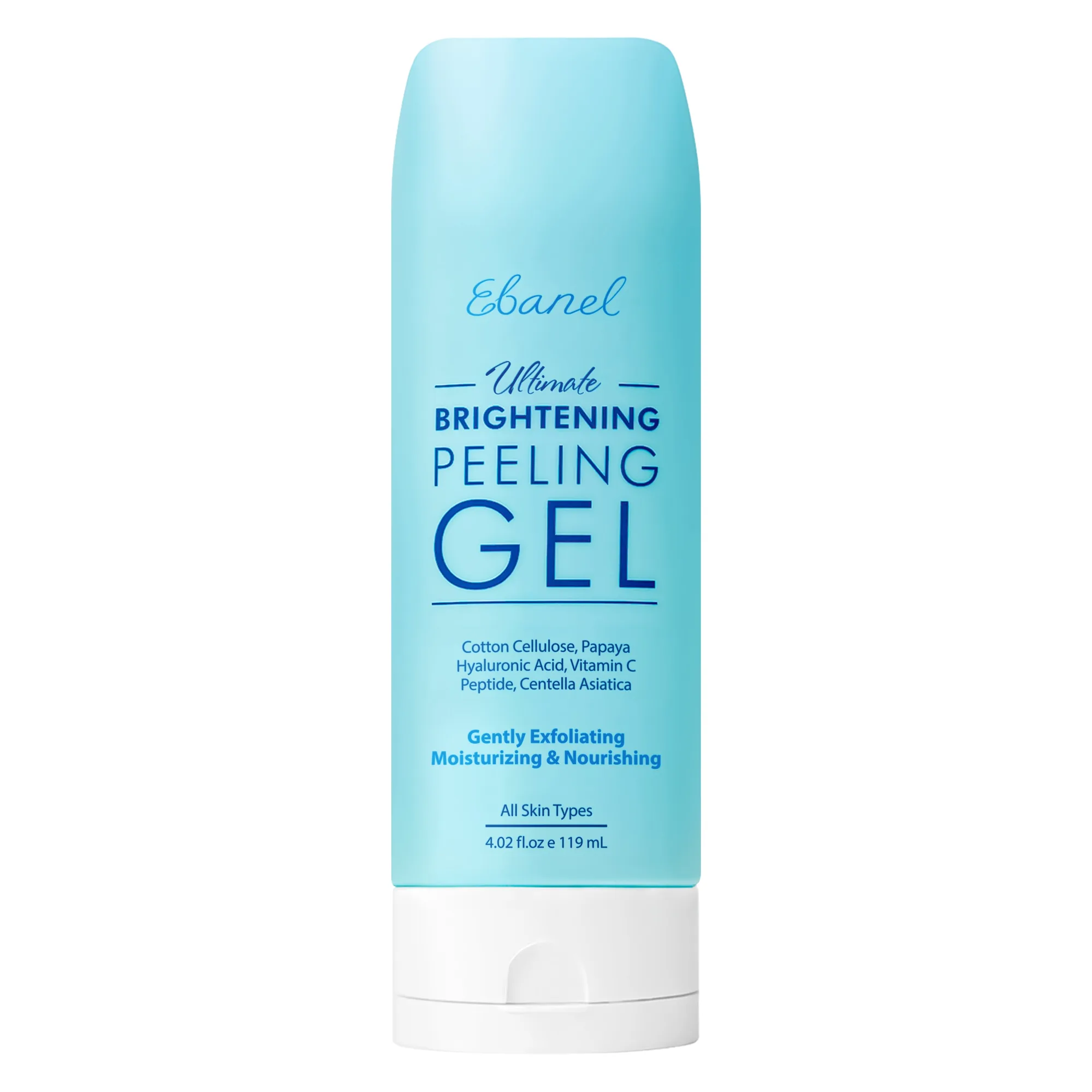
Ultimate Brightening Peeling Gel
- Start with 2-3 times per week, then increase as tolerated
- Use a leave-on product for consistent pore-clearing benefits
- Always wear sunscreen during the day when using exfoliating acids
Common Mistakes to Avoid When Using Salicylic Acid
One of the biggest mistakes people make is over-exfoliating. Using too many exfoliating products at once—like combining salicylic acid with scrubs or other acids—can damage the skin barrier and lead to irritation, redness, and breakouts. Stick to one exfoliating product per routine and listen to your skin.
Another mistake is not giving the product enough time to work. Salicylic acid can take several weeks to show visible results. Consistency is key. Also, avoid using salicylic acid on broken or irritated skin, as it can sting and worsen inflammation. If you experience excessive dryness, reduce frequency or layer with a hydrating moisturizer.
- Don’t combine with other exfoliants in the same routine
- Be patient: results typically appear after 4-6 weeks of consistent use
- Avoid using on sunburned or broken skin
Who Should Use Salicylic Acid?
Salicylic acid is suitable for most skin types, especially oily and combination skin prone to blackheads and acne. It can also benefit those with rough texture or clogged pores. However, people with very dry or sensitive skin should use it with caution and opt for lower concentrations.
Pregnant or breastfeeding individuals should consult a doctor before using salicylic acid, especially in higher concentrations. For those with severe acne, combining salicylic acid with other treatments like the Liposomal Retinol Peptide Serum can provide enhanced results by promoting cell turnover and reducing breakouts over time.
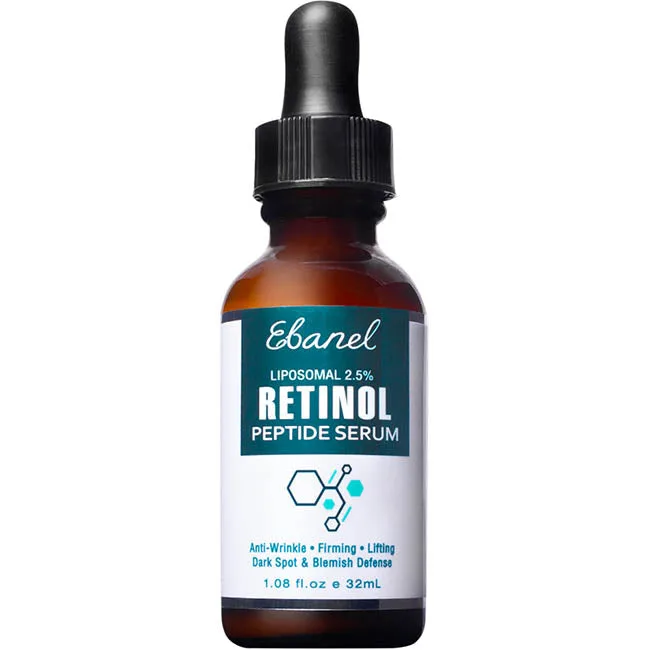
Liposomal Retinol Peptide Serum
- Best for oily, combination, and acne-prone skin
- Use lower concentrations (0.5-1%) for sensitive skin
- Consult a dermatologist if you have severe or cystic acne
Salicylic acid remains one of the most effective and well-studied ingredients for treating acne and blackheads. By understanding how it works and using it correctly, you can achieve clearer, smoother skin without irritation. Start with a gentle BHA product, be consistent, and always protect your skin with sunscreen. For a complete exfoliating experience, consider adding the Ultimate Brightening Peeling Gel to your weekly routine to gently slough away dead skin cells and reveal a brighter complexion.