When we think of WWII Marine field operations, images of amphibious landings, jungle patrols, and intense firefights come to mind. Yet behind every successful campaign was a piece of gear so fundamental that it often goes unnoticed: the shelter half. This simple canvas tarp, when paired with a buddy's half, formed a two-man pup tent that shielded Marines from rain, mud, and freezing temperatures across the Pacific theater. More than just a rain fly, the shelter half was a force multiplier that allowed Marines to rest, recover, and fight another day.
For collectors and reenactors today, understanding the shelter half's role in USMC gear history is essential to building an authentic impression. While many focus on helmets, rifles, and packs, the shelter half represents the everyday reality of life in the field. In this article, we’ll explore how this humble item supported Marine field ops, from Guadalcanal to Okinawa, and why it remains a must-have for any serious WWII impression.
The Shelter Half: A Design Born from Necessity
The shelter half was a rectangular piece of waterproofed cotton canvas, typically olive drab or khaki, measuring about 5 feet 4 inches by 6 feet 8 inches. Each half featured grommets along the edges and a center seam that allowed two halves to be buttoned together to form a tent. The design was simple but effective: it could be pitched quickly using two poles (often improvised from tree branches) and a few stakes, providing a dry space for two men to sleep or store gear.
For Marines operating in the Pacific, the shelter half was a lifesaver. Torrential rains on islands like Guadalcanal and New Georgia could turn foxholes into mud pits. A properly pitched shelter half kept packs, weapons, and ammunition dry—critical for maintaining combat readiness. The tent also offered some protection from mosquitoes and other insects, though it was far from airtight. Despite its limitations, the shelter half was lighter and more portable than a full tent, making it ideal for rapid movement through dense jungle.
- Each shelter half weighed approximately 2 pounds, making it easy to carry in a pack or bedroll.
- The canvas was treated with a waterproofing compound, but repeated wetting and drying could reduce its effectiveness over time.
- Marines often learned to pitch their shelter halves in pairs, with one man carrying the half and the other carrying the poles and stakes.
Integration into Marine Field Operations
In Marine field ops, the shelter half was more than just a sleeping arrangement. It served as a command post cover, a sunshade during tropical heat, a ground cloth for map reading, and even an improvised stretcher in emergencies. Its versatility made it a staple of USMC gear throughout the war. During the Battle of Peleliu, for example, Marines used shelter halves to create makeshift aid stations and to cover ammunition caches from the relentless sun.
The shelter half also played a psychological role. After a grueling day of combat, the simple act of pitching a tent with a buddy provided a sense of normalcy and protection. It was a small piece of home in a hostile environment. For reenactors today, including a reproduction shelter half in your kit is not just about accuracy—it’s about honoring the resourcefulness of the Marines who relied on it. Pairing it with other authentic items, such as a https://wildernessworks.shop/products/m1910-canteen-cover-99278M1910 Canteen Cover or a set of https://wildernessworks.shop/products/k98-pouches-black-pair-99354K98 Pouches, Black (pair) for a German impression, can elevate your display.
- Always carry a spare set of tent stakes and poles when reenacting; originals are fragile and hard to replace.
- Practice pitching your shelter half in under two minutes—it was a standard drill for Marines.
- Consider adding a shelter half to your living history display to show how Marines slept and stored gear in the field.
Collecting and Caring for Vintage Shelter Halves
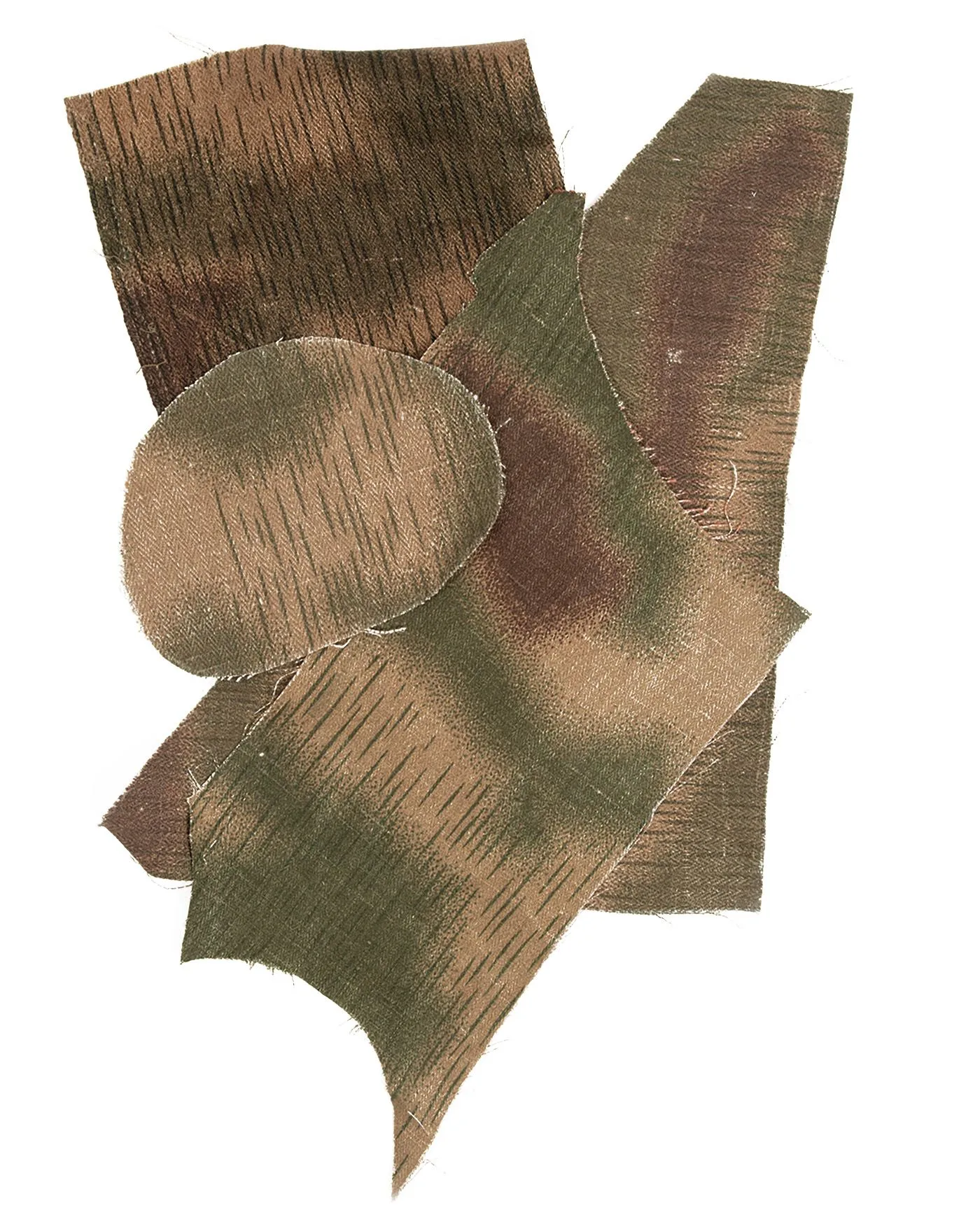
Original WWII shelter halves are highly sought after by collectors. They are typically stamped with the manufacturer’s name, the date of production, and sometimes the unit that issued them. Common manufacturers include the United States Rubber Company, the B.F. Goodrich Company, and the Hodgman Rubber Company. When inspecting a vintage shelter half, look for intact grommets, a strong center seam, and minimal rot or mildew. Original Marsh Camo Scrap Fabric Bag items can sometimes be found with shelter halves, offering a unique glimpse into field modifications.
Caring for a vintage shelter half requires gentle handling. Avoid machine washing; instead, spot clean with mild soap and cold water. Store it in a cool, dry place away from direct sunlight to prevent fabric degradation. If you plan to use it for reenactment, consider a high-quality reproduction to preserve the original. For those building a complete WWII USMC impression, the shelter half is a foundational piece that ties together the rest of your gear.
- Never fold a vintage shelter half along the same crease repeatedly; this weakens the fabric.
- Use a UV-protective spray on reproductions to extend their life in sunny conditions.
- Check the grommets for rust or cracking; replacing them can restore functionality but may reduce collector value.
The Shelter Half in Modern Reenactment and Living History
Today, the shelter half remains a popular item among WWII reenactors and living historians. It is one of the few pieces of gear that is equally useful for US, British, and German impressions, as many armies adopted similar designs. For Marine reenactors, the shelter half is essential for portraying the Pacific theater accurately. It also pairs well with other period-correct items like the Tall M42 Smock, Blurred Edge for airborne impressions or the MG Gunners Pouch, Black for machine gun teams.
When setting up a camp for a living history event, a row of shelter halves creates an authentic and immersive atmosphere. It also sparks conversation with visitors, who are often surprised by how simple and effective the design is. For the collector, the shelter half represents a tangible link to the daily life of the WWII Marine—a reminder that even the smallest pieces of gear played a crucial role in the war effort.
- Pair your shelter half with a period-correct bedroll and ground cloth for a complete sleep system.
- Use natural materials like branches for poles to enhance authenticity in your camp.
- Demonstrate pitching a shelter half at living history events to engage the public.
The shelter half may not be the most glamorous piece of USMC gear, but its importance in Marine field operations cannot be overstated. From keeping ammunition dry on Guadalcanal to providing shade on Iwo Jima, it was a constant companion to the fighting man. Whether you are a collector, reenactor, or historian, adding a shelter half to your kit brings you one step closer to the authentic WWII experience. Explore our selection of reproduction and original gear, including the Original Cut Down M1905 Bayonet, Grade 2, to complete your impression and honor the legacy of the Marines who carried these items into battle.