When you sip a cup of tea, you might notice hints of honey, stone fruit, or even a subtle mineral finish. These flavors don't come from added ingredients—they come from the land where the tea was grown. Just like wine, tea has terroir: the unique combination of soil, climate, altitude, and cultivation practices that imprints a signature taste on every leaf. Understanding tea terroir can transform the way you brew and choose your teas, turning each cup into a journey through a specific mountain slope or valley.
In this article, we’ll explore the key elements of tea terroir, how they influence taste, and what to look for when selecting teas from different growing regions. Whether you’re a seasoned tea lover or just beginning to explore loose leaf blends, recognizing the role of terroir will deepen your appreciation for every sip.
What Is Tea Terroir?
Terroir is a French term originally used in winemaking to describe the environmental factors that affect a crop’s character. For tea, terroir encompasses soil composition, climate, rainfall, altitude, and even the surrounding vegetation. These elements interact with the tea plant (Camellia sinensis) to influence the development of antioxidants, amino acids, and volatile compounds that create aroma and flavor.
For example, teas grown in high-altitude regions like Darjeeling often develop a muscatel sweetness and floral notes, while lowland teas from Assam tend to be bold, malty, and brisk. The same variety of tea plant can produce dramatically different cups depending on where it’s grown. This is why two green teas—one from Japan and one from China—taste nothing alike, even when processed similarly.
- Soil: Mineral-rich volcanic soils can add a creamy or stony note, while sandy soils yield lighter, more delicate flavors.
- Climate: Cooler temperatures slow leaf growth, concentrating flavor compounds; warmer climates produce faster growth and bolder profiles.
- Altitude: Higher elevations often mean more complex, nuanced teas with higher umami content.
- Rainfall: Consistent, moderate rainfall supports steady growth; heavy rain can dilute flavor.
Key Tea Growing Regions and Their Signature Tastes
Each tea-growing region has a distinct terroir that shapes its most famous styles. In China, the misty mountains of Fujian produce oolongs with a creamy, floral character, while Yunnan’s high-altitude forests yield earthy, sweet pu-erh teas. Japan’s volcanic soils and temperate climate create shaded green teas like gyokuro, rich in chlorophyll and umami. India’s Darjeeling region, with its cool Himalayan slopes, gives black teas a light, fruity complexity—often called the “champagne of teas.”
Even within a single country, terroir varies. For instance, the same tea cultivar grown in Sri Lanka’s lowlands (Dimbula) versus its highlands (Nuwara Eliya) will produce cups that range from strong and brisk to light and floral. When you shop for loose leaf tea, paying attention to the origin can guide you toward flavors you love. A tea like Earl Grey Tea Powder, for example, starts with a base black tea from a specific region—often Sri Lanka or China—whose terroir contributes to the final cup’s body and finish.
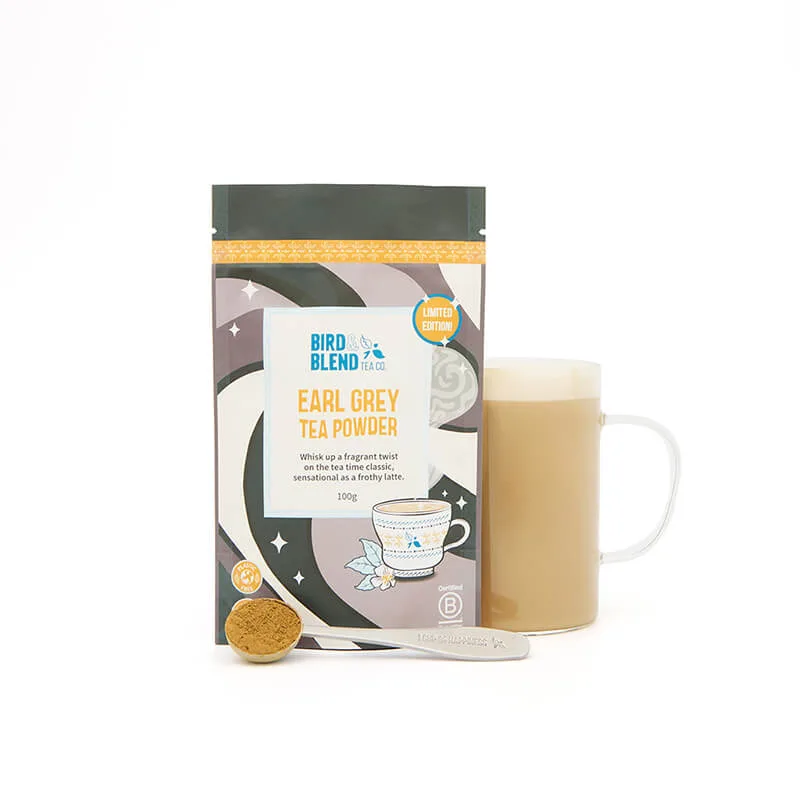
Earl Grey Tea Powder
- Darjeeling, India: Muscatel, floral, light body
- Uji, Japan: Rich umami, marine notes, creamy texture
- Wuyi Mountains, China: Mineral, roasted stone fruit, lingering finish
- Assam, India: Malty, full-bodied, brisk
How to Taste Terroir in Your Tea
To appreciate tea terroir, start by comparing two teas from different regions but with similar processing (e.g., two unflavored black teas). Brew them side by side using the same water temperature and steeping time. Notice the aroma: is it floral, fruity, earthy, or toasty? Then taste—does the tea feel light and crisp or heavy and syrupy? The finish (aftertaste) can also reveal terroir: a high-quality Darjeeling might leave a lingering floral note, while a Yunnan black tea often has a sweet, honeyed finish.
Flavored blends can also highlight terroir when the base tea is carefully chosen. For example, a blend like Caramel Earl Grey Tea uses a classic Earl Grey base—typically a black tea from Sri Lanka or China—whose natural briskness pairs perfectly with caramel and bergamot. The terroir of the base tea provides structure, ensuring the flavors are balanced rather than overpowering. Similarly, a blend like Summer in the Garden Tea might use a green tea base from China or Japan, where the grassy, vegetal notes complement fruity and floral additions.
- Use filtered water to avoid masking subtle flavors.
- Try a vertical tasting: two teas from the same region but different altitudes.
- Keep a tasting journal to note aroma, flavor, body, and finish.
Why Terroir Matters for Tea Lovers
Understanding terroir helps you make informed choices when buying tea. If you love bold, malty flavors, you’ll gravitate toward Assam or Ceylon teas. If you prefer delicate, floral notes, Darjeeling or high-mountain oolongs will suit you. Terroir also explains why some teas pair beautifully with food—a bright, acidic tea from Sri Lanka can cut through creamy desserts, while an earthy pu-erh complements rich meats.
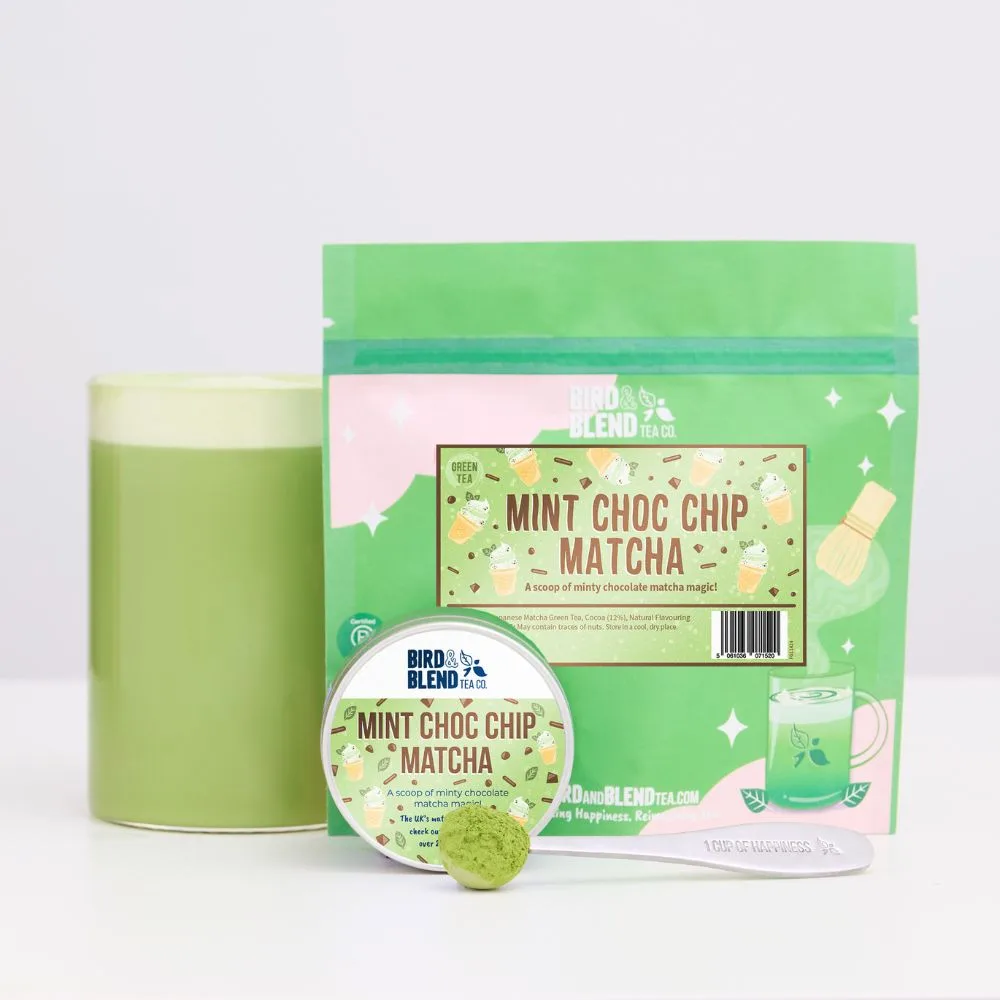
For matcha lovers, terroir is especially critical. Japanese matcha is almost exclusively grown in shaded fields in regions like Uji, Kagoshima, or Shizuoka. The volcanic soil and careful shading produce the vibrant green color and creamy umami that define high-quality matcha. A product like Blueberry & Acai Super Matcha Mini Tin uses a premium Japanese matcha base, where the terroir ensures a smooth, sweet foundation for the fruit flavors. Even a flavored matcha like Mint Choc Chip Matcha relies on a quality base matcha whose terroir provides the creamy texture and balanced bitterness that makes the blend work.
- Check the origin on tea packaging—single-origin teas often have stronger terroir expression.
- Experiment with teas from lesser-known regions like Taiwan or Nepal for unique profiles.
- Store teas away from light and heat to preserve delicate terroir-derived aromas.
Next time you brew a cup, take a moment to consider the journey that tea leaf made from a distant mountain to your mug. Terroir is the invisible story behind every sip—a story of soil, sun, and careful cultivation. By exploring teas from different origins, you can discover new favorite flavors and deepen your connection to the world of tea. Ready to taste the difference? Explore our collection of single-origin and blended teas, and let the terroir speak to you.