Why rolled gauze earns a spot in your IFAK
Rolled gauze is a versatile staple for trauma kits and first aid kits because it conforms to difficult areas, secures dressings, and can be used for wrapping or padding. Unlike gauze pads, which are typically flat and square, rolled gauze comes as a continuous strip that stretches and stays in place without restricting movement. That makes it useful for securing a dressing on a limb or holding a pad over a wound.
Archangel Tactical Gear’s Rolled Gauze measures 4 inches by 4 yards, giving you generous coverage for multiple applications. It’s soft, breathable, and stretchable, so it works well for extended wear and promotes airflow while protecting the wound. For an IFAK, that combination of size and flexibility means you can handle a range of injuries with a single supply.
Rolled Gauze at a glance
-
Rolled Gauze - Archangel Tactical Gear: 4” x 4 yards roll, soft, stretchable, and breathable. The length lets you wrap multiple layers or secure a dressing on different body parts, while the breathable material helps keep the wound area from becoming overly moist.
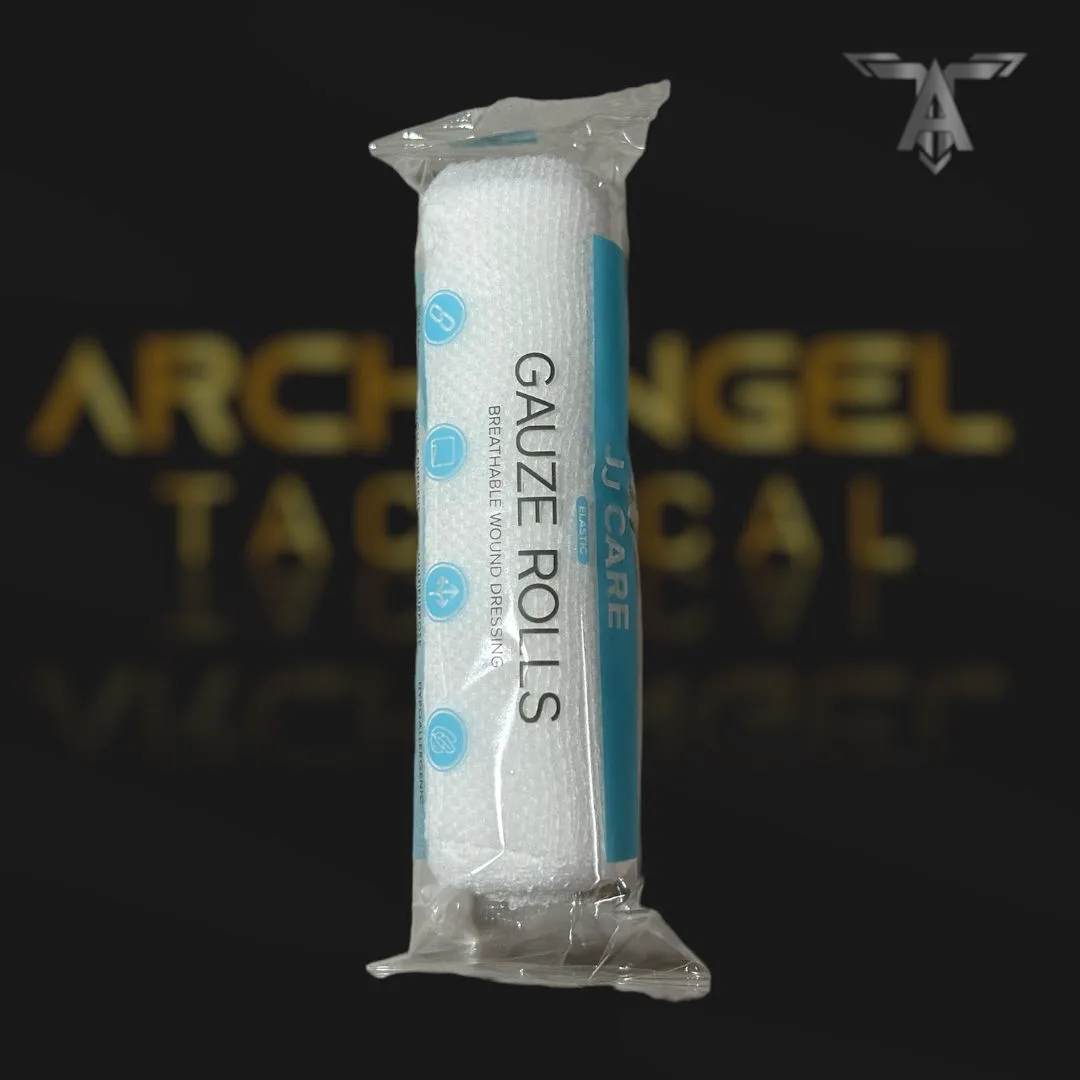
Rolled Gauze - Archangel Tactical Gear
-
Rolled Gauze - Archangel Tactical Gear: Ideal for securing dressings, supporting wounds, or stabilizing injuries. This matches the core functions you need in an IFAK: hold a dressing in place, provide light support, and adapt to irregular shapes.
How to pack rolled gauze in your IFAK
Packing your IFAK so gauze is accessible and protected takes a few minutes. Follow these steps to keep your rolled gauze ready without wasting space.
- Keep the roll in its original wrap until use: The supplied product information does not specify a sterile barrier, but keeping the gauze in its packaging protects it from dirt and moisture. Leave it wrapped until you need it.
- Place it in a dedicated pocket or pouch: Choose a compartment where the roll won’t get crushed or unrolled. A small stuff sack or elastic loop works well. Avoid cramming it next to sharp objects that could snag the gauze.
- Position for quick access: Put the gauze near the top of your IFAK or in an exterior pouch so you can grab it without unpacking the entire kit. In an emergency, seconds matter.
- Check the roll periodically: Inspect the gauze every few months for signs of damage or contamination. If the packaging is torn or the gauze looks dirty, replace it. The catalog does not specify a shelf life, so use your judgment based on storage conditions.
Using rolled gauze as a pressure dressing
Rolled gauze can serve as a pressure dressing when you need to apply sustained pressure to control bleeding. The stretchable material lets you wrap firmly over a wound, and the 4-inch width covers a good surface area. Start by placing a sterile pad or clean cloth directly on the wound, then wrap the gauze over it, applying pressure as you go. The gauze should be snug but not so tight that it cuts off circulation—you should be able to slip a finger under the wrap.
Because the gauze is breathable, it allows airflow while maintaining pressure. For wounds on joints or irregular areas, the stretch helps the wrap conform without slipping. Remember that rolled gauze is not a substitute for a dedicated tourniquet or hemostatic agent when those are indicated; it’s a versatile tool for securing dressings and providing moderate pressure.
Rolled gauze vs gauze pads: which to pack?
Both have a place in a well-stocked IFAK, but they serve different purposes. Use this comparison to decide what to carry.
- Rolled gauze: Best for wrapping, securing, and applying pressure over a dressing. Conforms to limbs and irregular shapes. Can be cut to length. Takes up more space than a few pads but offers more flexibility.
- Gauze pads: Best for direct coverage of a wound. Typically flat and square, easy to stack for absorbency. Less effective for wrapping or securing without tape. Pack several sizes for different wound types.
Storage tips for tactical med kit gauze
Keep your rolled gauze ready for use with these storage practices:
- Avoid extreme temperatures: Store your IFAK in a cool, dry place. Heat and moisture can degrade the gauze over time.
- Protect from compression: Don’t stack heavy items on top of the gauze roll; it can flatten and become harder to wrap.
- Label the pouch: Mark the compartment or pouch so you can find the gauze quickly, especially if other items look similar.
- Rotate stock: If you use gauze from your kit, replace it promptly. Keep a spare roll in your range bag or vehicle kit.
When to reach for rolled gauze
Rolled gauze shines when you need to secure a dressing, support a wound, or apply pressure. It’s also handy for padding splints or improvising a sling. In an IFAK, it complements gauze pads and hemostatic agents. If you’re building a kit from scratch, include at least one roll of rolled gauze alongside pads and tape. The Archangel Tactical Gear Rolled Gauze offers a practical size and soft, breathable construction that suits both trauma kits and everyday first aid.