What the Rooibos Lemon pack actually confirms
Rooibos Lemon from Tavalon is a super grade rooibos tea mixed with natural lemon and mint flavour. The pack describes it as a caffeine-free herbal infusion with mild, sweet and fruity character, and lists rooibos, natural lemon flavour and natural mint flavour as the ingredients.
That short list is the benchmark for the myths below. Where a claim goes beyond the pack, this article says so rather than filling the gap with guesswork.
Pack details worth checking before you brew
-
Rooibos Lemon: Ingredients: rooibos, natural lemon flavour, natural mint flavour. Lets you judge citrus and mint claims against the actual flavour sources named on the pack.
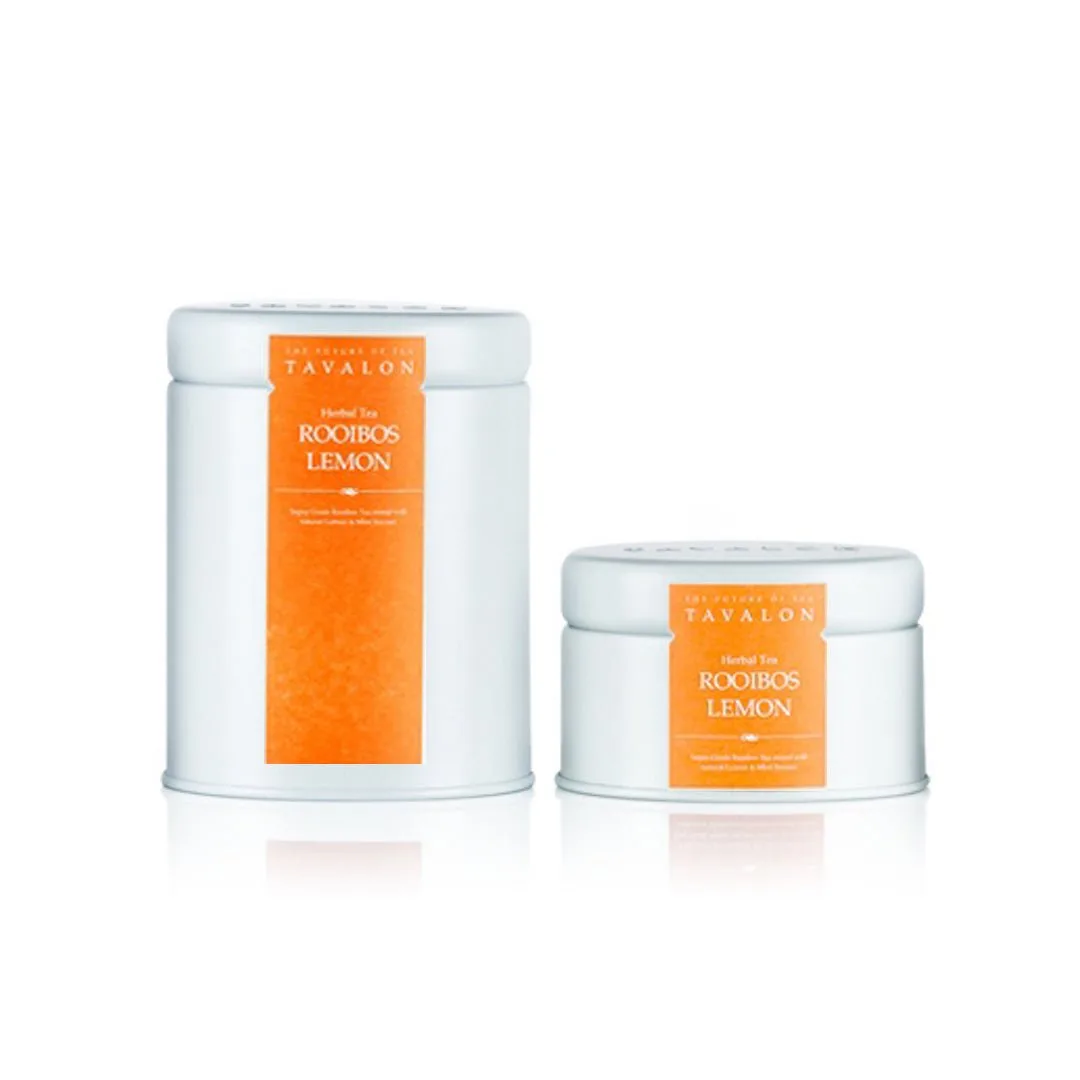
Rooibos Lemon
-
Rooibos Lemon: Described as a caffeine-free herbal infusion. This is the pack's own wording, so it is the claim to rely on rather than a general assumption about all herbal teas.
-
Rooibos Lemon: Steeping suggestion: 1 tsp loose tea in 240 ml water (100oC), steep 5 minutes. Gives a concrete starting point for the steeping-time myth instead of a vague 'a few minutes'.
Four rooibos tea myths, checked against the pack
- Myth: all rooibos blends are automatically caffeine-free: The pack describes Rooibos Lemon itself as a caffeine-free herbal infusion. That is a statement about this blend, not a blanket rule for every rooibos product on the market. Read the ingredients of any blend you buy rather than assuming.
- Myth: you must steep rooibos for ten minutes or more: The pack's steeping suggestion is 5 minutes with 1 tsp in 240 ml water. Treat longer times as a personal preference to test, not a requirement. If you want a stronger cup, the pack gives no instruction for increasing the dose, so change one variable at a time and taste as you go.
- Myth: lemon and mint in the name means fresh fruit or leaves: The ingredients list natural lemon flavour and natural mint flavour alongside rooibos. There is no fresh lemon or mint leaf in the supplied ingredient list. Expect a flavoured rooibos, not a fruit-and-herb blend.
- Myth: rooibos needs a rolling boil and a long stand to be safe: The pack gives 100oC water and a 5-minute steep as its suggestion. It does not provide separate safety instructions, and nothing in the supplied information supports extra boiling or extended standing as a requirement.
How long to steep rooibos: start at five minutes
If you are new to loose leaf rooibos, measure 1 tsp into a strainer, add 240 ml of water at 100oC and set a timer for 5 minutes. That is the only steeping instruction supplied for Rooibos Lemon, so it is the sensible first cup.
Taste before you change anything. If the cup seems light, the honest next step is to try a slightly longer steep or a little more leaf on your next brew and compare, because the pack does not publish a stronger-brew recipe. If it seems too strong, shorten the steep rather than adding more water, which would dilute the lemon and mint along with the rooibos.
Practical tips for a cleaner caffeine-free cup
- Measure the leaf, not the spoon heaped: The pack suggests 1 tsp. A level teaspoon keeps your cup consistent from day to day, which makes it easier to tell whether a change in steeping time actually helped.
- Use the water volume as written: 240 ml is roughly a standard mug. Brewing in a much larger pot without adjusting the leaf will give a weaker cup, and the pack offers no scaling guidance beyond the single-serve suggestion.
- Expect colour variation between batches: The pack notes that actual appearance and colour may vary slightly due to seasonal batch differences. A darker or lighter dry leaf is not automatically a fault.
- Ignore the reference image for judging the leaf: The pack states the image is for reference only. Judge your tea by the brewed cup, not by how closely the photo matches.
Loose leaf rooibos storage: what the pack does and does not say
The supplied product information does not include a shelf life, a storage temperature or a use-by instruction. That is a gap in the available evidence, not a sign that the tea is fragile. Keep the pouch closed between brews, store it away from strong smells and damp, and use the pack size that matches how often you drink it.
Rooibos Lemon comes in a small pouch of 84g (approximately 42 cups), a large pouch of 200g (approximately 100 cups), a bulk 700g option (approximately 350 cups), and small or large pouches with a tin. The cup counts are the pack's own approximations, so they are a useful guide to how long a pouch will last rather than a promise.
Choosing a pack size without overbuying
- Small pouch, 84g: Approximately 42 cups. A reasonable starting point if you are trying Rooibos Lemon for the first time or drink one cup most days.
- Large pouch, 200g: Approximately 100 cups. Better suited to a household that already knows it likes the lemon-mint profile and brews regularly.
- Bulk 700g: Approximately 350 cups. Only makes sense if you have cool, dry storage space and a steady habit, since the pack gives no shelf-life guidance to help you plan beyond that.
- Pouch plus tin options: The 84g and 200g sizes are also offered with a tin. Choose a tin if you want a rigid container for daily use; the pack does not make any freshness claim about the tin itself.
What to do with the claims the pack leaves open
Rooibos Lemon is described as caffeine-free, mild, sweet and fruity, with natural lemon and mint flavour. Those are the claims you can check against the pack. Questions about specific health effects, allergen status, shelf life or suitability for a particular diet are not answered by the supplied information, so treat any confident answer you read elsewhere with caution.
The practical approach is simple: brew it as suggested, taste it, and adjust only the steeping time or leaf quantity on your next cup. That gives you a reliable personal recipe without relying on myths.