Quick answer
Choose red rooibos for a sweeter, rounder cup that takes milk well; choose green rooibos for a lighter, less piney taste closer to the fresh plant. Both are naturally caffeine free, so the decision comes down to flavor and how you plan to drink it.
Why oxidation changes the cup
Red and green rooibos come from the same South African plant. The difference is oxidation: red rooibos is allowed to oxidize, which develops its familiar red color and rounded, sweet undertones. Green rooibos is picked and processed to stay un-oxidized, so it keeps a greener character and a sweeter, less piney taste.
That single processing choice explains most of the flavor gap. If you have found red rooibos a little heavy or want a lighter caffeine-free tea for daytime sipping, green rooibos is the gentler option. If you want the classic red tea taste, stick with red.
Astringency and what you add to the cup
Red rooibos is described as low astringent and sweet with rounded undertones, which is why it stands up to a splash of milk and sugar without turning sharp. Green rooibos is sweeter and less piney, so it works best plain or with only a light sweetener where you want the leaf to show through.
Neither tea is bitter in the way a strong black tea can be, but green rooibos rewards a shorter steep if you want the lightest possible cup. Treat the additions as a guide: milk suits red rooibos, while green rooibos is easier to enjoy without it.
Trade-offs at a glance
- Flavor profile: Red rooibos gives a sweeter, rounded red-tea taste; green rooibos is sweeter and less piney because it is un-oxidized. Pick green if you dislike piney notes; pick red if you want the classic rooibos flavor.
- Milk and sweetener: Red rooibos is low astringent and handles a splash of milk and sugar well; green rooibos is best plain or lightly sweetened. If you drink tea with milk, red rooibos is the more natural fit.
- Brewing approach: Brew either loose leaf in freshly boiled water, but steep green rooibos for a shorter time to keep the cup light; red rooibos can take a longer steep without turning harsh. Start with a shorter steep for green and adjust upward to taste.
Product facts
-
Organic South African Green Rooibos - Loose Leaf Tea: Green rooibos is harvested from the same plant as red rooibos but kept un-oxidized, giving a sweeter, less piney taste. If you want a lighter caffeine-free cup without the deeper red-tea flavor, this is the one to try first.
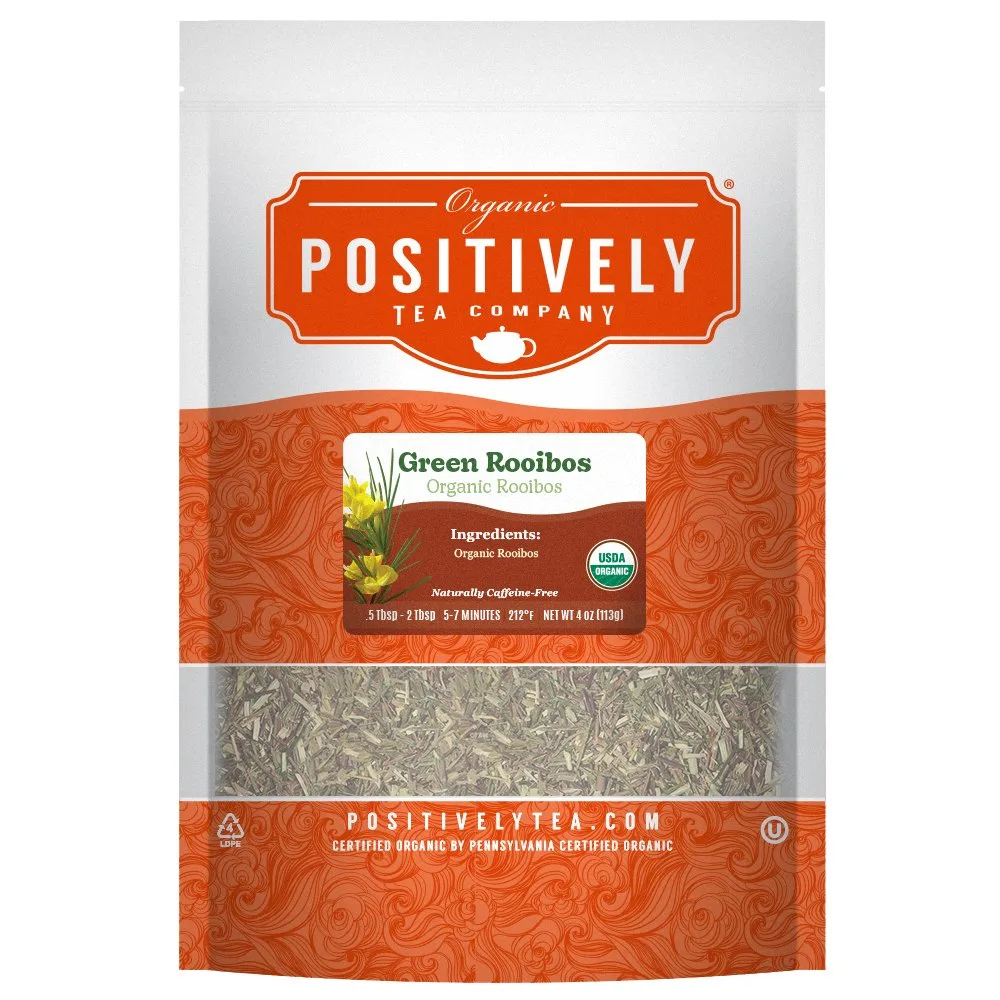
Organic South African Green Rooibos - Loose Leaf Tea
-
Organic South African Rooibos - Loose Leaf Tea: Red rooibos is naturally caffeine free, low astringent, and sweet with rounded undertones; it is good plain or with milk and sugar. It is the safer pick when you want a familiar red tea that still tastes good with milk.
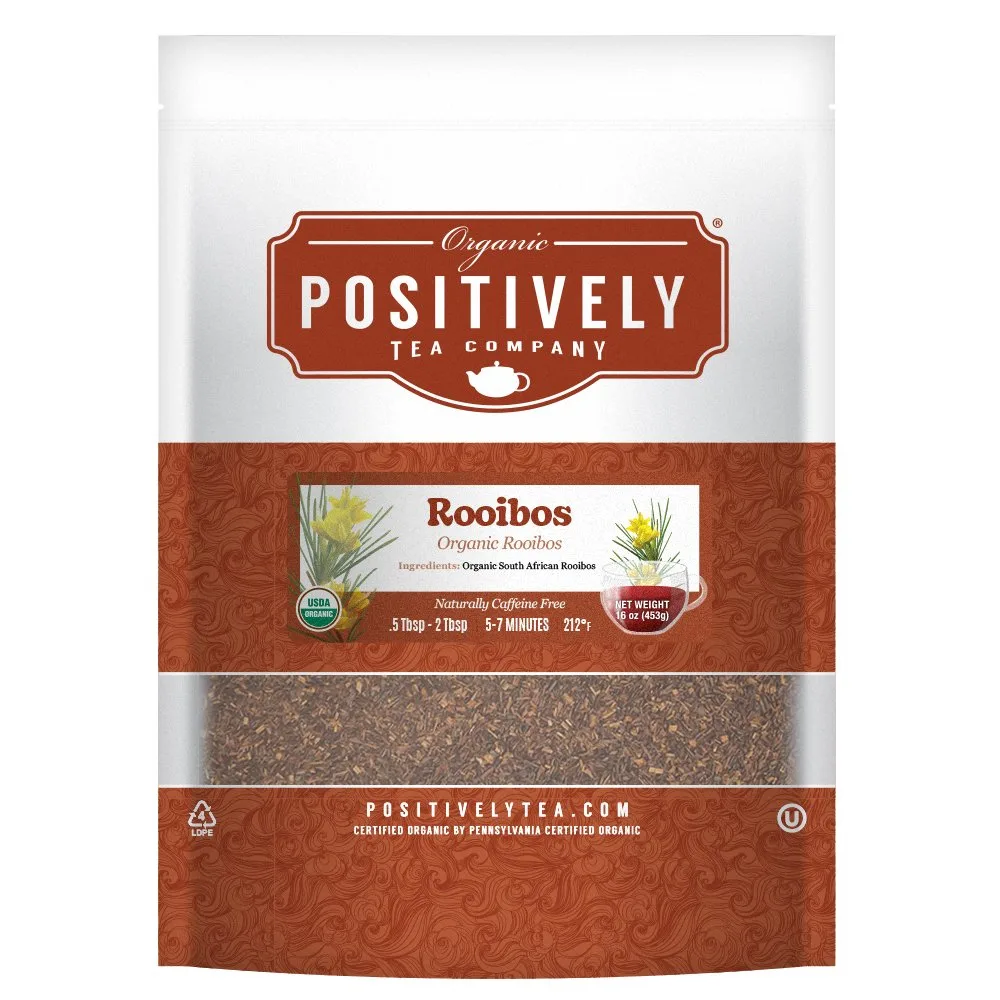
Organic South African Rooibos - Loose Leaf Tea
Which should you choose?
Best for
- Drinkers who want a caffeine-free red tea that works with milk and sugar
- Anyone looking for the familiar sweet, rounded rooibos taste
Not for
- People who want the lightest, least piney caffeine-free cup — choose green rooibos instead
- Drinkers who prefer a plain tea without milk — green rooibos is easier to enjoy that way