Quick Answer
Rooibos is a type of herbal tea, but it's unique because it comes from the rooibos plant in South Africa, not from the Camellia sinensis tea plant. It's naturally caffeine-free, with a sweet, nutty flavor that differs from floral or minty herbal teas. Choose rooibos for a rich, smooth brew; opt for other herbal teas when you want specific flavors like chamomile's calm or peppermint's zing.
When you're browsing the tea aisle, the terms 'rooibos' and 'herbal tea' often appear together, leaving many to wonder if they're the same thing. In short, all rooibos is herbal tea, but not all herbal teas are rooibos. Understanding the distinction helps you pick the right brew for your mood, time of day, and health goals.
Herbal teas, also known as tisanes, are infusions made from dried fruits, flowers, herbs, or spices. They are naturally caffeine-free and offer a wide range of flavors. Rooibos, pronounced 'roy-boss,' is a specific herbal tea crafted from the leaves of the Aspalathus linearis plant, native to South Africa's Western Cape region. Its unique processing gives it a distinctive reddish-brown color and a naturally sweet, slightly woody taste.
What Makes Rooibos Different from Other Herbal Teas?
The most obvious difference is the source. While chamomile tea is made purely from chamomile flowers, and peppermint tea from peppermint leaves, rooibos comes from a single plant species. This gives rooibos a consistent, recognizable flavor profile that's often described as smooth, nutty, and slightly sweet, with hints of vanilla or caramel. In contrast, herbal teas can vary widely depending on the blend, from floral and delicate to bold and spicy.
Another key difference is the body and mouthfeel. Rooibos tends to have a fuller, more robust body compared to lighter herbal infusions like chamomile or mint. It also doesn't become bitter when steeped for a longer time, making it forgiving for those who forget their timer. This makes rooibos an excellent choice for those transitioning from black tea or looking for a satisfying caffeine-free alternative.
- Rooibos is naturally sweet, so you may not need to add sugar or honey.
- Try rooibos as a base for chai-style blends or iced tea for a refreshing twist.
Flavor Profiles: Rooibos vs Chamomile vs Peppermint
Rooibos and chamomile are both popular bedtime teas, but their flavors are quite different. Chamomile, as noted in Newby's Chamomile - 25 Tea Bags, is made purely from aromatic white and yellow chamomile flowers. It has a delicate, apple-like sweetness and a floral aroma that's calming and light. Rooibos, on the other hand, is earthier and more full-bodied, with a natural sweetness that's more reminiscent of caramel or honey.
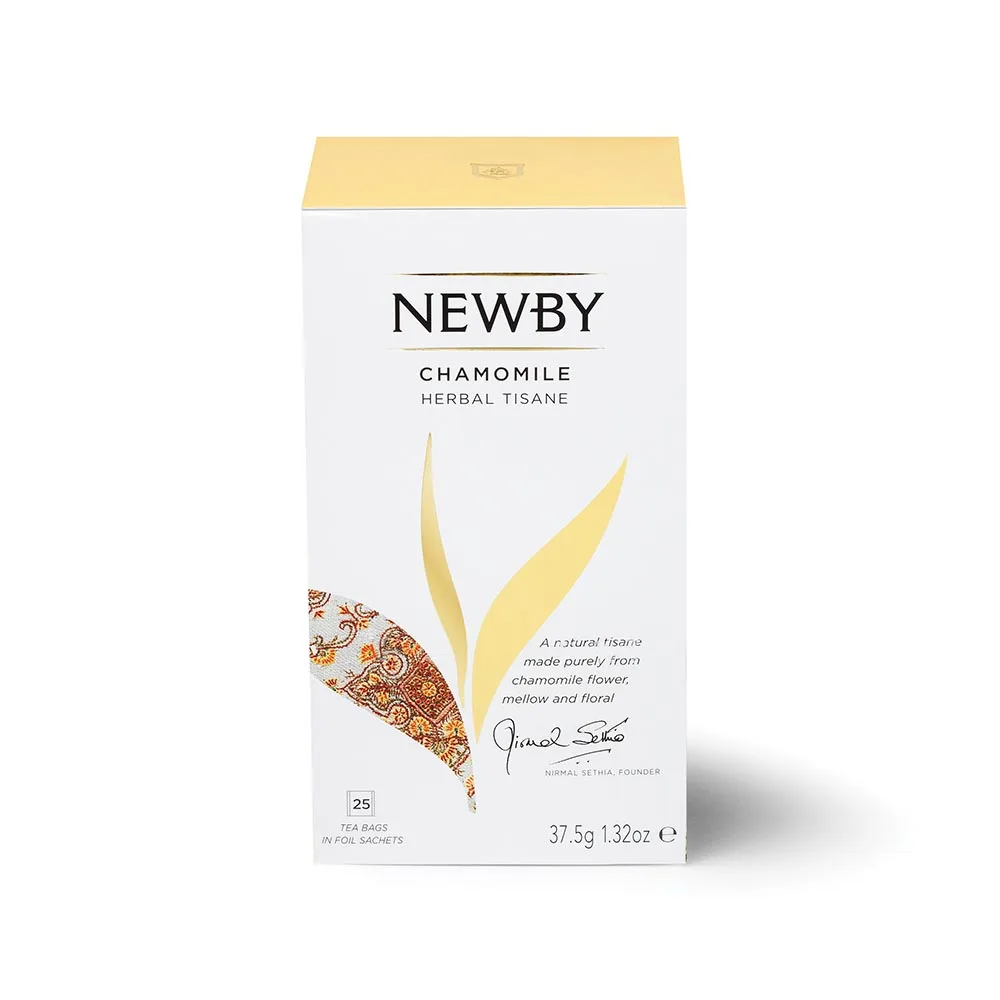
Chamomile - 25 Tea Bags
Peppermint tea is another common herbal choice, known for its cool, invigorating minty flavor. It's refreshing and can aid digestion, but it lacks the comforting sweetness of rooibos. If you're craving something soothing and warm, rooibos might be your pick; if you want a crisp, cooling cup, peppermint wins. The choice ultimately comes down to the experience you're seeking.
- For a cozy, comforting evening drink, rooibos offers a smooth, sweet profile.
- Chamomile is perfect when you want a light, floral cup to unwind.
- Peppermint is ideal for a refreshing pick-me-up without caffeine.
Health Benefits: What Does Each Offer?
Both rooibos and other herbal teas are caffeine-free and hydrating, making them excellent choices at any time of day. Rooibos is rich in antioxidants and has been traditionally used for its soothing properties. It's also low in tannins, which means it won't interfere with iron absorption as much as black or green tea. This makes it a great option for those with iron deficiencies or who are sensitive to tannins.
Chamomile is celebrated for its calming effects and is often used to promote sleep and reduce stress. Peppermint is known for its digestive benefits and can help relieve nausea or headaches. While rooibos offers a broad range of potential benefits, its specific advantages lie in its antioxidant content and mineral profile, including calcium, magnesium, and zinc. However, it's important to note that more research is needed to fully substantiate these claims.
- If you're looking for a tea to wind down, both rooibos and chamomile are good choices, but rooibos has a more robust flavor.
- For digestive support, peppermint is a classic, but rooibos can also be soothing without the strong mint taste.
Trade-offs to Consider
- Flavor Intensity: Rooibos has a robust, naturally sweet flavor that can stand up to milk or sweeteners. Herbal teas like chamomile are more delicate and best enjoyed plain. Choose rooibos if you prefer a fuller-bodied cup; opt for chamomile when you want something light.
- Caffeine Content: Both are caffeine-free, but rooibos is often chosen as a coffee substitute due to its rich taste. Herbal teas vary; some blends may contain ingredients like guarana that add caffeine, so always check labels. For a guaranteed caffeine-free brew, stick to pure rooibos or single-herb teas like chamomile.
- Health Goals: Rooibos is low in tannins and rich in minerals, making it a good choice for those concerned about iron absorption. Chamomile is renowned for its calming effects, while peppermint aids digestion. Match the tea to your specific wellness need: rooibos for antioxidant support, chamomile for relaxation, peppermint for digestion.
Product Facts
- Chamomile - 25 Tea Bags: Chamomile, known as chamomile tea, is in fact not a tea at all. Made purely from aromatic white and yellow chamomile flowers, this time-honoured beverage is perhaps the world’s most famous tisane. Throughout history, chamomile has been celebrated as a magical elixir of youth and a cure-all remedy by the likes of the ancient Egyptians and physicians in 17th-century England. Today, this caffeine-free tisane is enjoyed... This shows that chamomile is a classic herbal tea with a long history, perfect for those seeking a light, floral, and calming cup.
- Night Calm – 25 tea bags: There's no better prelude to a great day than a night of deep, blissful sleep, and our comforting Night Calm blend is the perfect way to power down naturally at bedtime. Light, warming and irresistibly fragrant, its notes of chamomile and lavender are sure to bring that soothing night's rest a little closer. 25 Biodegradable Tea Bags This blend combines chamomile with lavender, offering a more complex floral experience than plain chamomile, ideal for enhancing your bedtime routine.
Which Should You Choose?
Best for
- Rooibos: Those who want a caffeine-free alternative with a rich, sweet flavor that doesn't become bitter, and who appreciate a full-bodied brew.
- Chamomile: Those seeking a light, floral tea specifically for relaxation and sleep support.
Not for
- Rooibos: Those who prefer bright, fresh, or minty flavors—rooibos may taste too earthy or heavy.
- Chamomile: Those who dislike floral notes or want a more robust, substantial cup.
Both rooibos and other herbal teas offer a world of flavor and wellness benefits without caffeine. By understanding their differences, you can make an informed choice that suits your taste and lifestyle. Whether you opt for the comforting sweetness of rooibos or the delicate calm of chamomile, you're sure to enjoy a satisfying, healthy brew.