Quick Answer
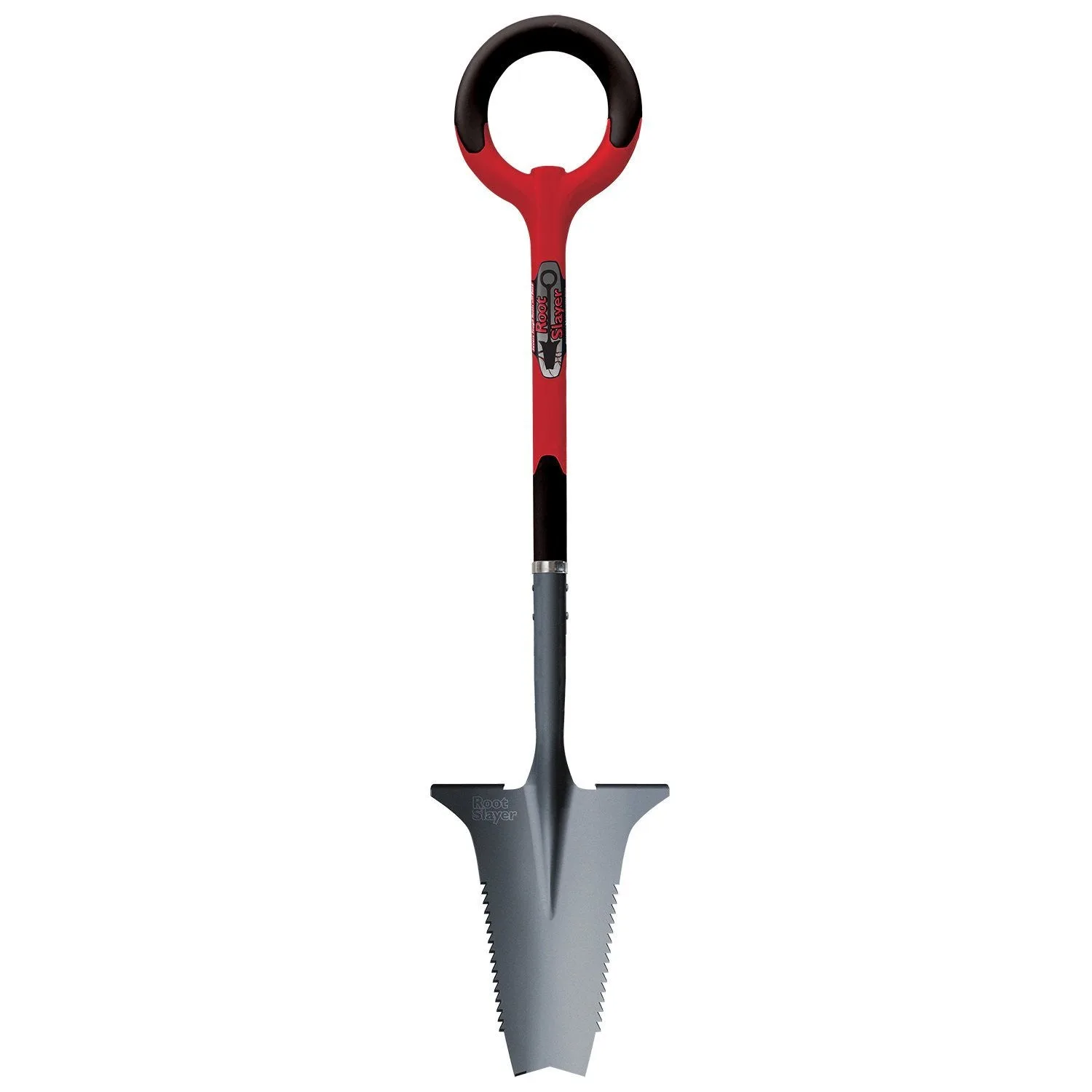
If you regularly dig in root-filled soil, the Root Slayer is the more efficient choice because its multi-purpose design can eliminate the need for hatchets, pry-bars, and saws when digging around the home. A standard shovel still wins for clean trenching and moving loose material. For most home gardeners dealing with roots, the Root Slayer saves time and effort.
What the Root Slayer Does Differently
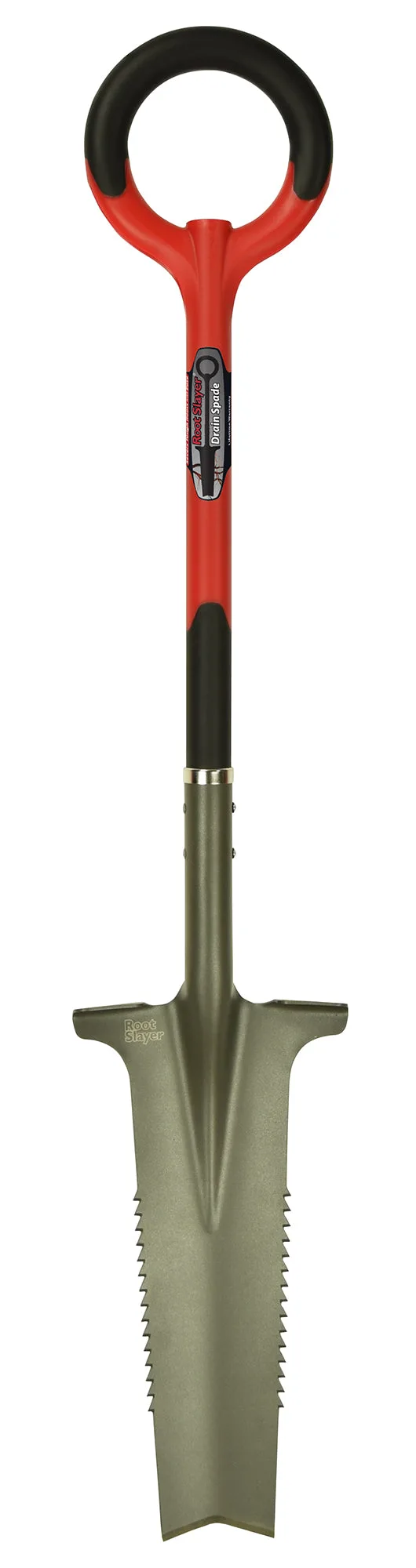
The Root Slayer is a multi-purpose shovel that can eliminate the need for other tools, such as hatchets, pry-bars, and saws, when simply digging around the home. That means fewer tool swaps when you hit a root while planting a perennial or dividing hostas. Instead of reaching for a hatchet to chop through a root and then switching back to a shovel to remove soil, the Root Slayer handles both tasks. The trade-off is that a standard shovel may still be lighter or faster for digging in loose, root-free soil.
When a Standard Shovel Still Makes Sense
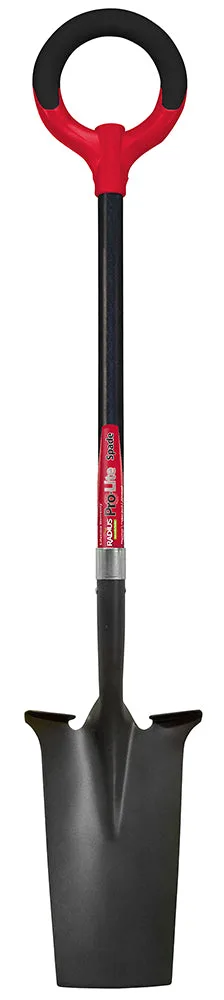
For clean trenching, edging, or moving loose material like compost or mulch, a standard shovel or spade is often the better tool. The Pro-Lite Spade, for example, is designed based on a 120-year-old nursery spade and has a large, sharpened, heat-tempered carbon steel blade. It is used for planting and transplanting shrubs and small trees. Unlike most spades on the market, the forward step gives extra stability for kicking through roots. So if your soil has only occasional small roots, a spade like the Pro-Lite Spade may be all you need. The trade-off is that it lacks the Root Slayer's multi-tool capability for heavy root cutting.
Ergonomics and Hand Tools for Root Work
If you prefer to work on your knees or need to clear roots around established plants, an ergonomic hand tool can complement either shovel. The Radius Garden 10311 Ergonomic Aluminum Hand Cultivator has talon-like tines perfect for turning soil and uprooting weed seedlings. Its ultra-lightweight die-cast aluminum blade is ideal for elderly gardening and will not rust under harsh environmental conditions. The Natural Radius Grip provides optimal leverage and power to reduce arm, hand, and wrist stress. For transplanting in tight spots, the Radius Garden 25011 Pro-Lite Ergonomic Carbon Steel Transplanter has an extra wide raised forward step, offset for better leverage and comfort, and a patented ergonomic Natural Radius O-Handle Grip that reduces hand and wrist stress. These hand tools do not replace a full-size shovel for deep digging, but they reduce strain when you are working close to roots.
Trade-Offs at a Glance
- Root Slayer: Multi-Tool Convenience vs. Bulk: The Root Slayer replaces hatchets, pry-bars, and saws for digging around the home. But it may be heavier or bulkier than a standard shovel for simple digging. Choose it if you frequently hit roots and want one tool to do more.
- Pro-Lite Spade: Clean Digging vs. Root Cutting: The Pro-Lite Spade excels at planting and transplanting with its sharpened, heat-tempered blade and forward step. It can kick through roots, but it is not designed to replace a hatchet or saw for thick roots. Choose it if your soil has few roots and you want a versatile spade.
- Ergonomic Hand Tools: Reduced Strain vs. Digging Depth: The Hand Cultivator and Transplanter reduce hand and wrist stress with Natural Radius Grips. They are ideal for close-up work but cannot replace a full-size shovel for deep digging. Use them alongside a shovel for planting and weeding in tight spaces.
Key Product Facts
- Root Slayer: The Award Winning Root Slayer is a multi-purpose shovel that can eliminate the need for other tools, such as hatchets, pry-bars, and saws, when simply digging around the home. You can carry one tool instead of several when digging in root-prone areas, saving time and effort.
- Pro-Lite Spade: Designed based on a 120-year-old nursery spade, the Pro-Lite Spade is a great all-purpose digging spade with a large, sharpened, heat-tempered carbon steel blade. The forward step gives the user extra stability for kicking through roots. The sharpened blade and forward step make it efficient for planting and transplanting, and it can handle occasional roots without switching tools.
Which Tool Fits Your Garden?
Best for
- Gardeners who regularly dig in root-filled soil and want to avoid switching tools
- Planting perennials or dividing hostas in established beds
- Homeowners who want a multi-purpose digging tool
Not for
- Clean trenching or edging where a standard spade is lighter and faster
- Moving large volumes of loose material like mulch or compost
- Gardeners who rarely encounter roots and prefer a traditional shovel