If you're a fan of asymmetric strategy games, you've likely heard of Root and Fort—two critically acclaimed titles from Leder Games that offer vastly different experiences despite sharing a design philosophy. Root plunges players into a woodland war of shifting alliances and unique faction abilities, while Fort invites you to build a deck and a treehouse in a post-apocalyptic world of childhood adventure. Both games reward deep strategic thinking but cater to different tastes and playstyles.
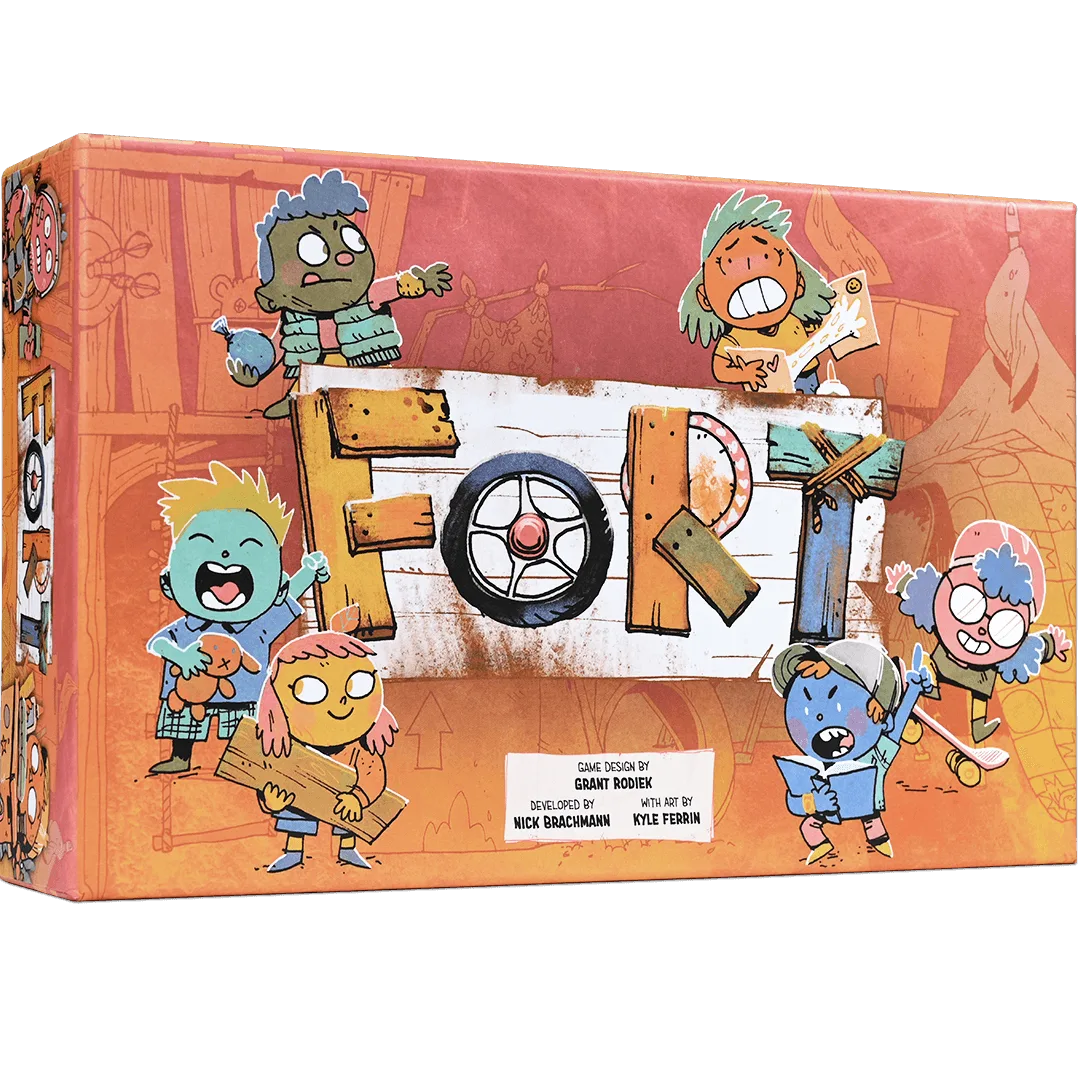
Fort
In this side-by-side comparison, we'll break down the core mechanics, theme, player count, replayability, and even the merchandise available for each game. Whether you're a seasoned Root veteran curious about Fort or a new player deciding which asymmetric game to dive into first, this guide will help you make an informed choice. Let's explore the woods and the fort.
Core Gameplay: Faction Asymmetry vs. Deck-Building Asymmetry
Root is built on a foundation of faction asymmetry. Each player controls a different faction—such as the Marquise de Cat, the Eyrie Dynasties, or the Woodland Alliance—each with its own unique rules, victory conditions, and action economy. The game's tension comes from balancing your personal objectives with the ever-shifting political landscape. The Riverfolk Company, for example, can sell services to other players, making them a wild card in any session. This deep asymmetry means that no two games play out the same way, and mastering a single faction can take dozens of plays.
Fort, on the other hand, uses a deck-building mechanism to create asymmetry over time. All players start with the same basic deck of cards, but as you recruit new friends and collect resources, your deck becomes uniquely tailored to your strategy. The game's 'follow' mechanic allows other players to copy actions you take, creating a dynamic push-and-pull. While Fort is lighter than Root in terms of rules overhead, it still offers meaningful strategic depth. Both games excel at making every player feel like they have a distinct path to victory, but the journey is very different.
- Root: Faction-specific rulebooks, variable player powers, and a focus on area control and combat.
- Fort: Symmetrical start evolving into asymmetric decks, with a focus on hand management and timing.
Theme and Art Style: Woodland Warfare vs. Suburban Adventure
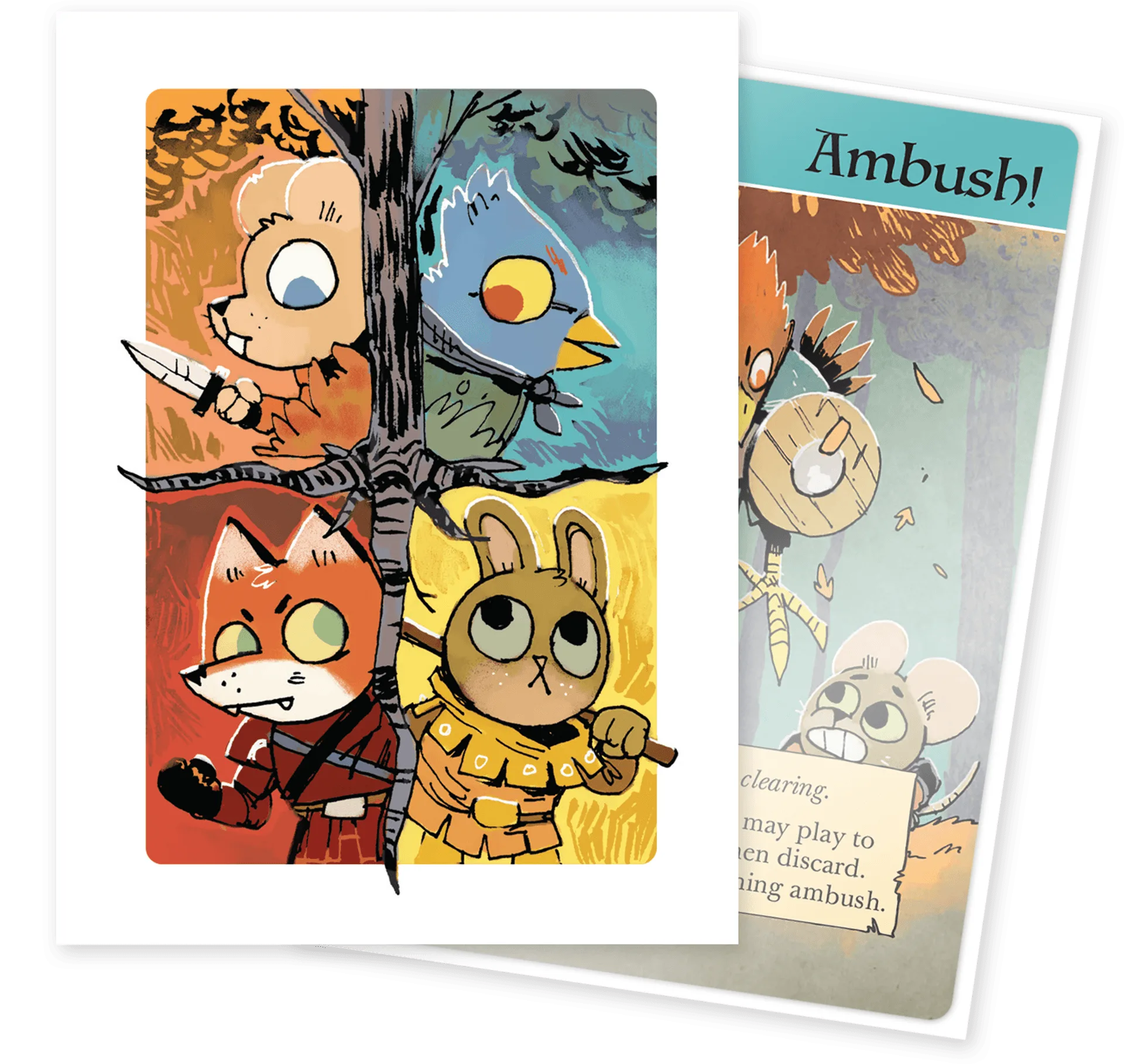
Root's theme is a dark, whimsical woodland where cute animals wage war for control of the forest. The art by Kyle Ferrin is charming yet eerie, with each faction having its own distinct visual identity. The game's tone balances lightheartedness with cutthroat strategy, making it appealing to both casual and competitive players. The world of Root has expanded through expansions like the Underground and Marauder, each adding new factions and maps. Fans can also show their faction pride with official merchandise, such as the Root Woodland Alliance Meeple Pullover Hoodie or the Root Lord of the Hundreds Meeple Pullover Hoodie, which let you wear your allegiance on your sleeve.
Fort's theme is nostalgic and slightly melancholic: a post-apocalyptic world where children build forts out of scrap and make friends with other kids. The art style is similarly whimsical but more focused on everyday objects—pizza boxes, skateboards, and treehouses—than on medieval warfare. The game's expansions, including the Cataclysm expansion, introduce new mechanics like the 'Ruin' and 'Scrap' systems. Fort's charm lies in its simplicity and emotional resonance, while Root's appeal is in its epic scope and faction-based storytelling.
Player Count and Replayability
Root supports 2 to 4 players (up to 6 with expansions) and is best at 3 or 4. The game's asymmetry means that replayability is extremely high—each faction offers a completely different experience, and the board setup changes with each play. The 'Reach' system helps balance games with fewer players, but some factions (like the Vagabond) are better suited for lower player counts. Root also has a robust solo mode via the Clockwork expansion, making it a versatile choice for solo gamers.
Fort supports 2 to 4 players and plays best at 3 or 4. Its deck-building nature ensures that games are rarely the same, as the available cards and player strategies vary widely. The 'follow' mechanic keeps everyone engaged even when it's not their turn. Fort also has a solo mode called 'The Sheriff' in the Cataclysm expansion, which adds a cooperative element. While Fort's replayability is strong, it doesn't reach the same level of faction-based variety as Root. However, Fort is faster to set up and easier to teach, making it a better choice for game nights with mixed experience levels.
Merchandise and Collectibles: Express Your Fandom
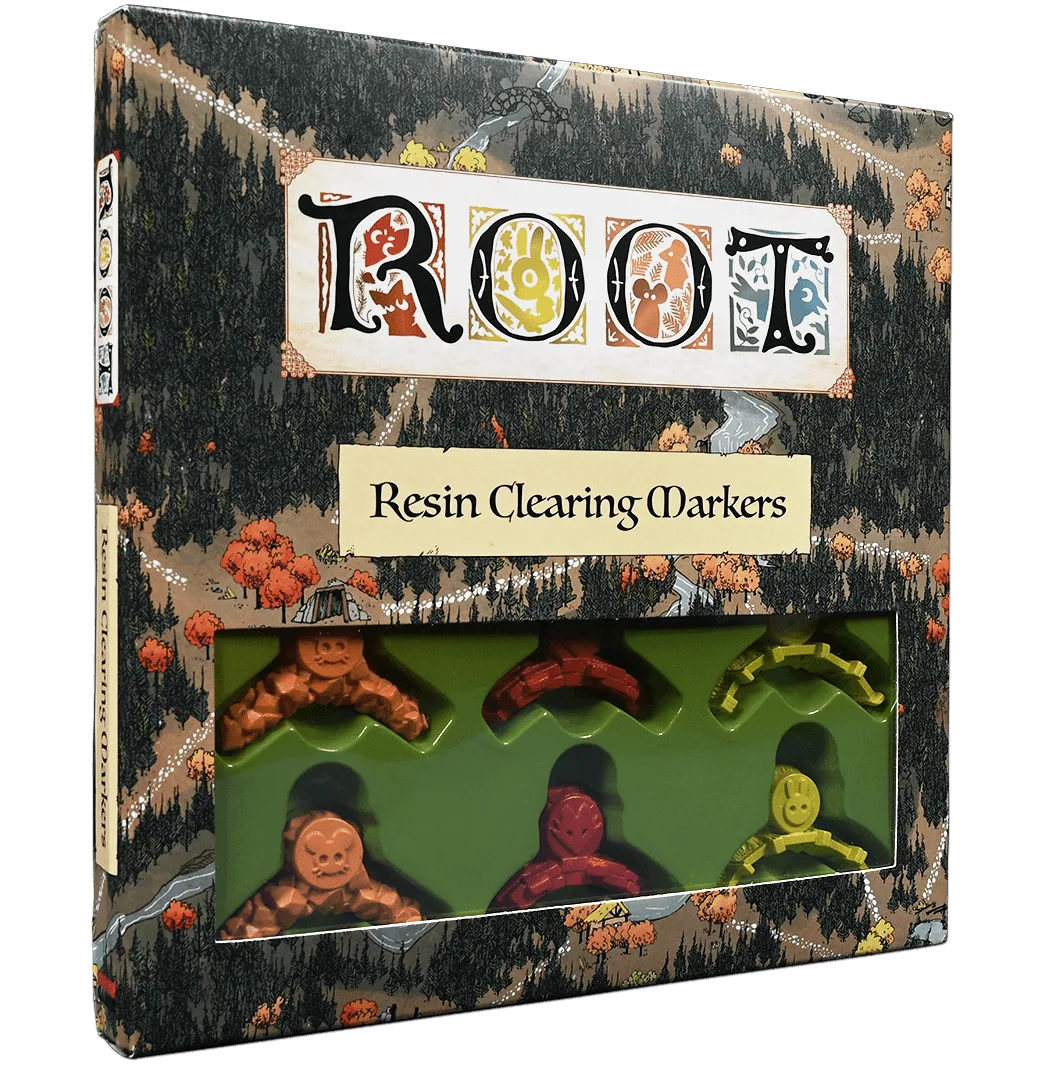
Both games have inspired a range of official merchandise that lets fans extend their love beyond the table. Root, being the more established title, has a larger catalog. Apparel options include the Root Riverfolk Company Tee and the Root Riverfolk Factions Tee, perfect for showing off your favorite faction. Hoodies and sweatshirts, such as the Root Woodland Alliance Meeple Crewneck Sweatshirt, offer cozy options for cooler gaming sessions. For collectors, the Root Pinny Arcade Pin Set and the Root Coffin Makers Art Print make excellent display pieces. The Root: The Squires and Disciples Deck adds new gameplay options for dedicated fans.
Fort's merchandise is more limited but still includes high-quality items. The Vast TMM Skeleton Tee, while technically from the Vast universe, shares a similar aesthetic and is often worn by Fort fans. For those looking to expand their Fort experience, the [Pre-Order] Root: Homeland Hirelings Pack offers new hireling mechanics that can be used in both Root and Fort games, bridging the two worlds. While Fort doesn't have as many apparel options as Root, its expansions and accessories are thoughtfully designed. If you're a collector, Root's broader range of merchandise makes it easier to build a themed collection.
- Root: Extensive apparel (tees, hoodies, sweatshirts), pins, art prints, and gameplay decks.
- Fort: Limited but curated merchandise; expansions like the Homeland Hirelings Pack add cross-compatibility.
Which Game Should You Choose?
Your choice between Root and Fort ultimately depends on your gaming preferences. If you love deep, asymmetric faction play, long sessions, and a rich narrative world, Root is the clear winner. It's a game that rewards repeated plays and offers a near-infinite variety of strategies. Fort, on the other hand, is perfect for players who enjoy deck-building, lighter rules, and a more relaxed yet still strategic experience. It's easier to teach and plays faster, making it an excellent choice for introducing new players to asymmetric games.
Both games have their own dedicated fan bases, and many players enjoy both. If you can, try before you buy—many board game cafes have copies of both. And if you fall in love with one (or both), the official merchandise is a great way to celebrate your fandom. Whether you're wearing a Root Woodland Alliance Meeple Pullover Hoodie while planning your next feline conquest or sporting a Fort-inspired tee while building your deck, Leder Games has you covered.
No matter which side of the woods you choose, both Root and Fort offer unforgettable asymmetric experiences that will keep you coming back for more. Ready to dive into the world of Root? Check out the Root Woodland Alliance Meeple Pullover Hoodie to wear your faction pride, or explore the full collection of Root and Fort merchandise at Leder Games. Your next adventure awaits.