Quick answer
Look for rose gold earrings made with nickel-free alloys and paired with smooth, non-porous gemstones like aquamarine or opal to minimize irritation for sensitive ears.
Why rose gold can be a good choice for sensitive ears
Rose gold gets its warm hue from a blend of pure gold and copper alloys. Unlike some white gold or silver alloys that often contain nickel—a common allergen—many rose gold pieces use copper as the primary secondary metal. This makes rose gold a naturally friendlier option for those with nickel sensitivities.
However, not all rose gold is created equal. Some manufacturers still add nickel to improve durability or reduce cost. When shopping for sensitive ears, always check the metal composition or look for labels like "nickel-free" or "hypoallergenic." Fine rose gold earrings from reputable jewelers typically use higher-quality alloys with minimal or no nickel.
Gemstone considerations for sensitive skin
The stone setting matters almost as much as the metal. Rough or porous stones can trap dirt, moisture, and bacteria, which may cause irritation behind the earlobe. Smooth, non-porous gemstones with a polished finish are less likely to harbor irritants.
Aquamarine and opal are both excellent choices for sensitive ears. Their polished surfaces are easy to clean, and their small stud size reduces contact with the skin. Plus, both stones carry meaningful symbolism—aquamarine for confidence and opal for positivity—adding intention to your everyday jewelry.
Decision rules for choosing rose gold earrings for sensitive ears
- Check the metal alloy: Look for rose gold labeled "nickel-free" or "hypoallergenic." If the composition isn't listed, contact the seller or choose a brand known for high-quality alloys. Avoid any rose gold that doesn't disclose its alloy metals.
- Choose smooth, non-porous stones: Polished gemstones like aquamarine and opal are less likely to trap irritants. Avoid rough or untreated stones that may have crevices. Stick with cabochon or faceted stones with a glossy finish.
- Opt for small, lightweight studs: Heavier earrings can pull on the earlobe and cause friction, leading to redness or discomfort. Small studs reduce weight and movement. Look for studs around 3-4mm in diameter for sensitive ears.
- Prioritize secure post backs: Screw-back or push-back findings keep earrings in place without excessive pressure. Avoid sharp or poorly finished posts. Test the post smoothness before purchasing, or choose a brand known for quality findings.
Product facts
-
Aquamarine Round Studs: Aquamarine is known as the Stone of Confidence, encouraging courage and calm. A smooth, polished aquamarine stud minimizes irritation while adding a meaningful touch to your daily look.
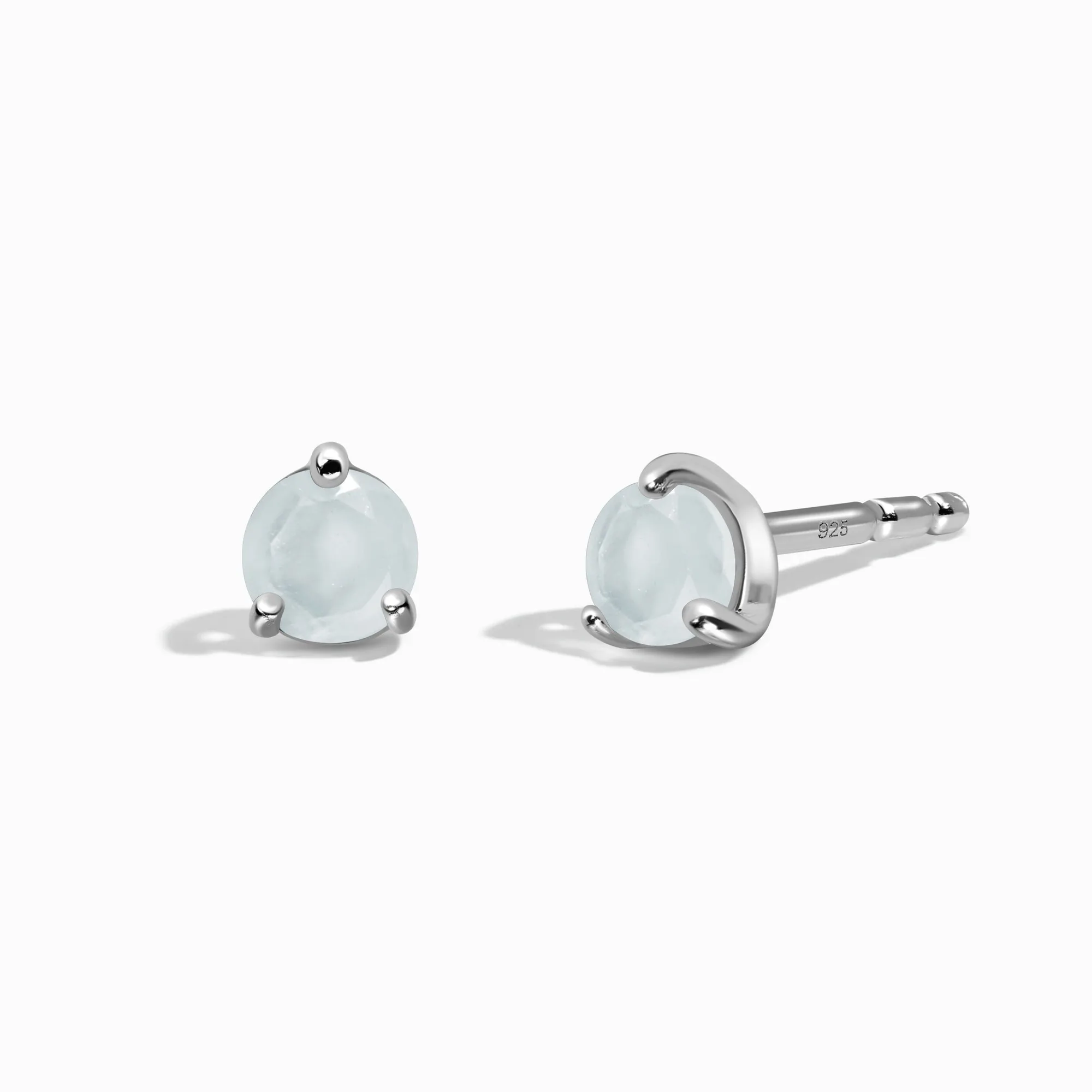
Aquamarine Round Studs
-
Opal Round Studs: Opal is known as the Stone of Positivity, promoting gratitude and optimism. Opal's polished surface is gentle on sensitive ears, and its uplifting meaning makes it a thoughtful choice for everyday wear.
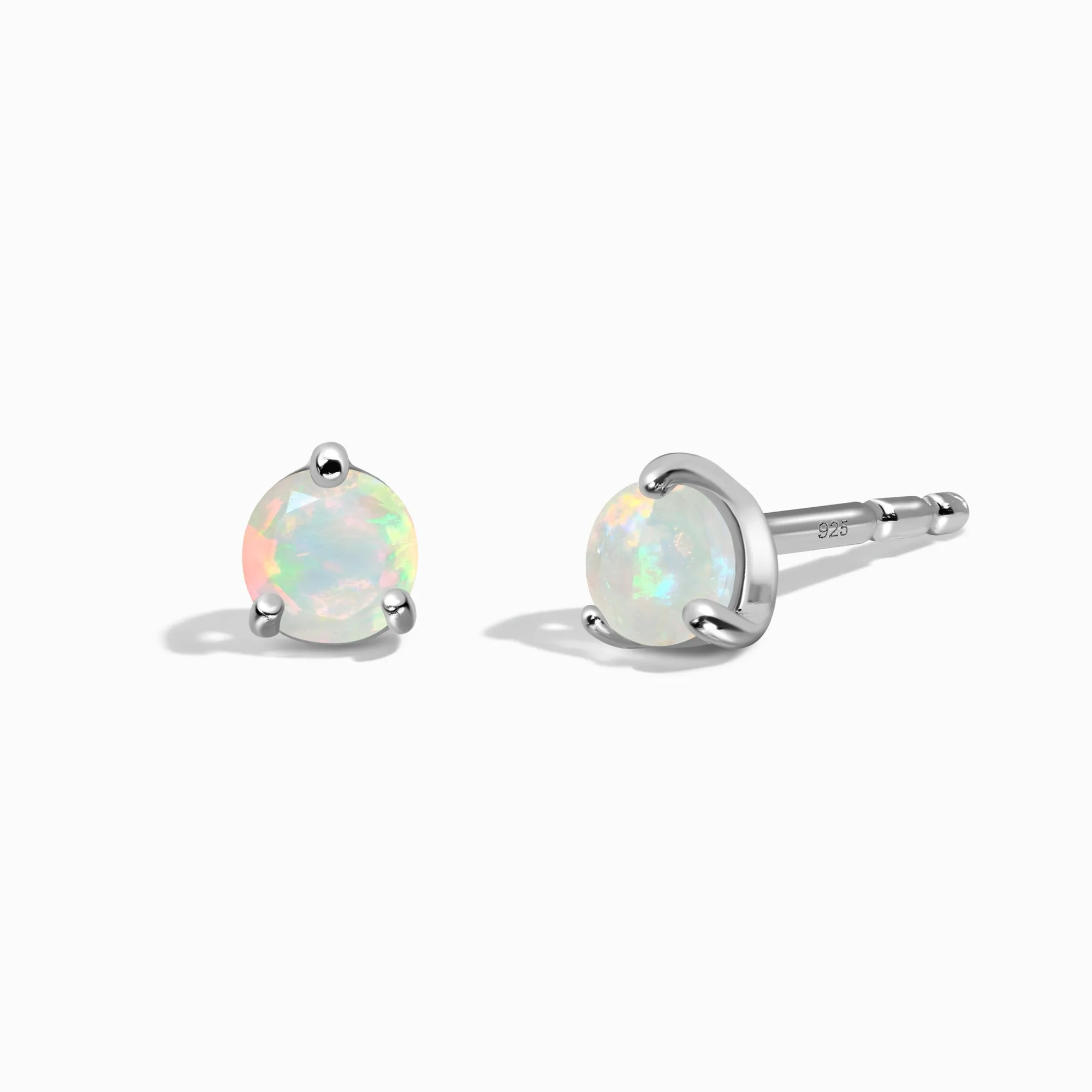
Opal Round Studs
Who should choose these earrings?
Best for
- Anyone with mild to moderate nickel sensitivity looking for stylish everyday studs
- Those who want meaningful gemstones that also minimize irritation
Not for
- People with severe metal allergies who require medical-grade materials like titanium or surgical steel