Quick answer
Rosehip oil is a nourishing, natural option that supports skin barrier and hydration, while bio-retinol serums are designed to visibly reduce wrinkles and boost firmness. If your main concern is deep wrinkles and loss of elasticity, a bio-retinol serum is your best bet. If you prefer a gentler, plant-based approach for overall skin health and glow, choose rosehip oil.
When you're looking for an anti-aging oil, you'll often see two popular choices: rosehip oil and bio-retinol. Both promise to improve skin's appearance, but they work differently and suit different needs. This comparison will help you decide which one aligns with your skin type, concerns, and tolerance for active ingredients.
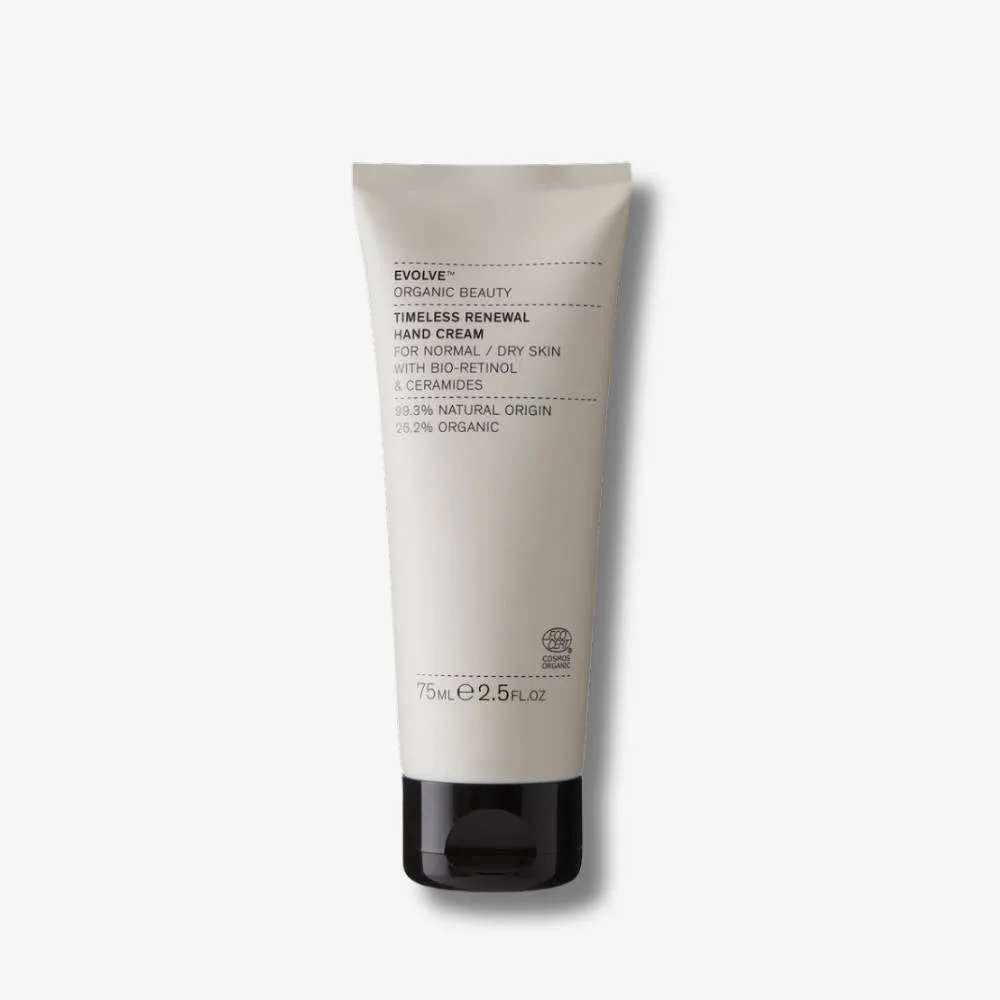
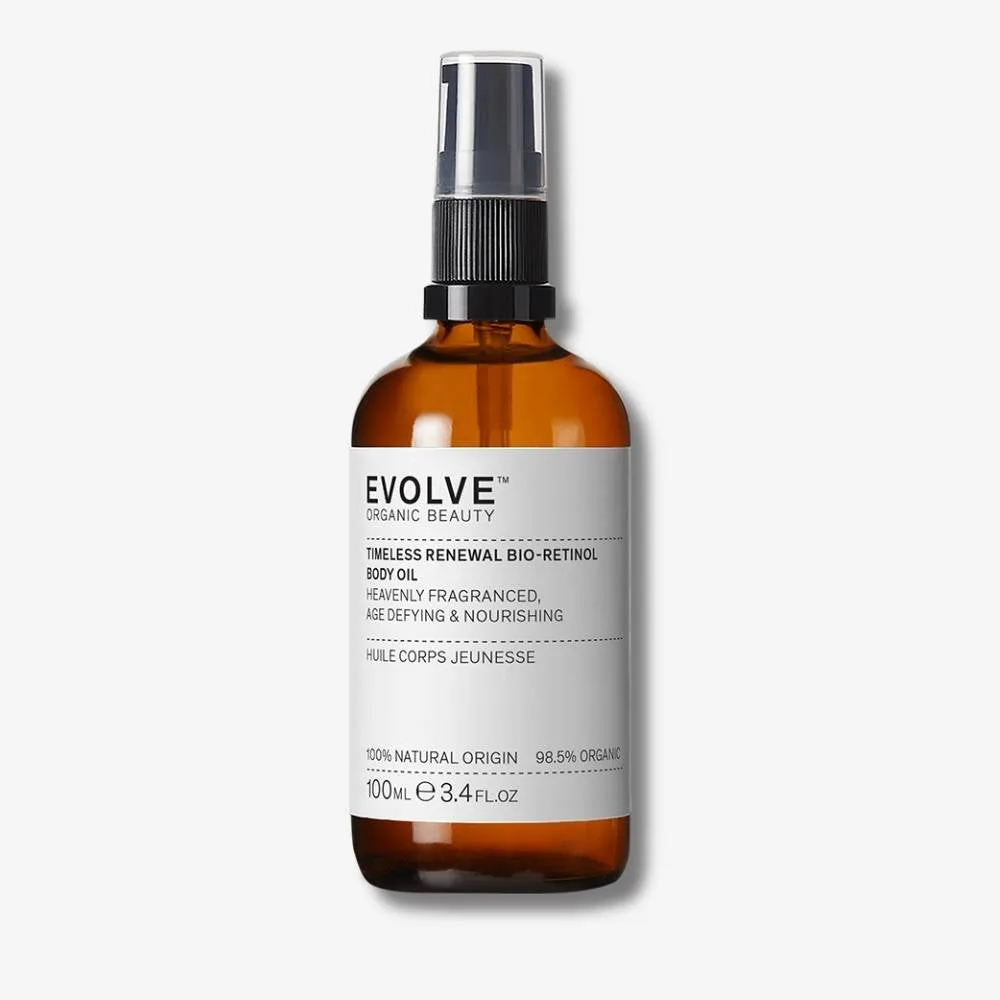
Rosehip oil is a natural plant oil rich in essential fatty acids and antioxidants. Bio-retinol, on the other hand, is a plant-based alternative to traditional retinol, designed to mimic its anti-aging effects without the irritation. Understanding the trade-offs between these two can save you time and money, and help you achieve the results you want.
What Is Rosehip Oil and How Does It Help Aging Skin?
Rosehip oil is extracted from the seeds of wild rose bushes. It's packed with vitamins, antioxidants, and essential fatty acids that help nourish and hydrate the skin. For aging skin, rosehip oil can help improve texture, reduce the appearance of fine lines, and boost overall radiance. Its lightweight, fast-absorbing nature makes it a favorite for all skin types, including oily and combination.
Because rosehip oil is rich in linoleic acid, it supports the skin's natural barrier, helping to lock in moisture and protect against environmental stressors. It's also known for its ability to fade dark spots and hyperpigmentation, making it a gentle yet effective option for those who want a natural retinol alternative. However, it works more slowly than active serums and may not deliver dramatic wrinkle reduction.
- Look for cold-pressed, organic rosehip oil to ensure maximum potency and purity.
What Is Bio-Retinol and How Does It Work?
Bio-retinol is a plant-based ingredient that mimics the effects of traditional retinol without the harsh side effects like dryness and peeling. It's often derived from sources like bakuchiol or other botanical extracts that stimulate collagen production and accelerate cell turnover. This makes it an excellent choice for those who want the anti-aging benefits of retinol but have sensitive skin or prefer clean beauty products.
A bio-retinol serum can help reduce the appearance of fine lines and wrinkles, improve skin firmness, and even out skin tone. It's typically more potent than rosehip oil when it comes to targeted anti-aging results, making it a great addition to a nightly routine. However, because it's an active ingredient, it may require a gradual introduction to avoid irritation, especially for those new to retinoids.
- Start using bio-retinol every other night to let your skin adjust, then increase frequency as tolerated.
Comparing Rosehip Oil and Bio-Retinol: Key Differences
The main difference lies in their primary function. Rosehip oil is a nourishing moisturizer that supports overall skin health, while bio-retinol is a targeted anti-aging treatment that works at a cellular level. Rosehip oil provides hydration and antioxidants, whereas bio-retinol stimulates collagen and speeds up cell renewal. This means bio-retinol is more effective for visible wrinkles and sagging, while rosehip oil excels at maintaining a healthy, glowing complexion.
Another key difference is tolerance. Rosehip oil is generally safe for all skin types and can be used daily, even during the day. Bio-retinol, being an active, may cause irritation for some, especially when first starting. If you have sensitive skin, you might prefer rosehip oil or use bio-retinol sparingly. Also, bio-retinol is often paired with other ingredients like peptides or hyaluronic acid to enhance results and minimize dryness.
- If you have dry or sensitive skin, rosehip oil can be a gentler daily option, while bio-retinol might be better reserved for nighttime use.
The Trade-Offs: Rosehip Oil vs. Bio-Retinol
- Gentleness vs. Potency: Rosehip oil is very gentle and can be used daily, even on sensitive skin. Bio-retinol is more potent and may cause irritation initially, but offers stronger anti-aging effects. Choose rosehip oil for everyday nourishment; choose bio-retinol for targeted wrinkle treatment if your skin can tolerate actives.
- Hydration vs. Cell Renewal: Rosehip oil deeply moisturizes and supports the skin barrier. Bio-retinol accelerates cell turnover and boosts collagen, but can be drying if not paired with a good moisturizer. If your skin is dry, use rosehip oil as a base and consider adding a bio-retinol serum slowly.
- Visible Results vs. Natural Approach: Bio-retinol delivers quicker, more visible results for wrinkles and firmness. Rosehip oil works gradually but is a natural, plant-based option that also improves skin tone and texture. Decide what matters more: fast, visible anti-aging or a natural, nourishing routine.
Products to Consider
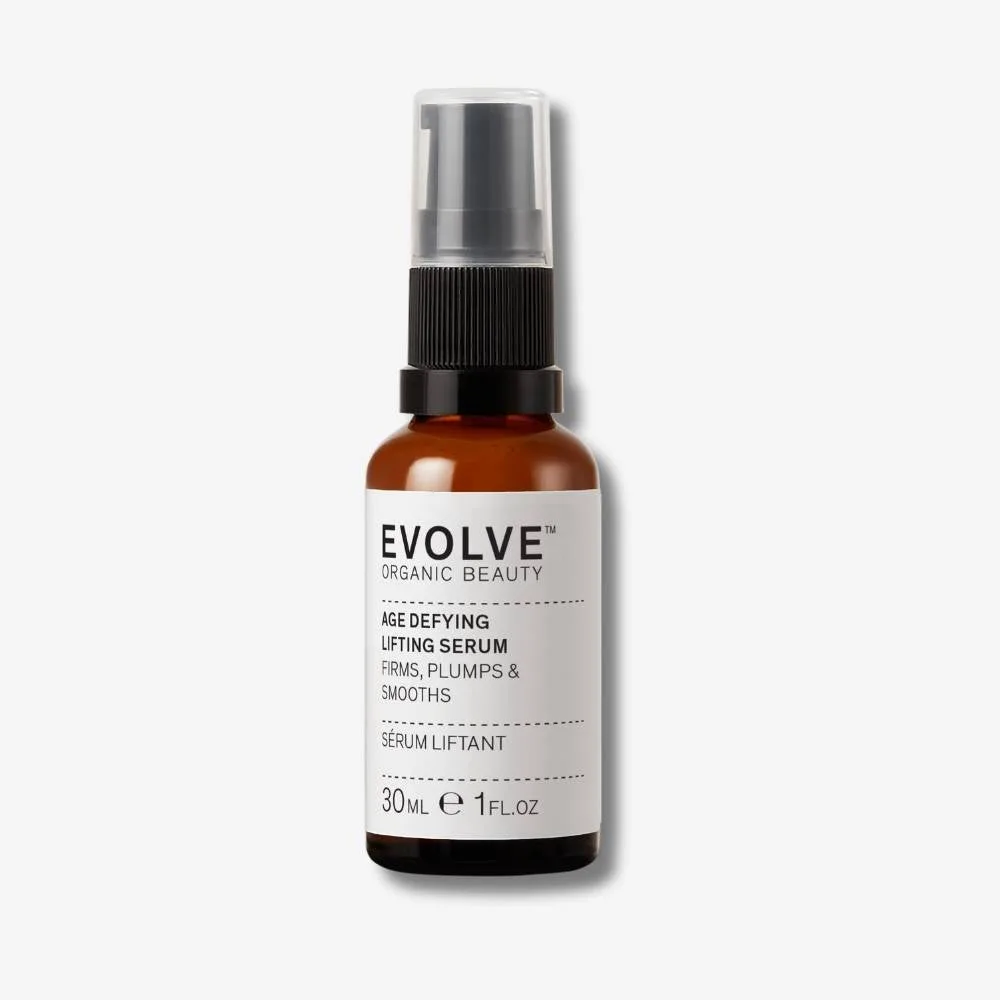
- https://evolvebeautyen.com/products/age-defying-lifting-serum-supersize-350215Age Defying Lifting Serum - Supersize: Reverse the signs of ageing naturally. Firm, lift and smooth skin with newly reformulated Age Defying Lifting Serum. Created with powerful active ingredients including Hexapeptide-8, this creamy serum plumps and lifts skin to deliver non-invasive, instant and long lasting results for visibly younger-looking skin. This bio-retinol-style serum is formulated with peptides to target wrinkles and firmness, making it a strong choice for those who want visible anti-aging results.
- Resveratrol + Niacinamide Serum: Experience a brighter, more even complexion with this breakthrough, plant-powered Resveratrol and Niacinamide serum. The potent pale-pink concentrate has been formulated with 3% encapsulated Resveratrol, from White Mulberry, to visibly reduce the appearance of dark spots and hyperpigmentation, and naturally derived 4% Niacinamide to visibly brighten dull skin. This serum offers an alternative approach to anti-aging by targeting dark spots and dullness, complementing the benefits of rosehip oil or bio-retinol.
How to Choose
Best for
- Rosehip oil is best for those with sensitive or dry skin who want a gentle, daily moisturizing oil that supports skin health and glow.
- Bio-retinol is best for those with mature skin who want to visibly reduce fine lines, wrinkles, and sagging and are comfortable using active ingredients.
Not for
- Rosehip oil may not be strong enough for those seeking dramatic wrinkle reduction or significant firming.
- Bio-retinol may not be suitable for very sensitive skin or for those who prefer to avoid any potential irritation.
Both rosehip oil and bio-retinol have valuable roles in an anti-aging routine. Rosehip oil is a gentle, nourishing daily staple, while bio-retinol offers more potent, targeted results. Assess your skin's tolerance and your primary concerns to pick the one that fits best—or use both in a layered routine for comprehensive care.