Why This Comparison Matters
Rosewater and witch hazel are two of the most popular natural toner ingredients, but they serve slightly different purposes. Rosewater is known for soothing and hydrating, while witch hazel is prized for tightening pores and controlling oil. If you're torn between the two, you don't have to choose: some toners combine both, like the Rosewater X Witch Hazel Facial Toner from The Butters Hygienics Co. This article breaks down what each ingredient does, how they work together, and what the product record confirms—and what it doesn't.
Product at a Glance
-
Rosewater X Witch Hazel Facial Toner [100% Alcohol-Free & Oil-Free]: Rosewater X Witch Hazel Facial Toner combines Rosa Damascena bud extract and witch hazel in a 100% alcohol-free, oil-free formula. You get the soothing benefits of rosewater and the pore-tightening action of witch hazel without the drying effects of alcohol or added oils.
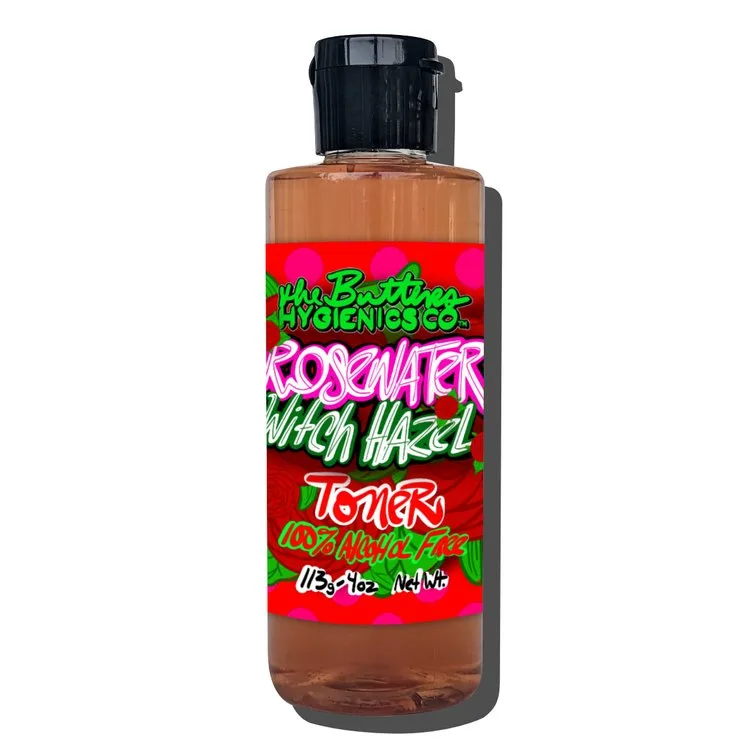
Rosewater X Witch Hazel Facial Toner [100% Alcohol-Free & Oil-Free]
-
Rosewater X Witch Hazel Facial Toner [100% Alcohol-Free & Oil-Free]: Formulated with distilled water, rose bud extract, witch hazel, vitamin C, and a gentle organic preservative. The ingredient list is short and plant-based, which is appealing for sensitive or reactive skin.
-
Rosewater X Witch Hazel Facial Toner [100% Alcohol-Free & Oil-Free]: Catalog price USD 7.09 (compared to USD 9.99) for a standard size. It's an affordable entry point to test a combined rosewater-witch hazel toner without a big investment.
Rosewater vs Witch Hazel: How They Differ
Here's a quick breakdown of what each ingredient is known for, based on the product's stated benefits.
- Rosewater (Rosa Damascena bud extract): Soothes and revitalizes tired skin, offers relief for conditions like dermatitis and eczema, and helps reduce puffiness. In this toner, it's paired with distilled water for a gentle base.
- Witch Hazel (Hamamelis Virginiana): Acts as a natural astringent to minimize pores and remove excess oils. The product claims it helps with pore perfection and oil control.
- Combined formula: The toner is alcohol-free, so you get witch hazel's astringent effect without stripping moisture. The rose extract balances the experience with soothing hydration.
What the Product Record Confirms
The catalog states that the toner is 100% alcohol-free and oil-free, with a soft finish that leaves no stickiness. It's intended for use after cleansing or exfoliating—spray directly or apply with a cotton ball—then let it dry naturally before serum or moisturizer. The formula includes vitamin C for brightening and an organic preservative (Germall Plus) to keep it fresh without harsh chemicals.
The product also lists several versatile uses beyond a daily toner: as a pore tightener, aftershave soother, relief for winter- or sun-stressed skin, prevention for ingrown hairs and razor burns, and even a massage aid for bruises. These claims are part of the supplied evidence, but individual results may vary.
What the Record Does Not Tell You
The catalog does not specify the exact ratio of rosewater to witch hazel, so you can't know which ingredient dominates. It also doesn't provide pH level, shelf life after opening, or detailed patch-test instructions. While the toner is described as suitable for all skin types, the evidence doesn't include independent dermatological testing. If you have extremely reactive skin, a patch test on your inner arm is a reasonable precaution before full-face use.
Additionally, the product's claim about guarding against cell mutation is not supported by specific evidence in the record. Treat that as a general botanical benefit, not a clinical guarantee.
How to Choose Between Pure Rosewater and a Combined Toner
If your main concern is soothing irritation or redness, a pure rosewater toner might be enough. But if you also want pore refinement and oil control without a separate astringent, a combined formula like the Rosewater X Witch Hazel Facial Toner gives you both in one step. The alcohol-free, oil-free base makes it a practical choice for acne-prone or combination skin that still needs hydration.
For those who prefer a single-ingredient approach, you could layer a separate rosewater mist and witch hazel toner. However, the combined product simplifies your routine and costs less than buying two separate products.