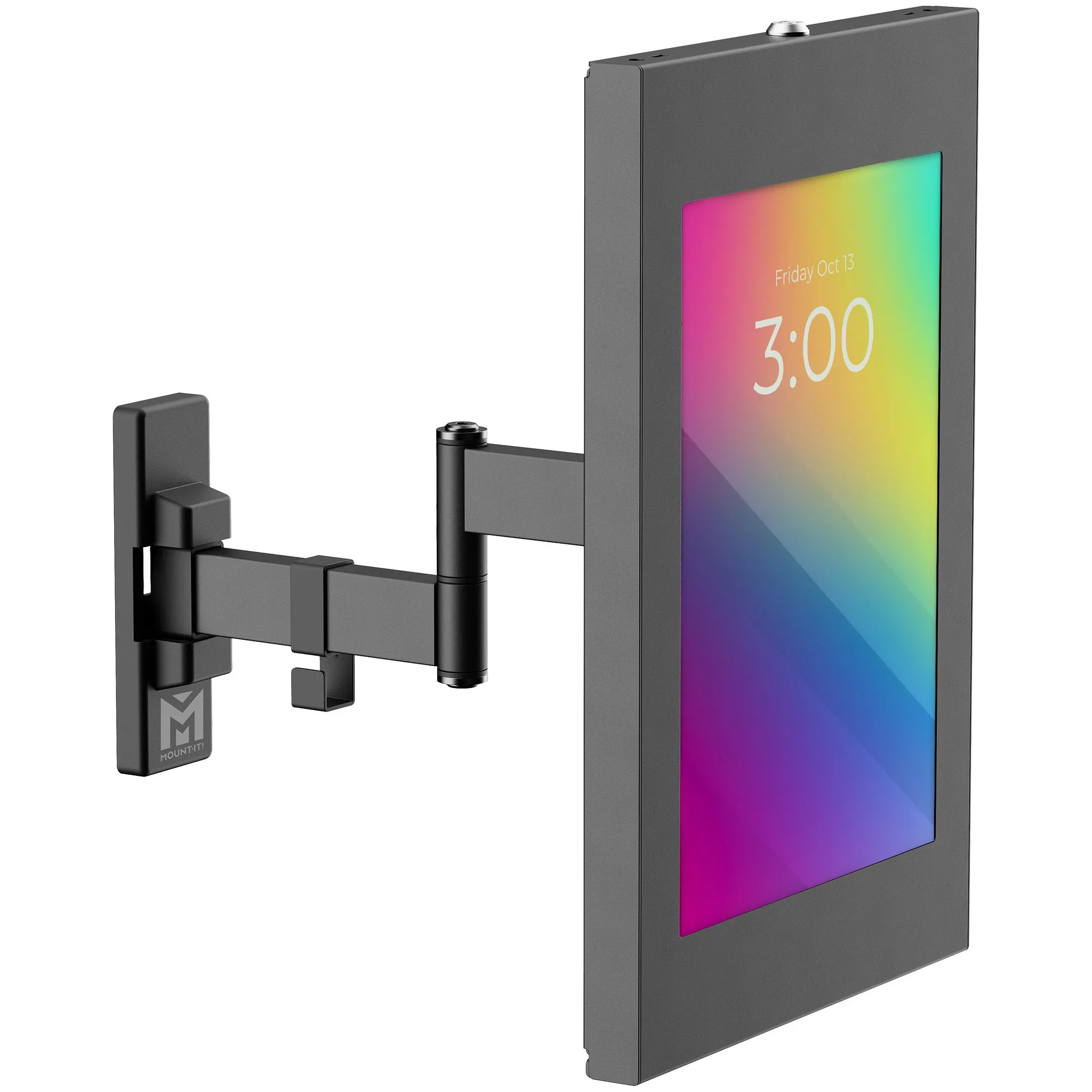
Choosing the right TV wall mount can dramatically affect your viewing experience and room aesthetics. The two most common options are fixed mounts, which hold your TV flush against the wall, and rotating mounts (often called full-motion or swivel mounts) that let you adjust the screen's angle and position. Each type has its strengths, and the best choice depends on your specific needs and room layout.
In this comparison, we'll break down the key differences between rotating and fixed TV wall mounts, covering flexibility, installation, viewing angles, and cost. By the end, you'll know which type is right for your room.
Understanding Fixed TV Wall Mounts
Fixed TV wall mounts, also known as low-profile mounts, are designed to hold your television as close to the wall as possible, typically within a couple of inches. They offer a sleek, minimalist look that integrates the TV into the room's architecture. Because they have no moving parts, they are generally more affordable and easier to install than rotating mounts.
The main advantage of a fixed mount is its stability and clean appearance. It's an excellent choice for dedicated home theaters or living rooms where the primary seating is directly opposite the screen. However, the lack of adjustability means you must be certain about the viewing height and angle before installation, as you won't be able to tilt or swivel the TV afterward.
- Ideal for rooms with a single, central viewing position
- Provides the cleanest, most streamlined look
- Typically the most budget-friendly option
What Is a Rotating TV Wall Mount?
Rotating TV wall mounts, also called full-motion or swivel mounts, allow you to pull the TV away from the wall, tilt it, and swivel it left or right. This flexibility is perfect for rooms where you might want to watch from different areas, such as an open-concept living space or a bedroom where you sometimes watch from the bed and sometimes from a chair.
These mounts usually feature multiple articulating arms that enable a wide range of motion. For example, a https://simpelivingcoai.shop/products/full-motion-tv-wall-mount-325553https://simpelivingcoai.shop/products/full-motion-tv-wall-mount-325586https://simpelivingcoai.shop/products/full-motion-tv-wall-mount-325622https://simpelivingcoai.shop/products/full-motion-tv-wall-mount-325651full motion TV wall mount can extend, tilt, and swivel to reduce glare or accommodate viewers in different parts of the room. This adjustability comes at a higher price and requires a more robust installation, but the payoff in convenience and viewing comfort is significant for many households.
- Perfect for open-plan rooms or spaces with multiple viewing angles
- Helps reduce glare by adjusting the screen's angle
- Allows you to reposition the TV to suit your activity, like gaming or cooking
Comparing Flexibility and Viewing Experience
The most obvious difference between rotating and fixed mounts is flexibility. A rotating mount gives you the freedom to adjust the TV's position at any time, ensuring a perfect viewing angle whether you're sitting, standing, or lying down. This is especially beneficial in rooms where the seating arrangement changes frequently or where the TV is used for different purposes, such as watching sports from the kitchen island or gaming from a recliner.
Fixed mounts, on the other hand, lock the TV in one position. This works well if your viewing spot is consistent, but it can be a drawback if you need to avoid glare from windows or if you want to watch TV from another room. For instance, if you have a large living room with a sectional sofa that isn't centered on the wall, a rotating mount would allow you to angle the screen toward the main seating area, whereas a fixed mount would force you to view the TV from an awkward angle.
- Consider how many different spots you watch TV from
- Think about potential glare from windows or lights
- Assess whether you need to angle the TV for different activities
Installation and Space Considerations
Fixed mounts are generally simpler to install because they are lightweight and require less clearance behind the TV. They also keep the TV closer to the wall, which is ideal for smaller rooms or when you want to minimize the mount's visual impact. However, you must ensure that the mounting height and position are perfect, as there's no room for adjustment after installation.
Rotating mounts need more space behind the TV to allow for the arms to extend and swivel. This means the TV will sit further from the wall, which can be a consideration in tight spaces. Additionally, because they are heavier and more complex, they require sturdy wall construction and careful installation to ensure safety. If you're considering a full-motion mount, make sure your wall can support the extra weight and that you have enough clearance for the TV to move freely.
- Measure the depth of the mount and TV to ensure adequate clearance
- Check your wall type (drywall, studs, masonry) for compatibility
- Consider hiring a professional for complex installations
Price and Value: Which Offers More Bang for Your Buck?
Fixed TV wall mounts are typically the most affordable option, making them a great choice for budget-conscious shoppers. They provide a secure, low-profile solution without any unnecessary frills. If you never plan to move your TV, a fixed mount offers excellent value for money.
Rotating mounts are more expensive due to their complex mechanisms and added flexibility. However, they can be a worthwhile investment if they significantly improve your viewing experience. For example, a full motion TV wall mount can eliminate the need to rearrange furniture or deal with glare, adding convenience that many users find worth the extra cost. When comparing prices, consider the long-term benefits of each type and how they align with your lifestyle.
- Set a budget before shopping to narrow down your options
- Remember that installation costs may be higher for rotating mounts
- Think about the resale value if you move homes
Which Mount Is Right for Your Room?
To decide between a rotating and fixed TV wall mount, evaluate your room's layout and your viewing habits. If you have a dedicated media room with a single, central seating area and no glare issues, a fixed mount is likely all you need. It will give your space a clean, movie-theater look at a lower cost.
On the other hand, if your TV is in a multi-purpose room, if you like to watch from different spots, or if you struggle with glare, a rotating mount is the smarter choice. The ability to tilt and swivel the screen can make a huge difference in comfort and enjoyment. For instance, the Full Motion TV Wall Mount offers excellent flexibility for such situations, allowing you to adjust the screen to your exact preference.
- List your primary viewing positions and note any glare sources
- Consider the size of your room and the distance from the TV
- Think about future changes to your furniture layout
Ultimately, the choice between a rotating and fixed TV wall mount comes down to your personal needs and room setup. If you value flexibility and the ability to adjust your viewing angle, a rotating mount is worth the investment. For a clean, simple, and budget-friendly option, a fixed mount will serve you well. Explore our selection of TV wall mounts to find the perfect match for your home.