If your dog turns up their nose at the same bowl of kibble day after day, you are not alone. Picky eaters can be frustrating, but the solution often lies in variety. A rotational feeding schedule—alternating between different proteins, textures, and food forms—can transform mealtime from a chore into an exciting event. By mixing wet and dry dog food, you provide not only taste diversity but also a broader range of nutrients.
In this guide, we will walk you through the step-by-step process of creating a rotational feeding plan that works for your picky dog. You will learn how to introduce new foods gradually, balance wet and dry options, and keep your pup healthy and happy. Whether you are a seasoned pet parent or new to the concept, these practical tips will help you build a routine that your dog will love.
Why Rotational Feeding Works for Picky Dogs
Dogs, like humans, can get bored with the same meal every day. Rotational feeding mimics the natural variety they would experience in the wild, offering different proteins, textures, and flavors. This approach not only keeps your dog interested in food but also helps prevent nutritional gaps. By rotating between wet and dry food, you can ensure your dog gets the benefits of both: the hydration and palatability of wet food, plus the dental and convenience advantages of dry kibble.
A key advantage of rotational feeding is that it reduces the risk of food sensitivities developing from eating the same ingredients repeatedly. Introducing a range of proteins—such as chicken, turkey, salmon, and beef—can also support a healthier immune system and gut microbiome. For picky dogs, the novelty of a new meal can be the difference between a full bowl and a hungry pup.
- Prevents mealtime boredom and food refusal
- Provides a wider range of nutrients from different protein sources
- Helps identify any food sensitivities or allergies early on
Step 1: Choose Your Base Foods—Wet and Dry
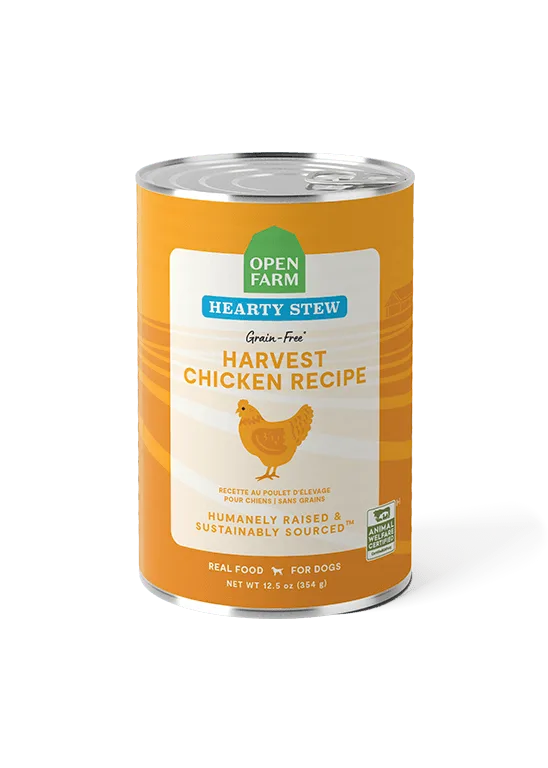
The foundation of a good rotational schedule is selecting high-quality wet and dry foods that your dog enjoys. Start with one or two dry kibble options and a few wet food varieties. Look for products with clean ingredients, named protein sources, and no artificial additives. For example, a grain-free dry kibble paired with a gently cooked wet food can offer a great balance of texture and nutrition.
When choosing wet food, consider options like pâtés, stews, or meatballs. The Harvest Chicken Freshly Crafted Meatballs for Dogs are a fantastic choice for dogs who love a hearty, meaty texture. For dry food, look for a formula that complements the wet options you select. Rotating between chicken, beef, and fish-based recipes will keep your dog guessing and engaged.
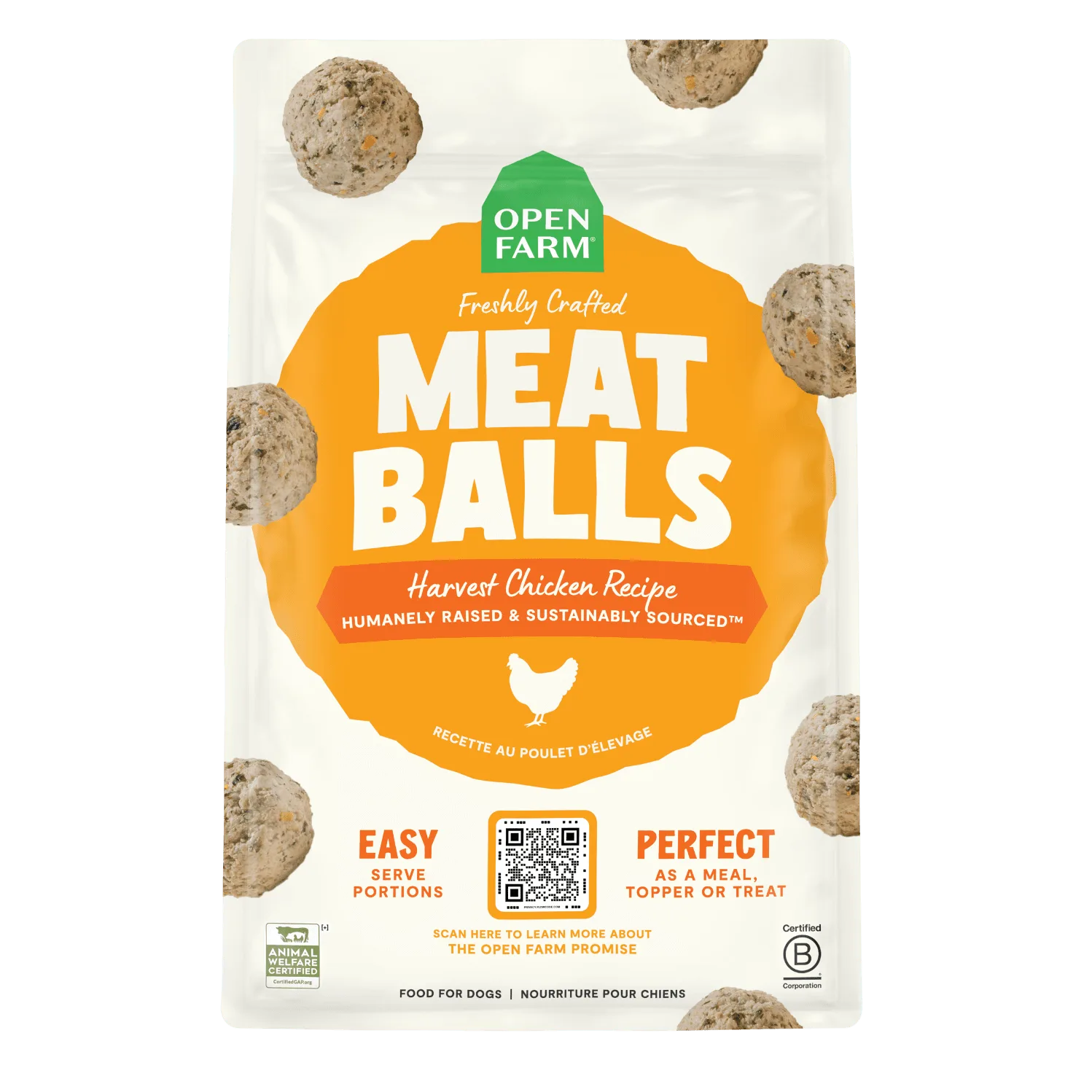
Harvest Chicken Freshly Crafted Meatballs for Dogs
- Select one high-quality dry kibble as your base (e.g., chicken or salmon recipe)
- Pick 2-3 wet food varieties in different textures (pâté, meatballs, stew)
- Ensure all foods meet AAFCO nutritional standards for your dog's life stage
Step 2: Create a Weekly Rotation Plan
A simple weekly schedule helps you stay organized and ensures your dog gets balanced nutrition. Start with a 7-day plan where you alternate between wet and dry meals, or mix them together. For example, you might feed dry kibble in the morning and wet food at dinner. This approach gives your dog two different experiences each day without overwhelming their digestive system.
Here is a sample weekly plan: Monday: dry kibble AM, Chicken & Salmon Pâté for Cats (if your dog is small, adjust portion sizes) PM. Tuesday: dry kibble AM, Harvest Chicken Freshly Crafted Meatballs for Dogs PM. Wednesday: mix dry with a topper like Salmon & Cod Topper for Cats for extra flavor. Thursday: dry kibble AM, a new wet variety PM. Friday: repeat Monday. Saturday: all wet day with different proteins. Sunday: all dry day to reset. Adjust based on your dog's preferences and dietary needs.
- Keep a food diary to track which combinations your dog loves most
- Introduce new foods gradually over 5–7 days to avoid digestive upset
- Rotate proteins every 2–3 days to maintain variety without confusion
Step 3: Transitioning Between Foods Smoothly
Sudden changes in diet can cause stomach upset, even in healthy dogs. To transition between different foods in your rotation, mix a small amount of the new food with the current one. Start with 25% new food and 75% old food for the first two days, then 50/50 for the next two days, and finally 75/25 before fully switching. This slow introduction helps your dog's digestive system adapt.
If your dog is particularly sensitive, extend the transition period to 10 days. Watch for signs of loose stools, gas, or vomiting, and slow down if needed. Once your dog is comfortable with the rotation, you can switch between foods more freely, but always keep an eye on their stool quality and energy levels.
- Use a 7-day transition for each new food added to the rotation
- Add a probiotic supplement like https://openfarmpetshop.com/products/probiotic-food-supplement-chews-for-dogs-71339Probiotic Food Supplement Chews for Dogs to support gut health during changes
- Keep a consistent feeding schedule (same times each day) to help digestion
Step 4: Balancing Nutrition Across the Rotation
One concern with rotational feeding is ensuring your dog gets complete and balanced nutrition every day. The key is to choose foods that are labeled as 'complete and balanced' by AAFCO for your dog's life stage. When you mix wet and dry food, calculate the total calories and nutrients based on the portions you serve. Most commercial foods have feeding guidelines on the package.
For example, if you feed a 50/50 mix of wet and dry, adjust the portions so that the total calories meet your dog's daily needs. The Chicken & Pollock Healthy Weight Pâté for Dogs is a great option for weight management, while the Goodbowl™ Harvest Chicken & Grass-Fed Beef Pâté for Dogs offers a rich protein profile. Rotating between these ensures your dog gets variety without missing essential nutrients.
- Use a kitchen scale to measure portions accurately
- Consult your veterinarian to determine your dog's ideal daily calorie intake
- Rotate between different protein sources (chicken, beef, fish) to cover amino acid profiles
Tips for Keeping Picky Dogs Engaged
Even with a rotation, some dogs may still need an extra nudge. Toppers and mix-ins are excellent tools to boost appeal. A spoonful of Salmon & Cod Topper for Cats can add a burst of fish flavor that many dogs love. You can also warm wet food slightly to release aromas, or add a splash of low-sodium broth. Freeze-dried treats crushed on top work wonders too.
Another trick is to use puzzle feeders or slow-feed bowls to make mealtime interactive. This not only slows down fast eaters but also adds mental stimulation. If your dog is still hesitant, try hand-feeding a few pieces of the new food to build positive associations. Patience and consistency are your best allies.
- Rotate the bowl location occasionally to simulate foraging
- Offer a small taste of new food before the main meal to pique interest
- Avoid free-feeding; stick to scheduled meals to encourage appetite
Building a rotational feeding schedule for your picky dog is a rewarding process that can improve their health and happiness. By thoughtfully combining wet and dry foods, you provide variety, balanced nutrition, and endless mealtime excitement. Start with a simple plan, transition slowly, and watch your dog's enthusiasm for food grow. For a convenient and delicious way to begin, explore the Harvest Chicken Freshly Crafted Meatballs for Dogs—a perfect addition to any rotation.