Quick answer
Buy rough crystals when you want a statement display piece, a larger specimen, or the unpolished character of a stone in its natural form. Buy tumbled stones when you want comfortable pocket carry, easy grid placement, or a ready-to-gift set. Many collectors keep both: rough for shelves and tumbled for daily handling.
How the two forms actually differ
Rough crystals keep the surface they had when they were extracted, so no two pieces look alike and edges may be uneven. Tumbled stones are smoothed in a rotating process until the edges round off and the surface feels comfortable in the hand. That single difference drives most of the practical trade-offs: rough pieces tend to be larger and more decorative, while tumbled pieces tend to be smaller, uniform, and easier to carry.
The choice is not about which form is more powerful. It is about how you plan to use the stone. A raw piece that sits on a shelf is doing a different job than a tumbled stone that travels in your pocket, and matching the form to the habit is what makes a purchase feel worthwhile.
Display and space: rough wins on presence
Rough crystals are usually sold as single specimens, and their size is part of the appeal. A large rough piece can anchor a shelf, altar, or desk without needing a stand, and its irregular shape catches light in ways a polished surface does not. If you want one object to carry the visual weight of a small display, a rough specimen is the more efficient buy.
The trade-off is space and dusting. Rough surfaces have crevices that collect dust, and a large piece takes up room that several tumbled stones would not. If your display area is small or you rotate your collection often, tumbled stones store more compactly and are quicker to rearrange.
Handling and carry: tumbled wins on comfort
Tumbled stones are smoothed, so they sit comfortably in a pocket, palm, or small pouch. Their consistent size also makes them predictable: a 1.5 cm tumbled stone fits a grid square or a small organza bag the same way every time. If you plan to carry a stone daily or build a grid with even spacing, tumbled is the practical form.
Rough pieces can be carried too, but they are heavier and may have sharp edges, so they are better suited to a bowl on a desk than to a pocket. If portability matters most, start with tumbled and add a rough specimen later for display.
Sets, singles, and gifting
Tumbled stones are often sold in themed sets, which makes them a straightforward gift or a simple way to start a collection without choosing individual stones. Rough crystals are more often sold as singles, so you buy one statement piece at a time. Neither approach is better; they simply suit different budgets and intentions.
If you are buying for someone else, a tumbled set removes the guesswork about size and handling. If you are buying for yourself and already know which stone you want on display, a single rough piece is the more direct purchase.
Trade-offs at a glance
- Surface and feel: Rough crystals keep their natural, uneven surface; tumbled stones are smoothed until the edges round off. Choose rough for texture and character, tumbled for comfort in the hand.
- Size and display: Rough specimens are often larger and sold as singles; tumbled stones are usually smaller and sold as singles or sets. Pick rough for a shelf statement, tumbled for compact storage and grids.
- Portability: Tumbled stones fit pockets and pouches easily; rough pieces are heavier and may have sharp edges. If you carry a stone daily, tumbled is the safer default.
- Cost per piece: A single rough specimen can cost more than one tumbled stone; a tumbled set spreads the cost across several stones. Set a budget first, then decide whether you want one display piece or several small ones.
Two examples that show the difference
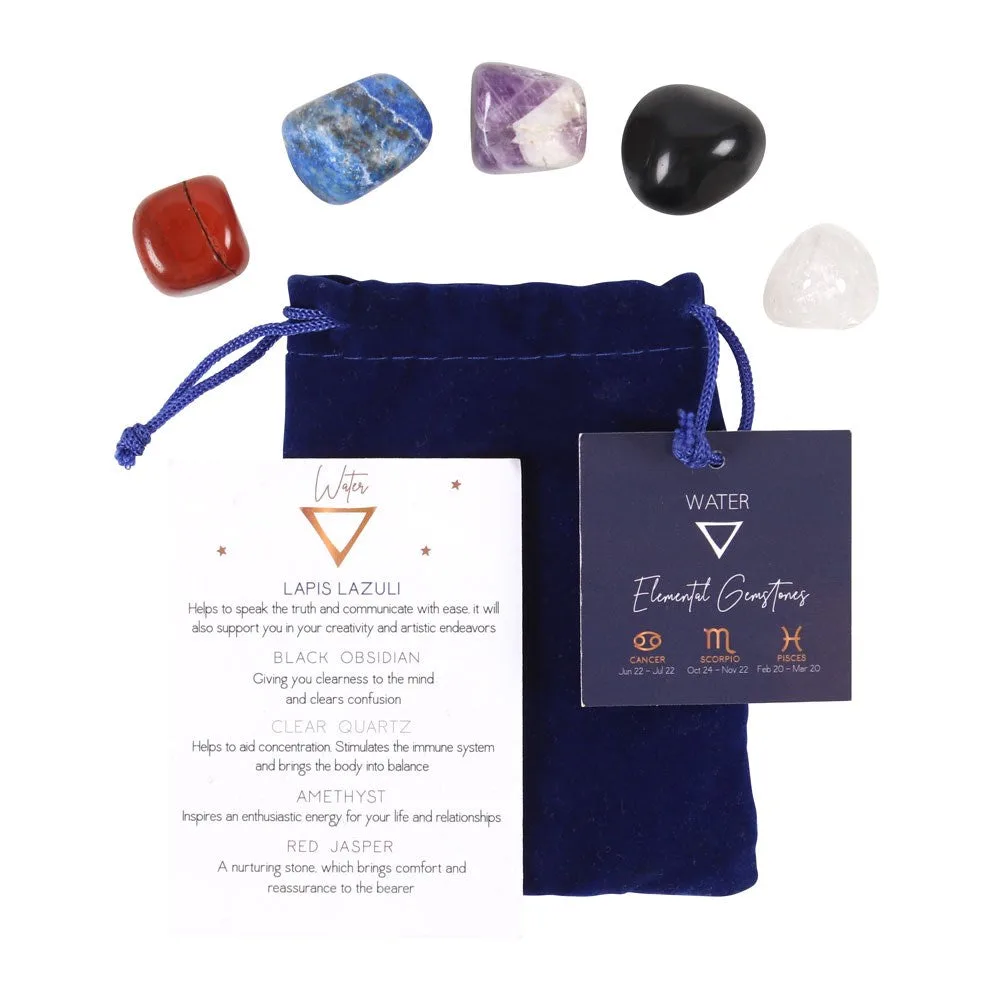
- Water Element Tumbled Stone Set: The Water Element Tumbled Stone Set includes five tumbled stones — Lapis Lazuli, Black Obsidian, Clear Quartz, Amethyst, and Red Jasper — in a protective velvet drawstring bag. A ready-made tumbled set is the fastest way to cover several stones at once and comes with storage, which suits gifting and grid work.
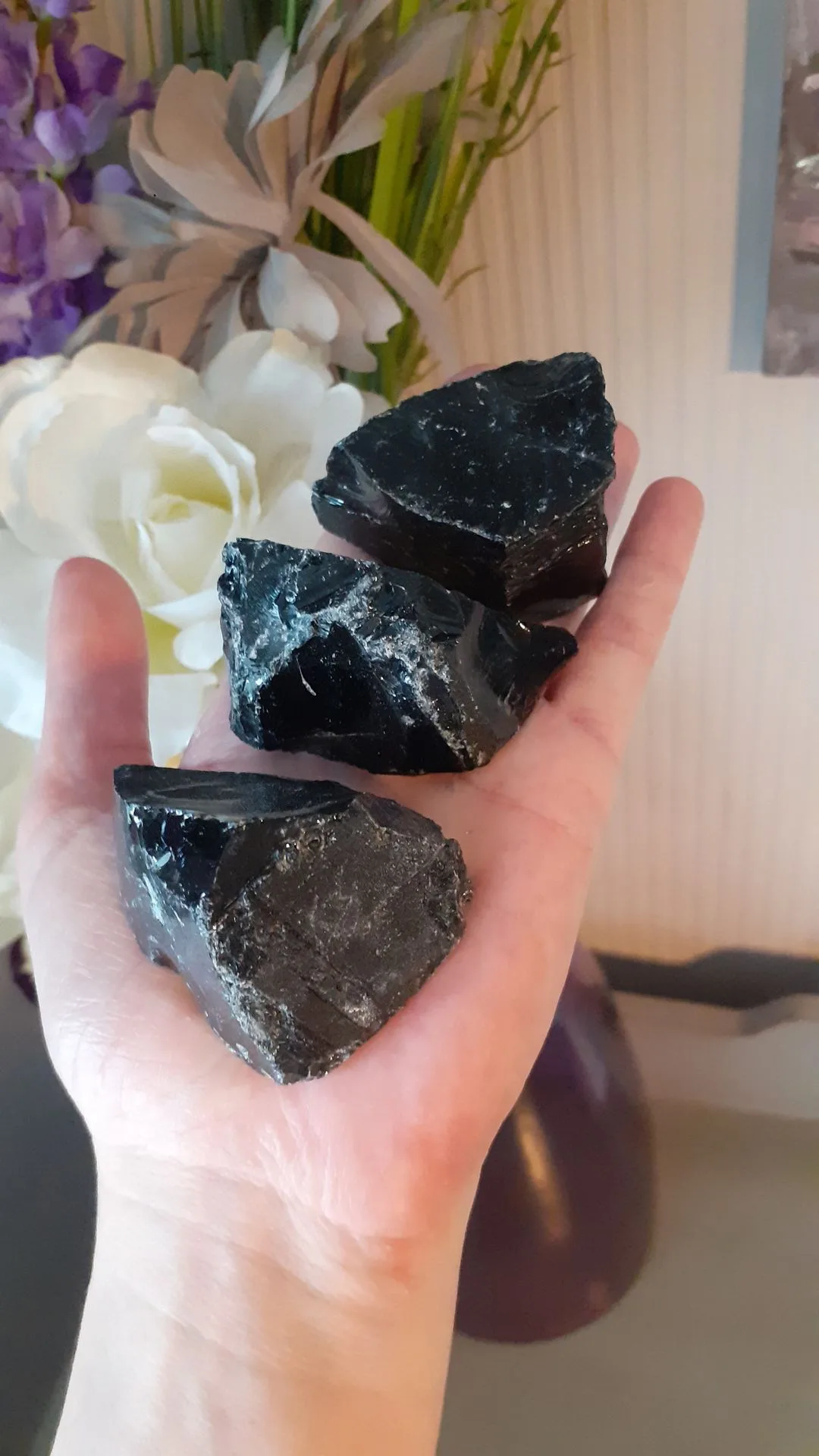
- Large Rough Black Obsidian - 1 Piece: Large Rough Black Obsidian is sold as one piece, approximately 7 cm x 6 cm, and is on clearance due to overstock. This is a single rough specimen sized for display rather than pocket carry, and the clearance price makes it a low-cost way to test whether you enjoy rough pieces.
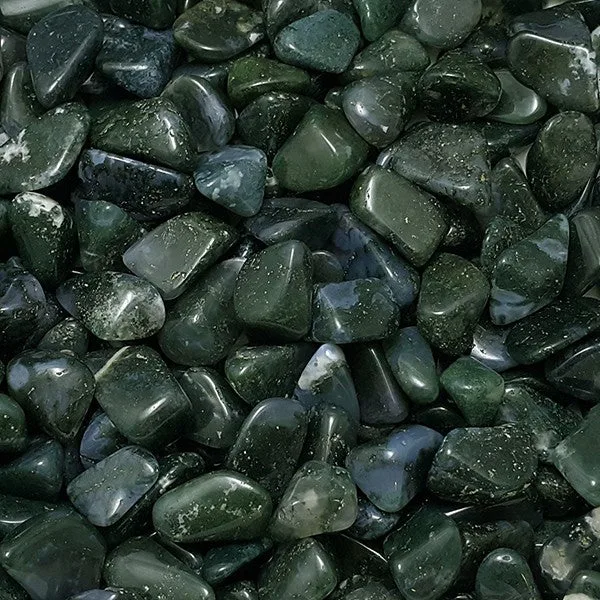
- Green Moss Agate Tumbled Stone - 1 Piece: Green Moss Agate Tumbled Stone is sold as one piece, approximately 1.5 cm. A small tumbled single is the budget-friendly entry point if you want to try one stone before committing to a set.
Which form fits you?
Rough crystals are best for
- Collectors who want a single display specimen with natural character
- Shelf, altar, or desk arrangements where size and presence matter
- Buyers who already know the stone they want and prefer one larger piece
Rough crystals are not for
- Daily pocket carry, where uneven edges and weight are inconvenient
- Grids that need evenly sized stones
- Anyone who wants a ready-made gift set with storage included