Rubio Monocoat 2C is a favorite among woodworkers for its durability and natural matte finish. Unlike traditional finishes that build a film on the surface, Rubio Monocoat bonds with the wood fibers, creating a protective layer that is both tough and breathable. This guide will walk you through the entire application process, from surface preparation to the final buff, ensuring you get the best results for your project.
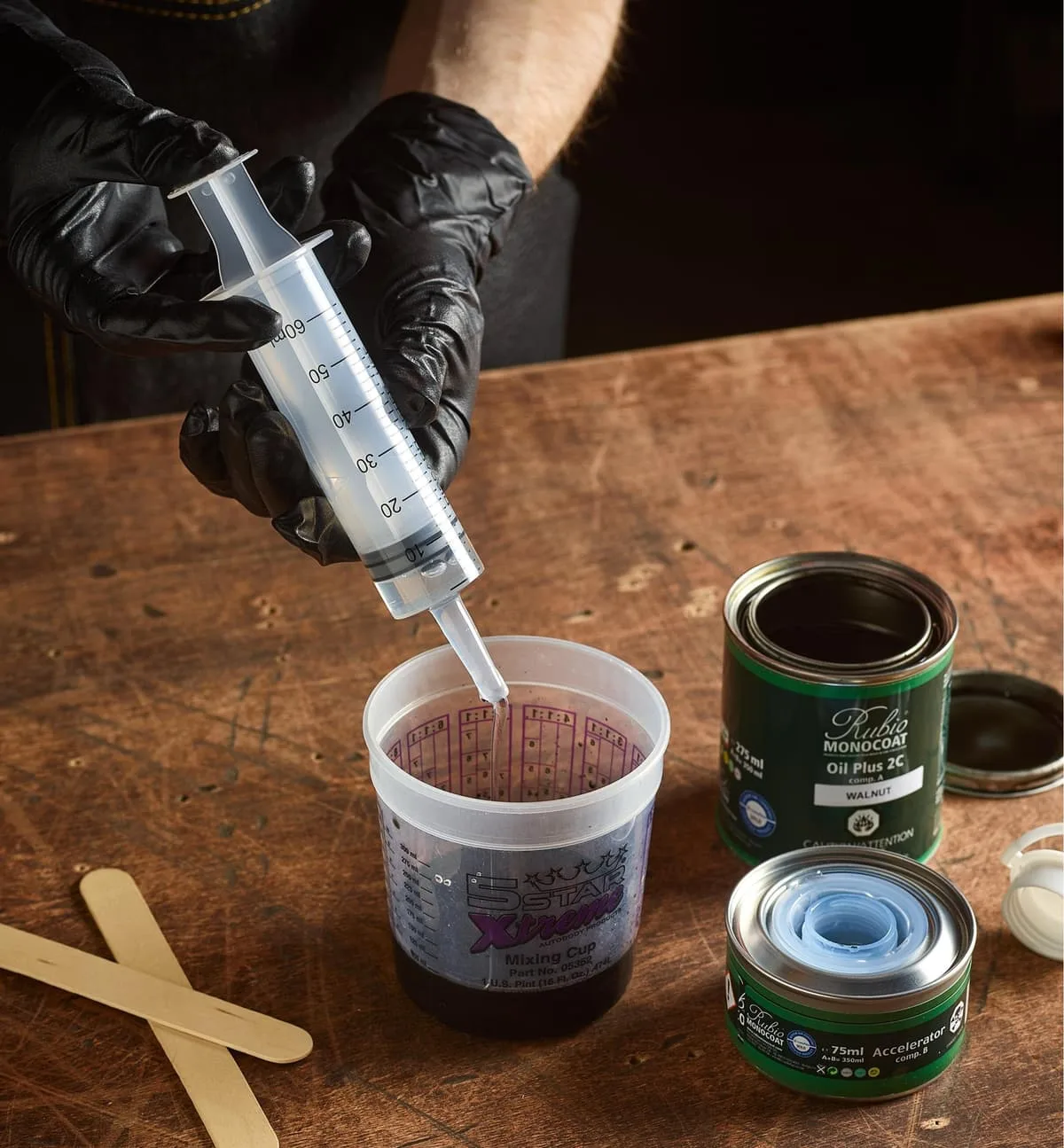
Rubio Monocoat 2C
Whether you're finishing a tabletop, a cutting board, or a wooden toy, the key to success lies in proper preparation and technique. In this article, we'll cover the essential steps, tools, and tips to achieve a flawless, long-lasting finish. We'll also mention some handy tools from Lee Valley that can make the job easier.
Why Choose Rubio Monocoat 2C?
Rubio Monocoat 2C is a two-component, plant-based oil finish that is renowned for its durability and ease of application. Unlike conventional finishes that require multiple coats and long drying times, Rubio Monocoat bonds with the wood in a single coat, saving you time and effort. The result is a resilient surface that is resistant to water, scratches, and everyday wear.
One of the standout features of Rubio Monocoat is its natural appearance. It enhances the wood's grain and color without leaving a plastic-like film. This makes it an excellent choice for furniture, flooring, and other projects where you want the wood to feel and look natural. Plus, it's safe for food contact once cured, making it ideal for cutting boards and kitchen items.
- Single-coat application saves time
- Bonds with wood fibers for durability
- Natural matte finish that enhances grain
- Food-safe once cured
Tools and Materials You'll Need
Before you begin, gather all the necessary tools and materials. Having everything ready will make the process smoother and more enjoyable. You'll need Rubio Monocoat 2C (Part A and Part B), a mixing container, a stir stick, a high-quality applicator pad or brush, lint-free cloths, and a sanding block or orbital sander with fine grit sandpaper.
For surface preparation, you'll want to ensure your wood is sanded to at least 120 grit, but 180 grit is recommended for a smoother finish. A random orbital sander can speed up the process and give you a consistent surface. Lee Valley offers a range of sanding tools and accessories that can help you achieve the perfect finish.
- Use a sanding block or orbital sander for even sanding
- Lint-free cloths are essential for a clean application
- A mixing container and stir stick for combining parts
Step-by-Step Application Process
Start by preparing the wood surface. Sand the wood progressively from coarse to fine grit, finishing with 180 grit. Remove all dust with a vacuum and a tack cloth. The surface must be clean and dry before applying the finish.
Next, mix Rubio Monocoat 2C according to the manufacturer's instructions. Typically, you mix Part A and Part B in a specific ratio, usually 3:1 by volume. Stir thoroughly for at least 2 minutes to ensure a uniform mixture. Once mixed, you have a limited working time, so prepare only as much as you need for the project.
Apply the mixture generously to the wood using an applicator pad or a brush. Rub it into the wood in circular motions, ensuring full coverage. Let it sit for a few minutes to allow the oil to penetrate, then wipe off the excess with a clean, lint-free cloth. This is crucial to avoid a sticky or blotchy finish.
Allow the finish to cure for the recommended time, usually 24 to 48 hours, depending on humidity and temperature. Once cured, you can apply a second coat if desired, but Rubio Monocoat is designed to be a single-coat system. For high-traffic areas, a second coat can add extra protection.
- Always test on a scrap piece first
- Work in small sections to avoid overlap marks
- Apply in a well-ventilated area
Tips for a Flawless Finish
To achieve the best results, pay attention to the details. Sanding is the most critical step; a well-sanded surface will ensure the finish absorbs evenly. Use a sanding block or a random orbital sander to avoid uneven pressure. Lee Valley offers a variety of sanding tools that can help you get a smooth surface.
When applying the finish, use a high-quality applicator pad to spread the oil evenly. Avoid using paper towels, as they can leave lint and fibers behind. For large surfaces, consider using a floor applicator or a lambswool pad for a smooth, even coat.
If you're working on a project with intricate details or tight corners, a brush can help you get into hard-to-reach areas. Just make sure to work quickly to avoid brush marks. After applying, buff the surface with a soft cloth to enhance the sheen and ensure a smooth finish.
- Sand in the direction of the grain for best results
- Use a tack cloth to remove all dust before finishing
- Buff the surface after the initial wipe-off for extra smoothness
Common Mistakes to Avoid
One common mistake is applying too much product. Rubio Monocoat is meant to be applied in a thin, even layer. Excess oil will not absorb and can leave a sticky residue. Always wipe off the excess thoroughly after a few minutes.
Another mistake is not sanding to a fine enough grit. If the wood is too rough, the finish will look uneven and may not bond properly. Take the time to sand properly; it makes a world of difference.
Skipping the test coat is also a pitfall. Always test on a scrap piece of wood to get a feel for the application and to ensure the color and sheen are what you expect. This is especially important when using tinted versions of Rubio Monocoat.
- Don't over-apply the finish
- Always sand to at least 180 grit
- Test on scrap wood first
Recommended Tools from Lee Valley
Lee Valley offers a range of tools that can help you achieve a professional finish with Rubio Monocoat 2C. For sanding, consider using a random orbital sander like the Mirka PROS 6, which features a self-generated vacuum to keep your work area clean and improve visibility. This sander is lightweight and comfortable to use, making it ideal for both small and large projects.
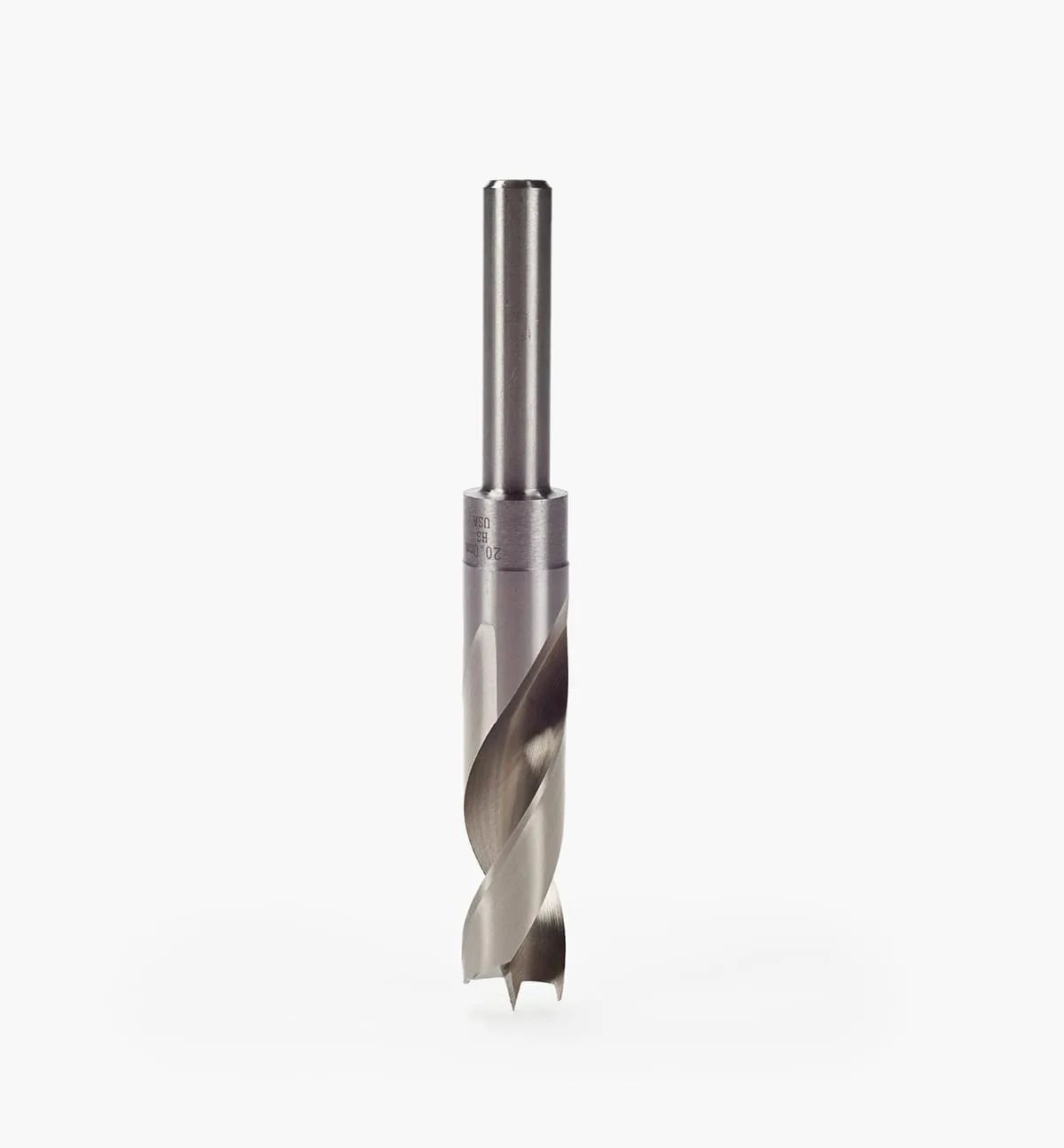
For precise application, a high-quality brush or applicator pad can make a significant difference. Lee Valley's selection of finishing tools includes everything you need to apply the finish evenly and smoothly. Additionally, if you're working on a project that requires drilling holes for hardware, the Drill Bit/Countersink/Counterdrill Units are perfect for creating clean, countersunk holes without splitting the wood.
- Use a Mirka sander for efficient dust-free sanding
- Drill bit units help create clean holes for hardware
Applying Rubio Monocoat 2C is a rewarding process that yields a beautiful, durable finish. By following these steps and using the right tools, you can achieve professional results on your woodworking projects. For all your finishing needs, explore Lee Valley's selection of sanders, applicators, and other tools to make your next project a success.