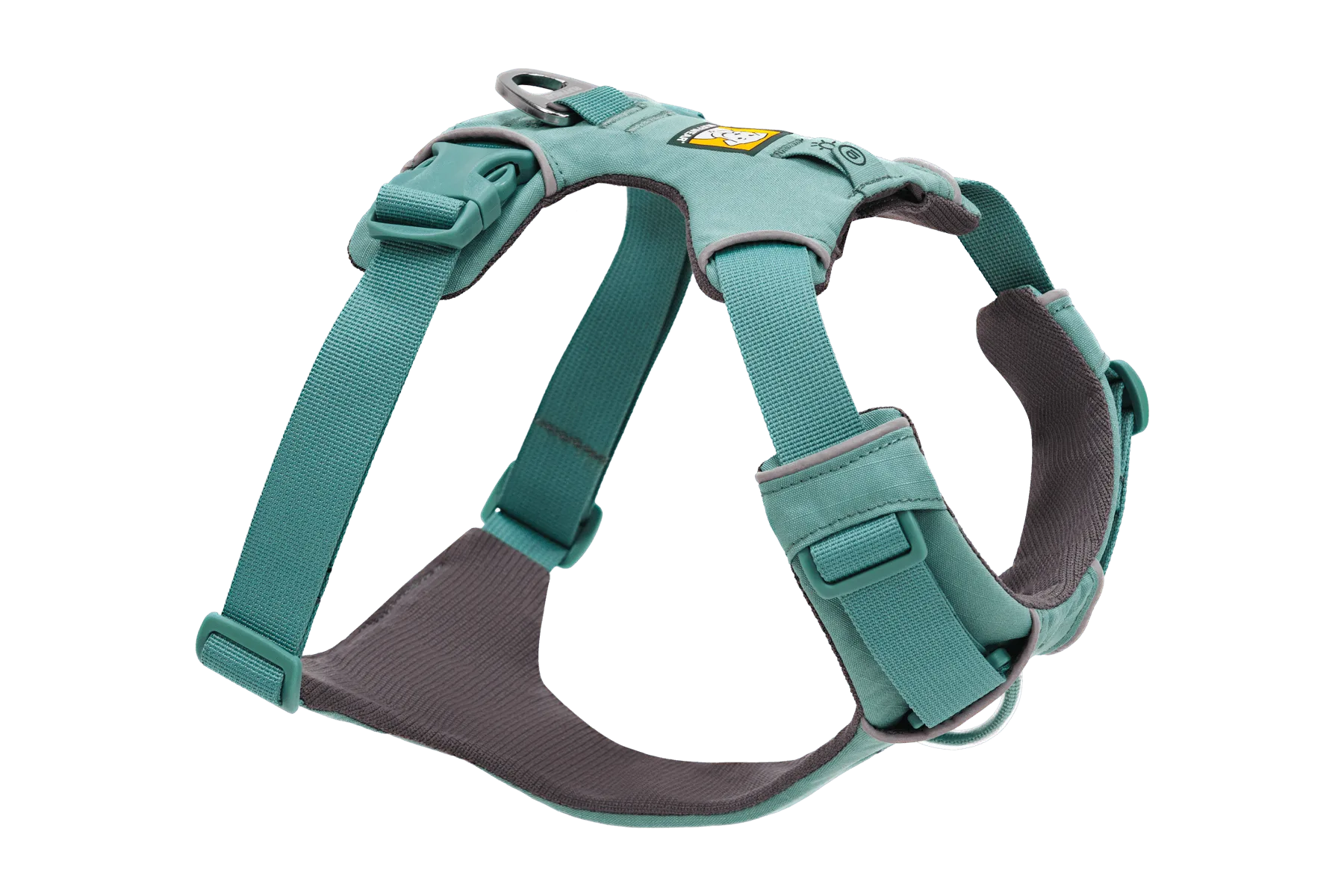
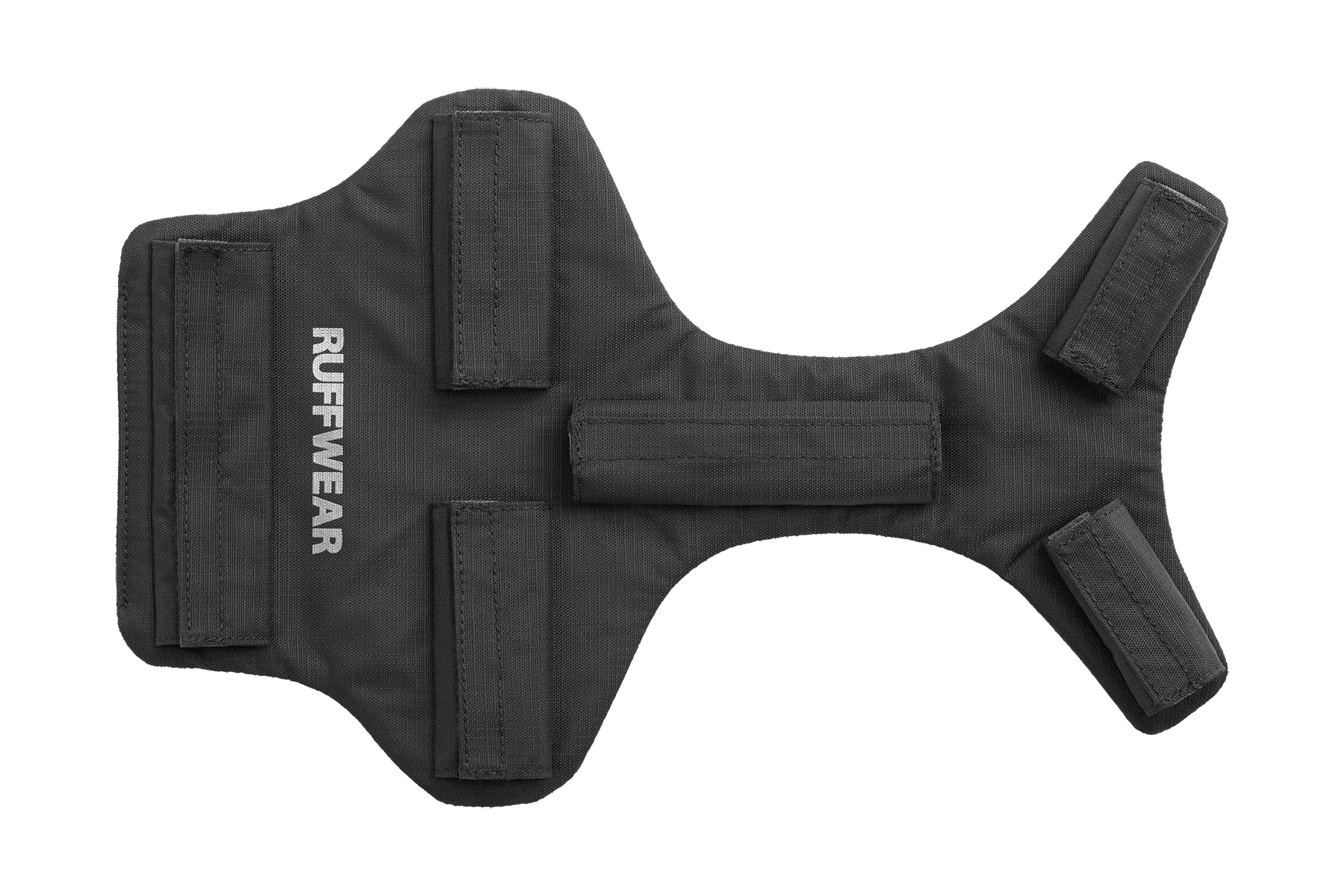
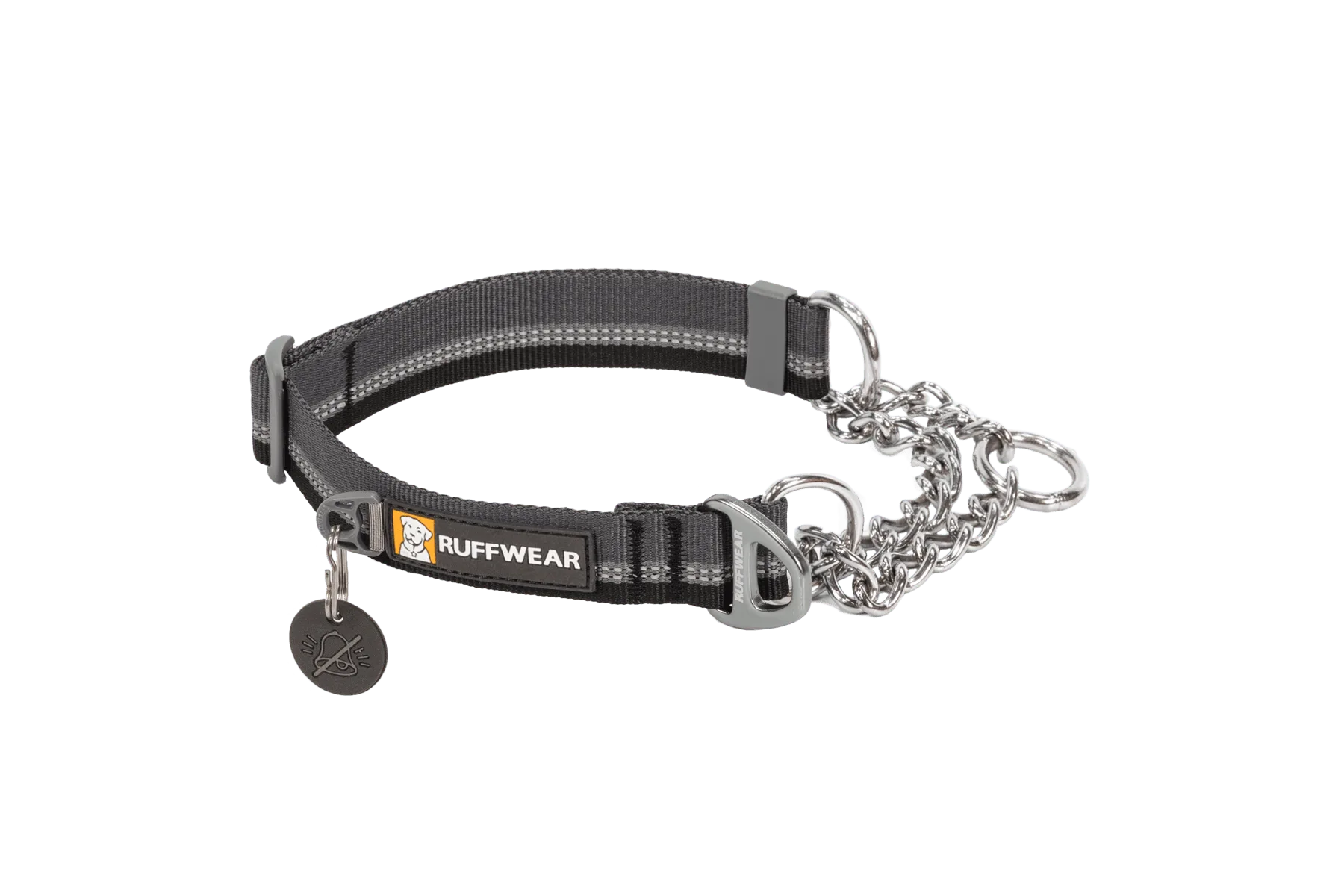
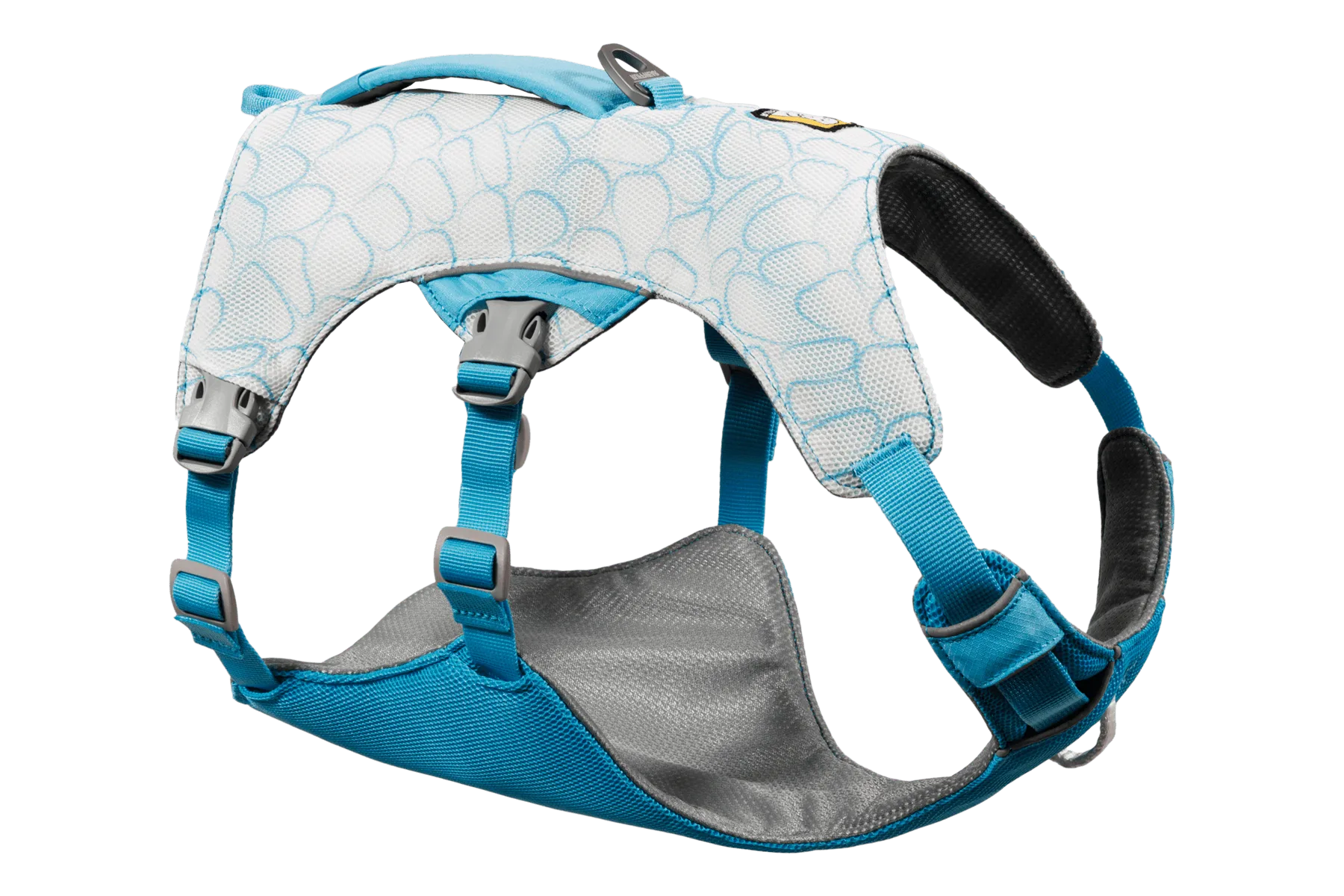
The Ruffwear Doubleback Full Body Harness is designed for dogs that are masters of escape — whether they slip out of traditional harnesses or back out of collars. Its full-body design wraps around the chest and belly, providing an extra layer of security. But to truly make it escape-proof, a proper fit is essential. A poorly fitted harness can lead to discomfort, chafing, or even defeat the purpose of security. In this guide, we'll walk you through the step-by-step process of fitting the Doubleback harness correctly, so you and your dog can enjoy peace of mind on every adventure.
Before you begin, ensure you have the correct size based on your dog's measurements. Ruffwear provides a sizing chart using chest girth and neck girth. Measure your dog's chest at the widest part (just behind the front legs) and the neck at the base. Compare these to the chart to select the right size. The Doubleback comes in sizes XS to XL/XXL. If your dog is between sizes, consider the larger size for comfort, but note that the harness must be snug to prevent escape.
Step 1: Loosen All Straps Before Putting On
Start by fully loosening all four adjustment points: the two chest straps (one on each side) and the two belly straps. This makes it easier to slide the harness over your dog's head and secure it without pulling or stressing your dog. The harness has a single buckle on the chest, so unbuckle it and lay the harness flat. Place your dog's front legs through the chest openings, then bring the buckle together and fasten it. The harness should sit comfortably around the chest, with the padded panels centered on the sternum.
Once buckled, check that the harness is not twisted. The webbing should lie flat against your dog's body. The Doubleback features a padded chest plate and belly band for comfort, so ensure these are positioned correctly. The belly band should sit just behind the ribcage, not too far back on the abdomen. If it's too far back, your dog may be able to back out of it.
Step 2: Adjust the Chest Straps for a Snug Fit
The chest straps are the primary security feature. Tighten them evenly on both sides until the harness fits snugly around the chest. You should be able to slide two fingers flat between the strap and your dog's body — not more, not less. If the chest straps are too loose, your dog can slip a leg out; too tight, and it may restrict breathing or cause discomfort. The Doubleback's chest straps have a quick-adjust buckle for easy tightening.
Pay attention to the position of the front attachment point (for leash) and the rear attachment point (for the belly band). The front D-ring should sit on the dog's chest, not off to the side. If it's off-center, adjust the straps to center it. A centered front attachment helps with steering and prevents the harness from twisting.
- Tip: If your dog has a deep chest, you may need to tighten the chest straps slightly more to prevent the harness from slipping backward.
Step 3: Adjust the Belly Straps for Security
The belly straps are what make the Doubleback escape-proof. They wrap around the dog's abdomen, just behind the ribs. Tighten them so they are snug but not tight enough to dig in. Again, use the two-finger rule. The belly straps should be even on both sides. If one side is tighter than the other, the harness may rotate, creating a gap that allows escape.
After adjusting, check that the belly band is not too far forward (on the ribs) or too far back (on the soft abdomen). The ideal position is right behind the ribcage. This placement ensures that if your dog tries to back out, the belly band catches on the widest part of the ribcage, preventing escape. The Doubleback's belly straps have reflective trim for visibility, so ensure it's facing outward.
Step 4: Perform the Escape Test
Once all straps are adjusted, do a quick security check. With the harness on, gently try to pull the harness backward over your dog's head or down over the shoulders. If it moves easily, the straps are too loose. Tighten them further. Also, have your dog walk around and sit. The harness should stay in place without shifting. If it shifts, readjust.
For extra security, you can attach a leash to both the front and back D-rings using a double-ended leash or a coupler like the Double TrackTM Dog Leash Coupler. This gives you two points of control and reduces the chance of escape during walks. Additionally, consider pairing the harness with a Guide Dog Leash for reliable handling.
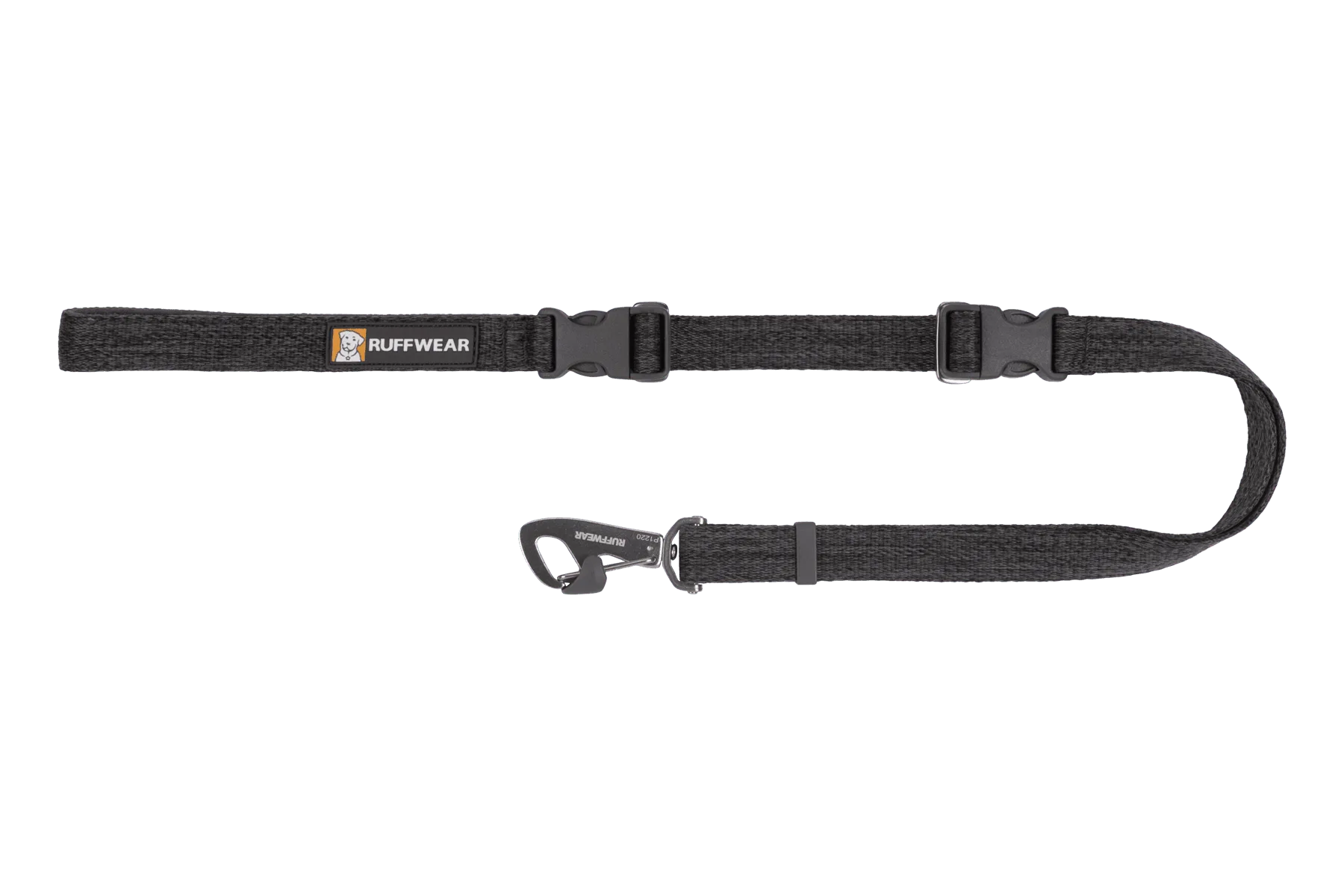
Guide Dog Leash
- Tip: If your dog is a known escape artist, practice the escape test in a safe, enclosed area before relying on the harness off-leash.
Step 5: Fine-Tune for Comfort and Mobility
A secure harness should not restrict your dog's movement. Check that the front legs have full range of motion — no rubbing under the armpits. The chest pad should not press on the trachea. If it does, the chest straps may be too high or too tight. Adjust the position by loosening and repositioning the harness slightly higher or lower on the chest.
The Doubleback is designed for active dogs, so it's important that your dog can run, jump, and lie down comfortably. After a few minutes of activity, recheck the fit. Some dogs may need a slight adjustment after movement. The harness's padded panels are breathable, but if you notice excessive sweating or redness, loosen the straps slightly. Always monitor your dog during the first few uses to ensure the fit is correct.
Properly fitting the Ruffwear Doubleback Full Body Harness is key to its escape-proof design. By following these steps — loosening all straps, adjusting chest and belly bands, performing an escape test, and fine-tuning for comfort — you can ensure your dog stays secure and comfortable on every adventure. For added safety and control, explore the Double TrackTM Dog Leash Coupler to use with your Doubleback harness.