Quick Answer
Choose a running board if you need daily cab entry and a sleeker side profile; choose a hitch step if you tow and want rear access without affecting ground clearance.
Where each step helps most
A running board mounts along the rocker panel, giving you a stable platform for getting in and out of the cab. It also protects the lower body from minor scrapes and adds a rugged side profile. A hitch step slides into your 2-inch receiver, so it sits behind the vehicle—useful for reaching roof racks, tailgates, or trailers—but it doesn't help with front-seat entry.
The trade-off comes down to position. If your truck is lifted and you climb in several times a day, a running board is the more practical choice. If you mostly need a step for the rear area and you already have a hitch receiver, a hitch step costs less and installs in minutes.
Towing and clearance considerations
A hitch step occupies the receiver, which can interfere with towing accessories like ball mounts or bike racks. If you tow regularly, you'll need to remove the step each time—unless you choose a step that leaves the receiver open for a tow ball. Running boards don't affect towing at all, but they do reduce ground clearance and can catch on rocks in serious off-road terrain.
For lifted Jeeps, a drop-style running board like the ARMORDILLO® AR Drop Step brings the step lower for easier entry while keeping a tight fit near the rocker panel. That design helps in daily use but still adds width. A hitch step keeps the sides clear, which is better for narrow trails.
Trade-off decision rules
- Daily driver, stock height: Choose a running board. It gives you a consistent step at the side doors and protects the rocker panels from parking-lot dings. Measure the step height from the ground to your door sill to confirm the drop step fits your lift.
- Frequent tower: Skip the hitch step or use a removable one. A receiver-mounted step blocks your tow ball and adds rear overhang. If you must have both, look for a hitch step that leaves the receiver open or is quick to slide out.
- Off-road and narrow trails: Prefer a hitch step. It keeps the sides clear and doesn't reduce ground clearance like side-mounted steps. Check that the hitch step doesn't extend too far past the bumper and catch on departure angles.
Product facts at a glance
-
ARMORDILLO® AR DROP STEP 2007-2018 JEEP Wrangler JK Unlimited Side Steps Running Board - Matte Black: The ARMORDILLO® AR Drop Step mounts close to the rocker panel for a tight, factory-refined appearance and is built for lifted trucks. This gives you a lower step for easier cab entry without the bulky look of traditional side bars.
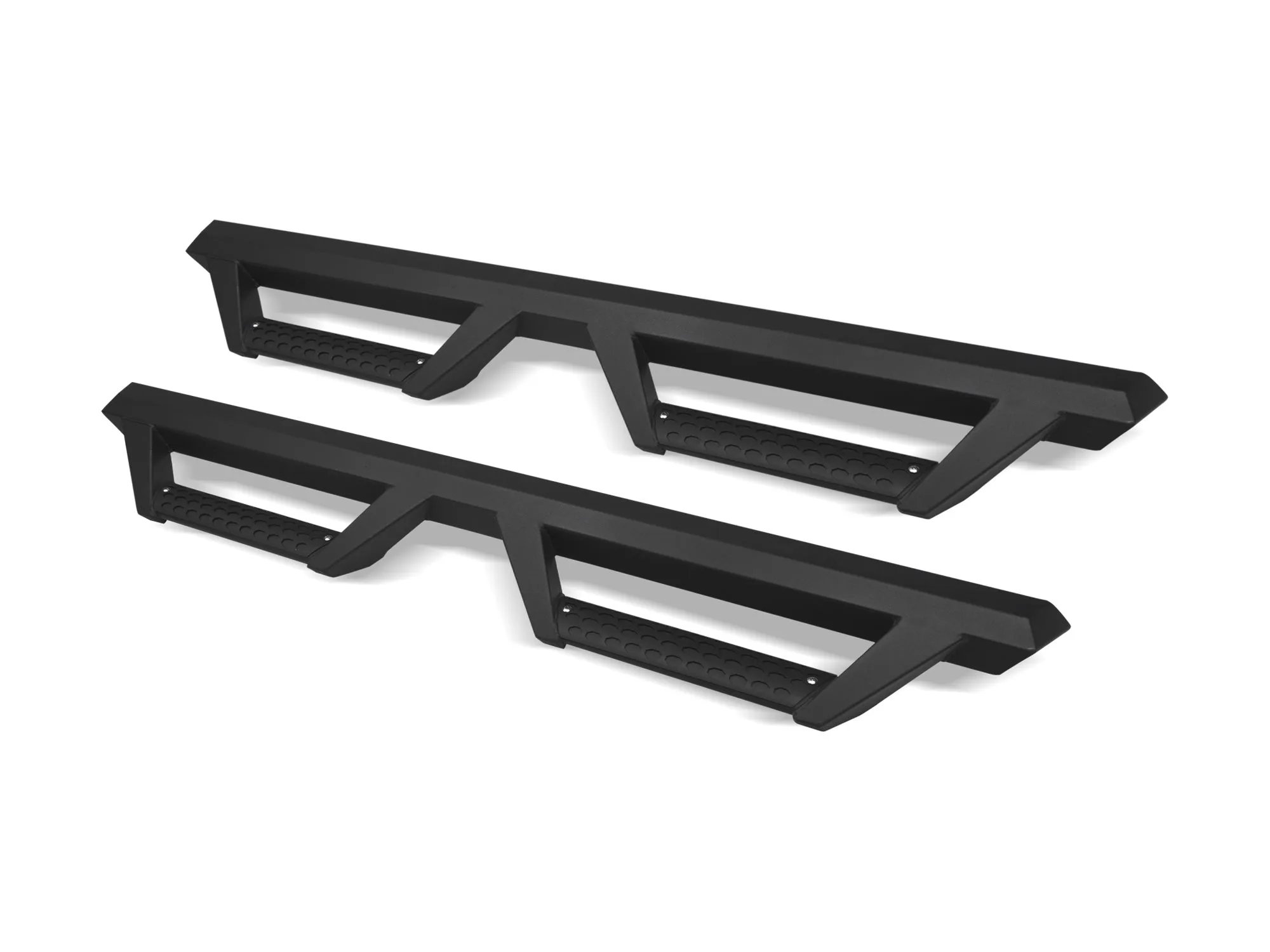
ARMORDILLO® AR DROP STEP 2007-2018 JEEP Wrangler JK Unlimited Side Steps Running Board - Matte Black
-
ARMORDILLO® 2018-2024 Jeep Wrangler JL Trailer Hitch Tow Hitch 2-Inch Receiver -Gloss Black: This Class 3 trailer hitch receiver is rated for 5,000 lb weight carrying capacity and 500 lb tongue weight, and fits 2018–2024 Jeep Wrangler JL models. If you tow with your JL, a hitch step inserted here must be removed before attaching a ball mount—plan for quick-release designs.
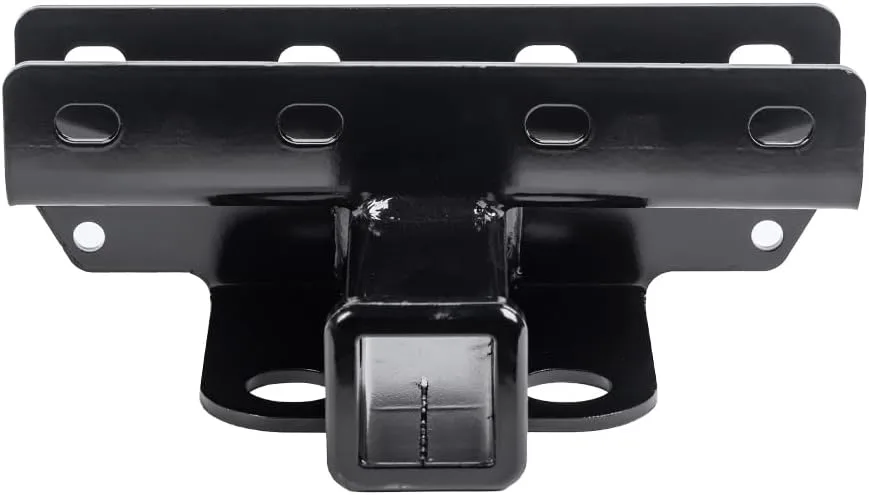
ARMORDILLO® 2018-2024 Jeep Wrangler JL Trailer Hitch Tow Hitch 2-Inch Receiver -Gloss Black
Who should choose what
Best for
- Family drivers who need easy cab entry for kids and passengers
- Truck owners who tow occasionally and want a rear step for tailgate access
Not for
- Serious off-roaders who need maximum ground clearance and no side protrusion
- Towers who use the receiver daily and don't want to remove a step each time