Start with the sheath you actually have
The Leatherman Rustle Knife Sheath is a dedicated Kydex® sheath made in the USA for the Rustle knife. Before you experiment with belt positions, check that the sheath is designed for your knife model—this one is built specifically for the Rustle, so fit is not a guessing game.
The sheath is waterproof and won’t warp or crack in extreme heat or cold, which means the carry position you choose won’t be compromised by weather or temperature swings. That matters if you plan to wear it through summer heat, winter cold, or wet conditions.
Vertical vs. horizontal: what changes on your belt
Vertical carry places the sheath perpendicular to your belt, with the handle pointing up or down. It typically keeps the knife close to your body and works well when you want the sheath to sit along your hip or thigh. Horizontal carry lays the sheath parallel to the belt, often toward the front or back. It can be more comfortable when you sit, drive, or crouch, but it may interfere with arm movement or gear on your waist.
The Rustle sheath’s Kydex® construction is rigid and non-porous, so it holds its shape in either orientation. There is no soft leather to break in or stretch, which means the position you set is the position you get—no gradual molding to your belt line.
How to set up the sheath on your belt
Use these steps as a starting point. The sheath’s belt attachment method is not detailed in the supplied information, so work with the loop or clip your sheath arrived with and adjust as needed.
- Thread the sheath onto your belt: Slide the sheath’s belt loop or attachment over your belt before putting the belt on. This is easier than trying to clip it on while wearing the belt.
- Choose a starting position: Begin with the sheath on your dominant side, slightly behind your hip. This is a common starting point for vertical carry and keeps the knife out of the way when you walk.
- Check access with your knife inserted: With the Rustle knife in the sheath, reach for the handle as you would in use. If your wrist or forearm catches on the handle, try moving the sheath forward or backward along your belt.
- Test sitting, bending, and driving: Sit in a chair, bend at the waist, and simulate driving. If the sheath digs into your side or the handle presses into your stomach, shift the position or try horizontal carry.
- Lock in the position that clears your gear: Check that the sheath does not collide with a tool pouch, phone holster, or other items on your belt. A clear draw path matters more than a specific clock position.
Why the sheath material affects carry position
Kydex® is a thermoplastic that holds its shape. The Rustle sheath is non-porous, so it won’t absorb sweat, rain, or food residue. That makes it easy to clean—simply wipe with soap and water—which is useful if you use the knife for food prep and want to avoid bacteria buildup.
Because the sheath is waterproof and resistant to warping or cracking in extreme temperatures, you can choose a carry position based on comfort and access rather than worrying about the material degrading. A leather sheath might soften or stretch with sweat and weather; this one stays consistent.
Rustle Knife Sheath at a glance
-
Rustle™ Knife Sheath: Designed for the Leatherman RustleTM Knife, this US-made Kydex® sheath is waterproof. Confirms the sheath is purpose-built for the Rustle, so belt position experiments won’t be thrown off by a loose or oversized fit.
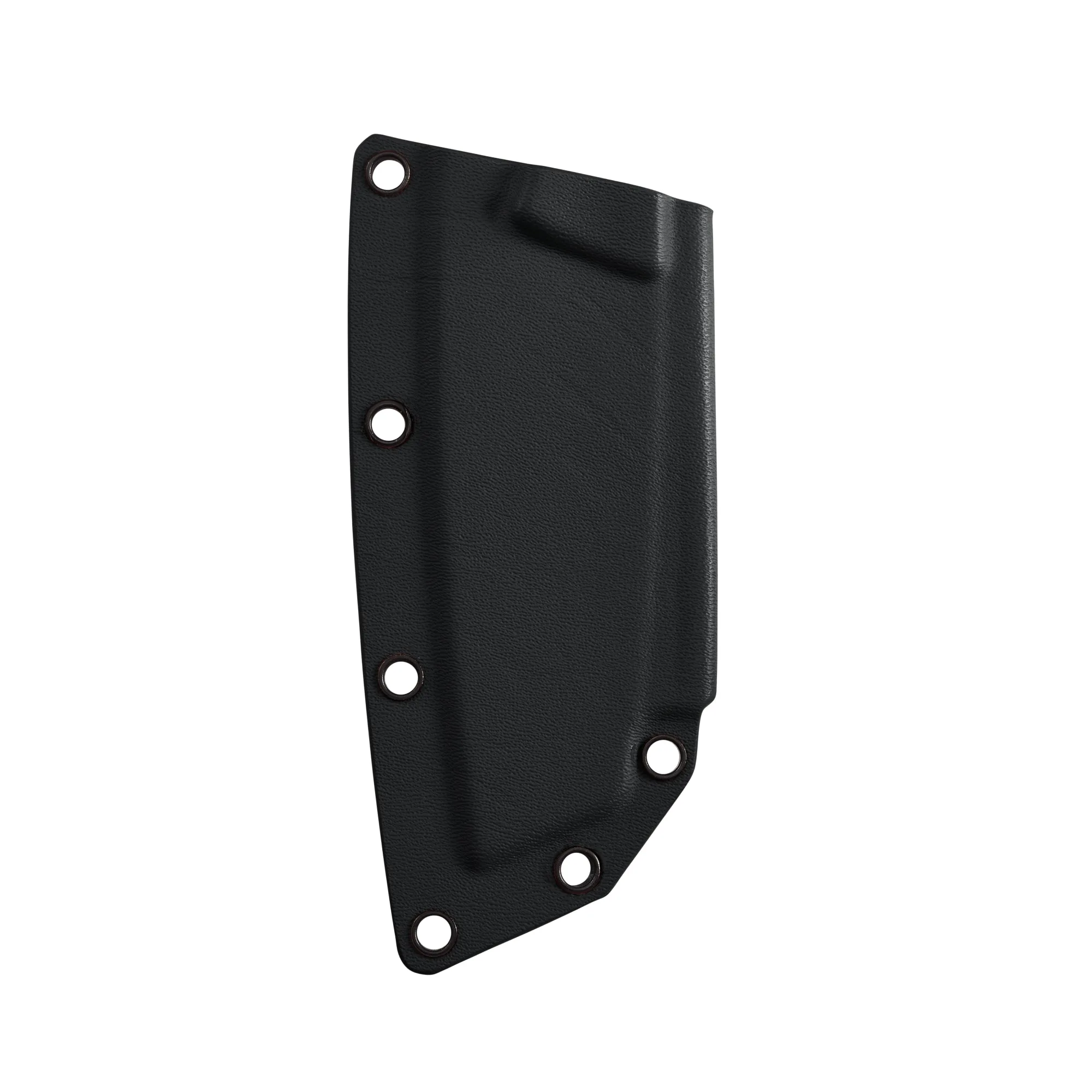
Rustle™ Knife Sheath
-
Rustle™ Knife Sheath: It won’t warp or crack in extreme heat or cold, so you can take it to any climate. Means your chosen carry position remains stable whether you’re in a hot car, cold workshop, or wet field.
-
Rustle™ Knife Sheath: It’s non-porous and easy to clean—simply wipe with soap and water—to prevent bacteria buildup from food prep. Supports using the sheath for a knife that sees food duty; easy cleaning keeps the sheath hygienic regardless of where it rides on your belt.
Color choice and visibility on your belt
The Rustle Knife Sheath comes in Black and Orange. Color does not change fit or carry position, but it can affect how visible the sheath is on your belt. Black blends in with dark belts and clothing; Orange stands out, which can be helpful if you want to spot your knife quickly in a pack or on a cluttered workbench.
If you wear the sheath in a professional or public setting where you prefer a low profile, Black is the more discreet option. For outdoor use or job sites where visibility is an advantage, Orange makes the sheath easier to locate.
Checkpoints after you set the carry position
Once you have the sheath where you want it, run through these checks. They focus on what the supplied information supports: fit, material behavior, and cleaning.
- Knife seats fully: The Rustle knife should sit in the sheath without forcing. The sheath is designed for this model, so resistance that feels excessive may mean the knife is not fully seated.
- Sheath stays put: Walk, squat, and climb stairs. The Kydex® shell is rigid, so any movement should come from the belt attachment, not the sheath body bending.
- No hot spots: Check for pressure points where the sheath meets your hip or thigh. Adjust the position along your belt until the sheath lies flat against your body.
- Clean after food use: If you used the knife for food prep, wipe the sheath with soap and water. The non-porous surface makes this quick, and it helps prevent bacteria buildup.
When to reconsider your carry position
If you find yourself adjusting the sheath repeatedly during the day, or if the handle interferes with your arm swing, try a different spot on your belt. Vertical carry near the back of the hip often works for walking and standing; horizontal carry across the front or back can be better for sitting and driving.
The Rustle sheath’s rigid Kydex® body means you won’t get a break-in period that changes the fit. If a position feels wrong on day one, it will likely stay wrong—so move the sheath rather than waiting for it to adapt. The sheath’s waterproof and temperature-resistant properties mean you can test positions outdoors in real conditions without worrying about damaging the material.