Creating a dedicated baby play area at home is one of the best ways to support your little one's development while giving you peace of mind. A well-designed space encourages exploration, motor skill practice, and sensory learning—all within a safe environment. Whether you have a spare corner in the living room or a full nursery, the key is to balance safety with stimulation.
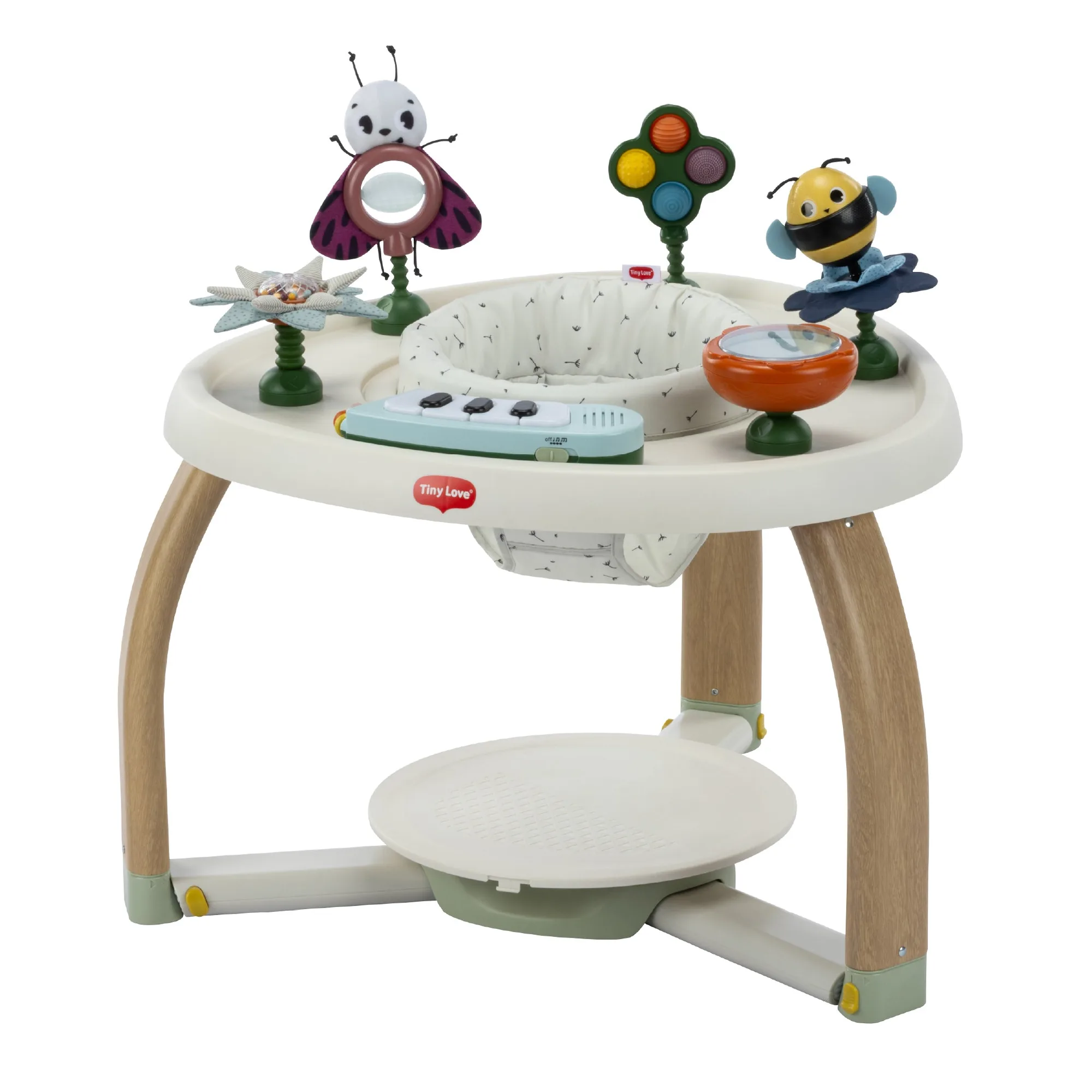
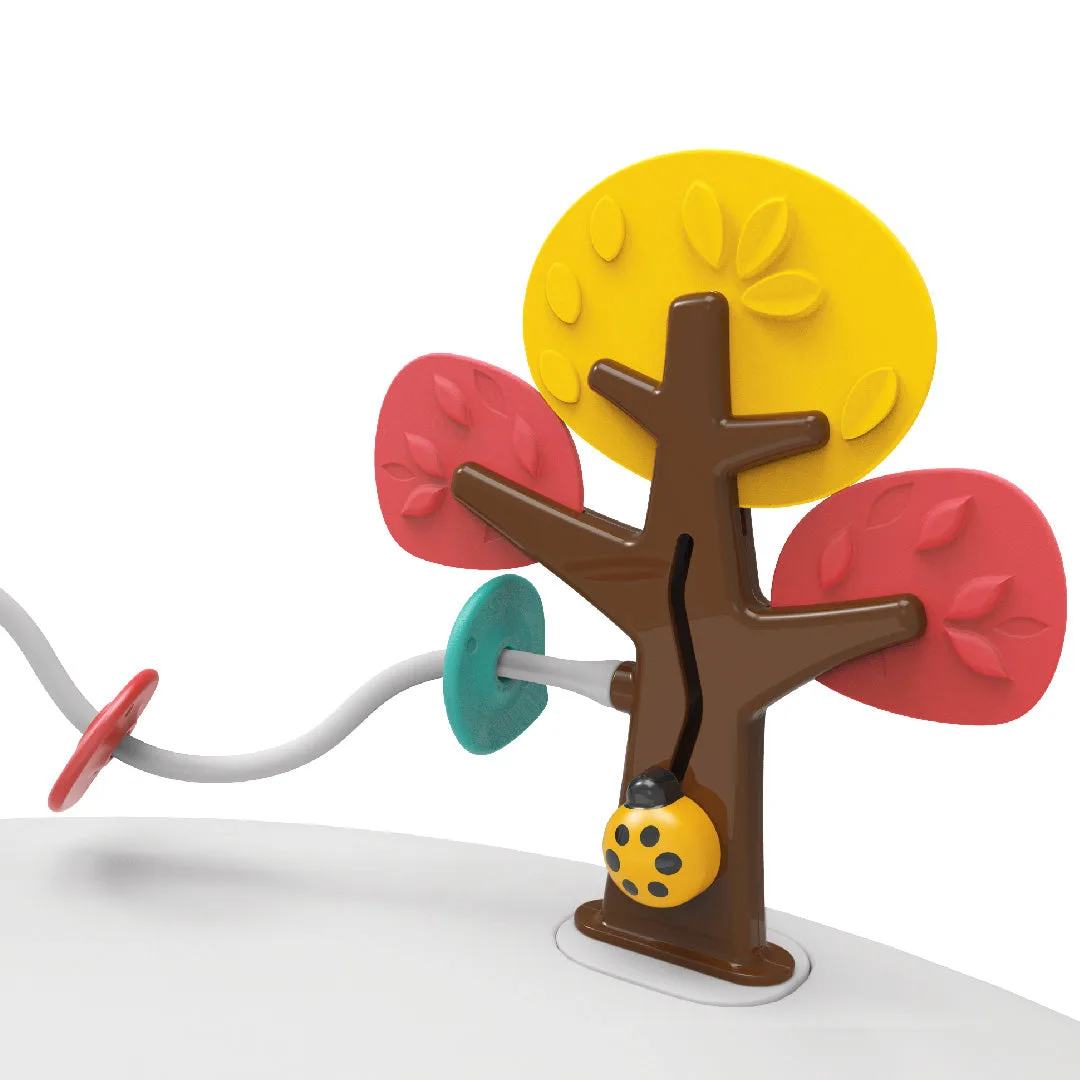
In this guide, we'll walk you through the essential elements of a baby play area, from choosing the right flooring and furniture to selecting toys that grow with your child. You'll learn how to set up a space that adapts from tummy time to active play, using products like the Black & White Panda Take Along Rattle Toy and the https://tinylovecg.com/products/tiny-bugs-5-in-1-here-i-grow-stationary-activity-center-91764Tiny Bugs 5-in-1 Here I Grow Stationary Activity Center to support each milestone.
Choosing the Perfect Spot for Your Baby Play Area
The first step in creating a safe play space is selecting the right location. Ideally, choose a spot that is visible from where you spend most of your time—like the living room or kitchen—so you can supervise easily. Avoid areas near stairs, sharp furniture edges, or heavy objects that could tip over. A flat, carpeted floor is ideal, but you can also use a large play mat on hardwood or tile.
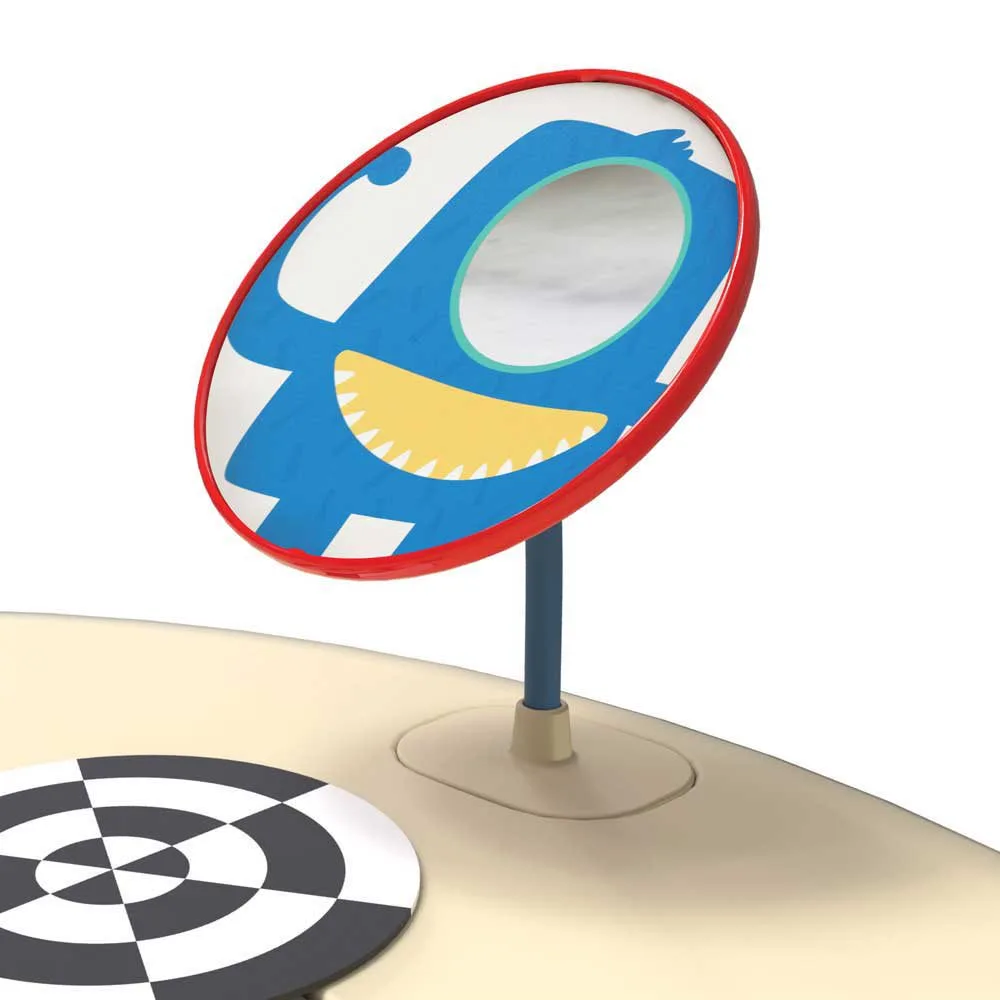
Consider natural light and noise levels. A bright, quiet corner helps your baby focus on play without overstimulation. If the area is near a window, ensure cords from blinds or curtains are out of reach. For newborns, a spot with gentle contrast, like black and white patterns, can aid visual development. Products like the Black & White Décor Luxe Developmental Gymini are perfect for this stage, offering high-contrast visuals and hanging toys.
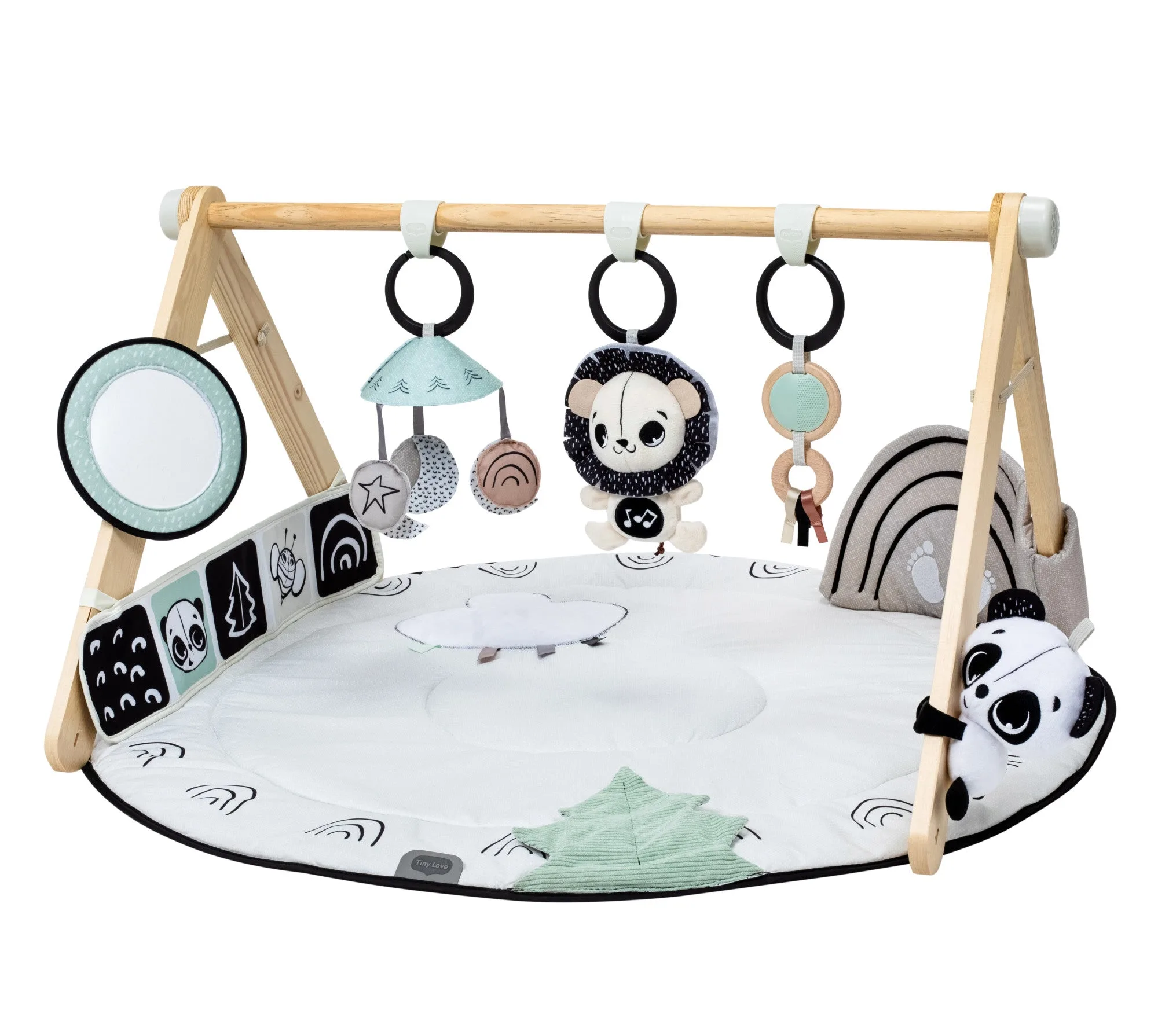
Luxe Developmental Gymini
- Place the play area away from high-traffic zones to reduce distractions.
- Use a soft, washable play mat to cushion falls and make cleanup easy.
Selecting the Right Play Mat for Safety and Comfort
A quality baby play mat is the foundation of any play area. Look for mats that are thick enough to cushion your baby's head during tummy time but firm enough to support early sitting and crawling. Non-toxic, BPA-free materials are a must, and a waterproof surface makes cleaning spills a breeze. Many mats also feature interactive elements like mirrors, textures, and attached toys.
For example, the Black & White Décor Luxe Developmental Gymini is an excellent choice for newborns and infants. It combines a soft play mat with an overhead arch that holds stimulating toys. As your baby grows, you can adjust the arch or add new toys to keep the space engaging. This type of setup supports visual tracking, reaching, and grasping skills from day one.
- Choose a mat with a non-slip bottom to prevent sliding on smooth floors.
- Rotate toys and attachments every few weeks to maintain novelty.
Incorporating an Activity Center for Active Play
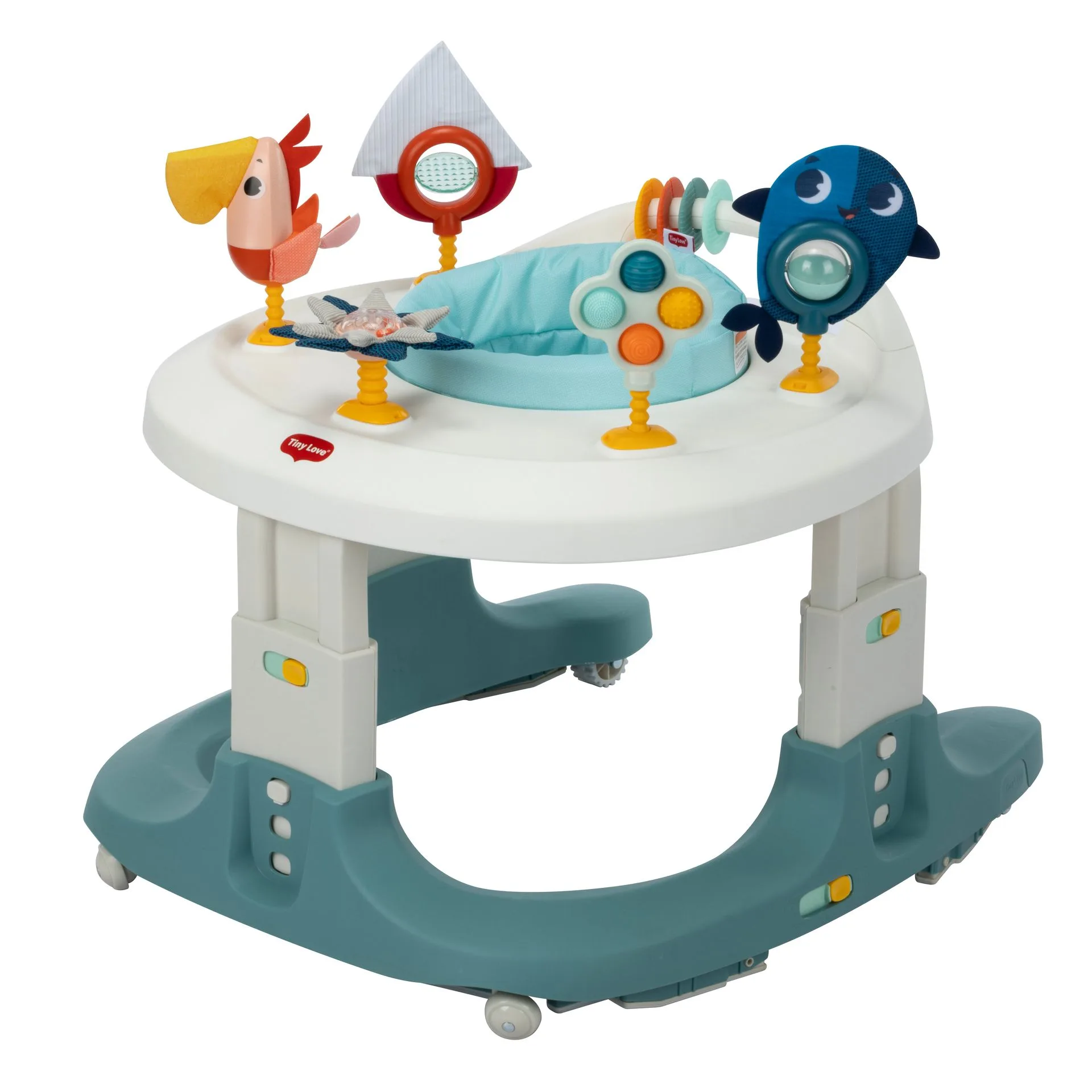
Once your baby can sit with support, around 4-6 months, an activity center becomes a valuable addition. A stationary activity center provides a safe, contained space for your baby to stand, bounce, and explore. Unlike walkers, stationary centers encourage leg strength and balance without the risk of tipping or rolling into hazards.
The Tiny Bugs 5-in-1 Here I Grow Stationary Activity Center is a versatile option that adapts to your baby's development. It starts as a simple seat with toys and converts into a table for older toddlers. The interactive features—spinners, lights, and sounds—promote fine motor skills and cause-and-effect learning. Place it in your play area so your baby can transition from tummy time on the mat to upright play independently.
- Ensure the activity center is on a flat, stable surface.
- Check weight limits and adjust height settings as your baby grows.
Adding Sensory and Developmental Toys
Toys are the heart of a stimulating play area. Focus on items that target different senses: sight, sound, touch, and even smell. For newborns, high-contrast black and white toys are ideal for visual development. As your baby grows, introduce rattles, teethers, and toys with varied textures to encourage grasping and mouthing.
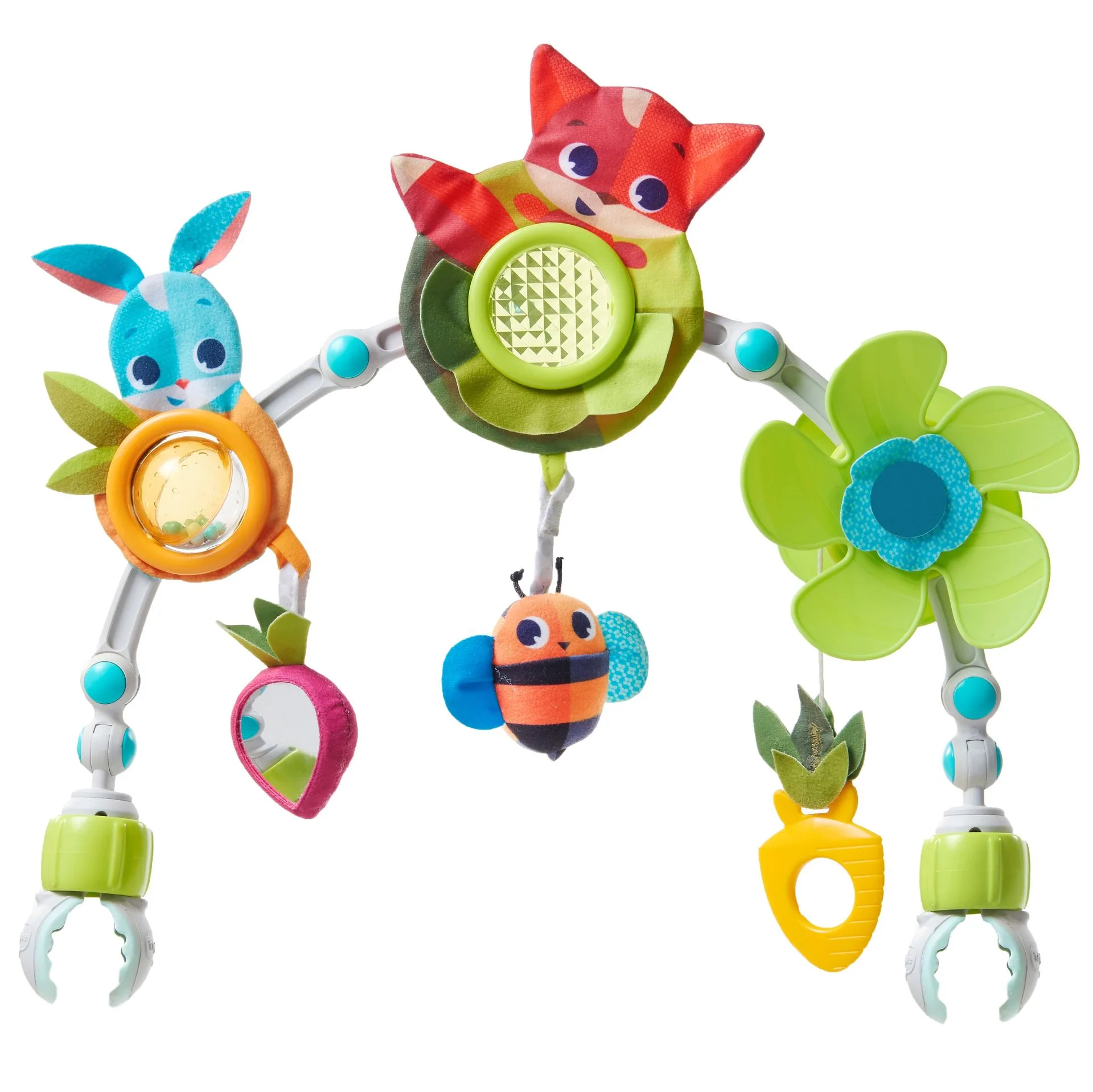
The Black & White Panda Take Along Rattle Toy is a perfect travel-friendly option that also works well in a stationary play area. Its contrasting colors and gentle rattle sound capture your baby's attention and support auditory and visual tracking. For on-the-go fun, consider a stroller arch like the Meadow Days Stroller Arch, which attaches to your stroller or car seat and provides entertainment during outings.
- Rotate toys regularly to maintain your baby's interest.
- Include a mix of soft toys, rattles, and teethers for varied sensory input.
Safety Essentials: Baby-Proofing Your Play Area
Safety is non-negotiable. Start by covering electrical outlets with safety plugs, securing furniture to walls with anti-tip straps, and removing any small objects that could be choking hazards. Use corner guards on sharp edges and keep cords from blinds or electronics out of reach. A baby gate can help define the play area and prevent your little one from wandering into unsafe zones.
Check toys regularly for loose parts or damage. Soft toys should be machine-washable, and plastic toys should be free from sharp edges. Always follow age recommendations on toy packaging. For example, the TummyTime Mobile is designed for newborns and should be used under supervision. By staying proactive, you can create a space where your baby explores freely and safely.
- Inspect the play area daily for hazards like dropped objects or loose screws.
- Keep a first-aid kit nearby and know infant CPR basics.
Designing a safe and stimulating baby play area doesn't have to be complicated. Start with a soft, supportive play mat like the Black & White Décor Luxe Developmental Gymini, add an activity center like the Tiny Bugs 5-in-1 Here I Grow Stationary Activity Center as your baby grows, and fill the space with age-appropriate toys that encourage sensory exploration. Remember to baby-proof thoroughly and rotate toys to keep the environment fresh and engaging. Your little one will thrive in a space that's both secure and full of opportunities to learn through play.