Quick answer
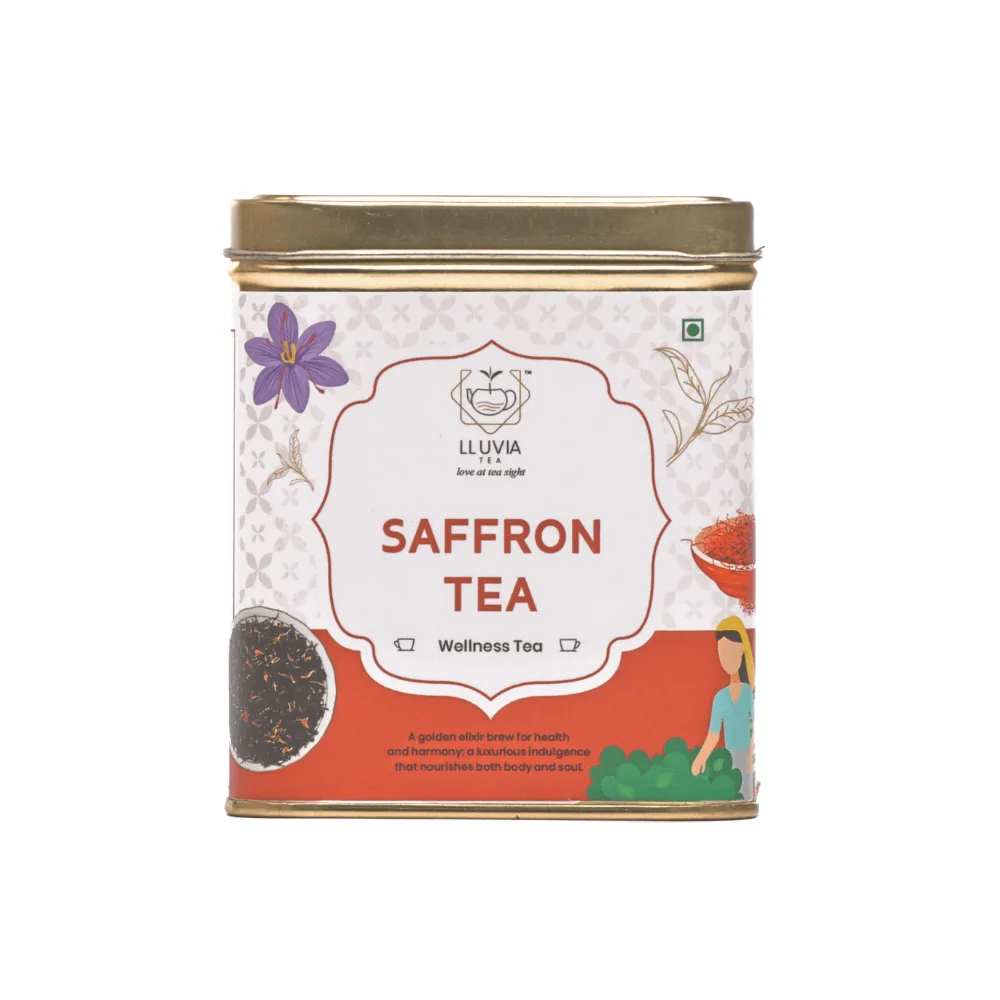
Saffron tea is a premium, antioxidant-rich infusion that can support a daily wellness routine, but it is not a treatment for respiratory conditions. If you want a warm, aromatic tea to enjoy while you focus on overall wellness, Lluvia Tea’s Saffron Tea is a high-quality option. Expect a smooth, fragrant cup with subtle floral-spice notes—not a medicinal fix for breathing problems.
What saffron tea actually offers
Saffron tea is made from the dried stigmas of the saffron crocus, which give it a golden color and a delicate, floral-spice aroma. The catalog describes Lluvia Tea’s Saffron Tea as smooth, fragrant, and beautifully balanced, with a refined flavor that transforms every cup into a luxurious tea experience. Those are sensory qualities, not medical claims. When you see saffron tea marketed for respiratory support, treat that as a traditional or wellness-oriented association—not a proven treatment. If you have a respiratory condition, work with a healthcare provider first.
How to judge saffron tea quality before you buy
Saffron is one of the most expensive spices by weight, so quality varies widely. Look for a product that states its weight clearly and describes the aroma and infusion color. Lluvia Tea’s Saffron Tea comes in a 50 gm pack and is described as having a golden infusion with subtle floral-spice notes. That tells you it is intended as a sipping tea, not a supplement capsule. If a listing makes bold medical claims without evidence, be skeptical. A good saffron tea should smell sweet and hay-like, not dusty or musty.
How to drink saffron tea for the best experience
Use about 1 teaspoon of the blend per cup, or follow the package directions if provided. Heat water to just below boiling—around 200°F (93°C)—and steep for 3 to 5 minutes. Longer steeping can bring out bitterness. Saffron tea is pleasant on its own, but you can add a drop of honey or a slice of lemon if you prefer. Drink it as part of a calm morning or evening ritual. If you are using it alongside other herbal teas, rotate them so you can notice how each one affects you.
Saffron tea vs. other antioxidant-rich teas
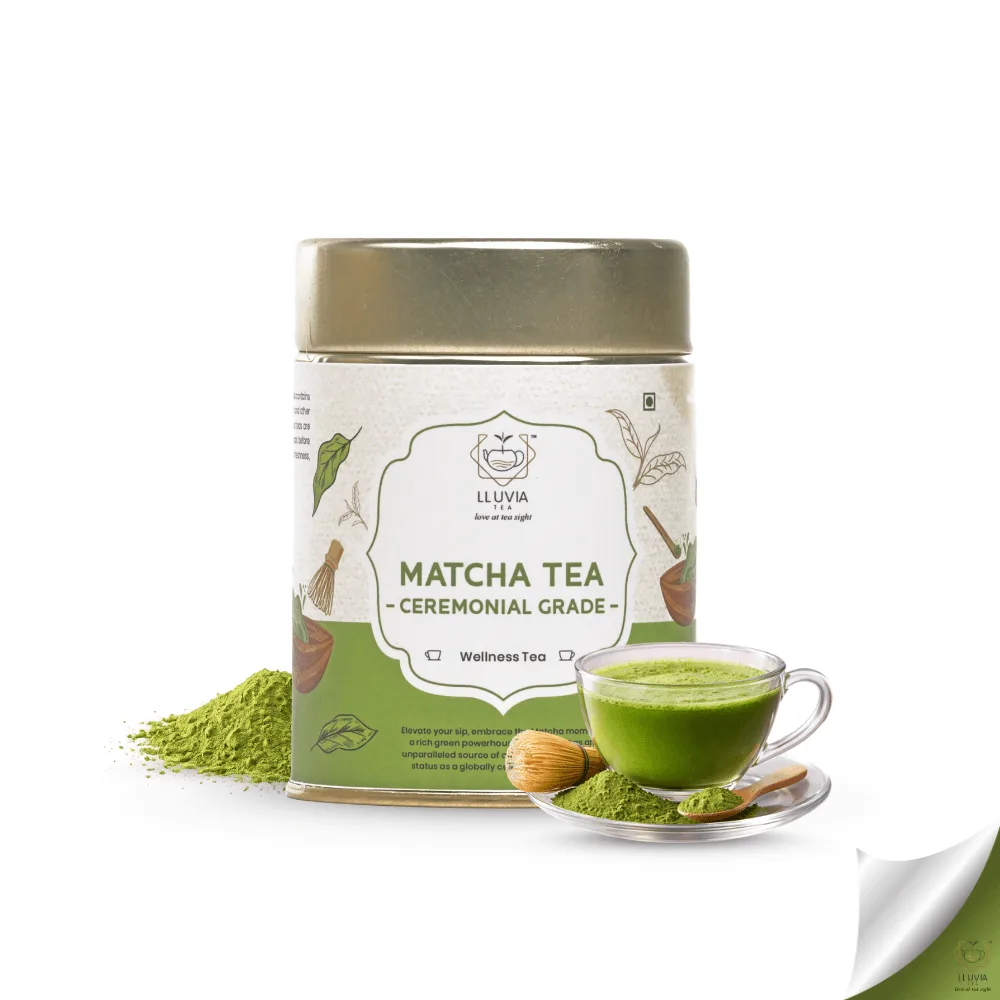
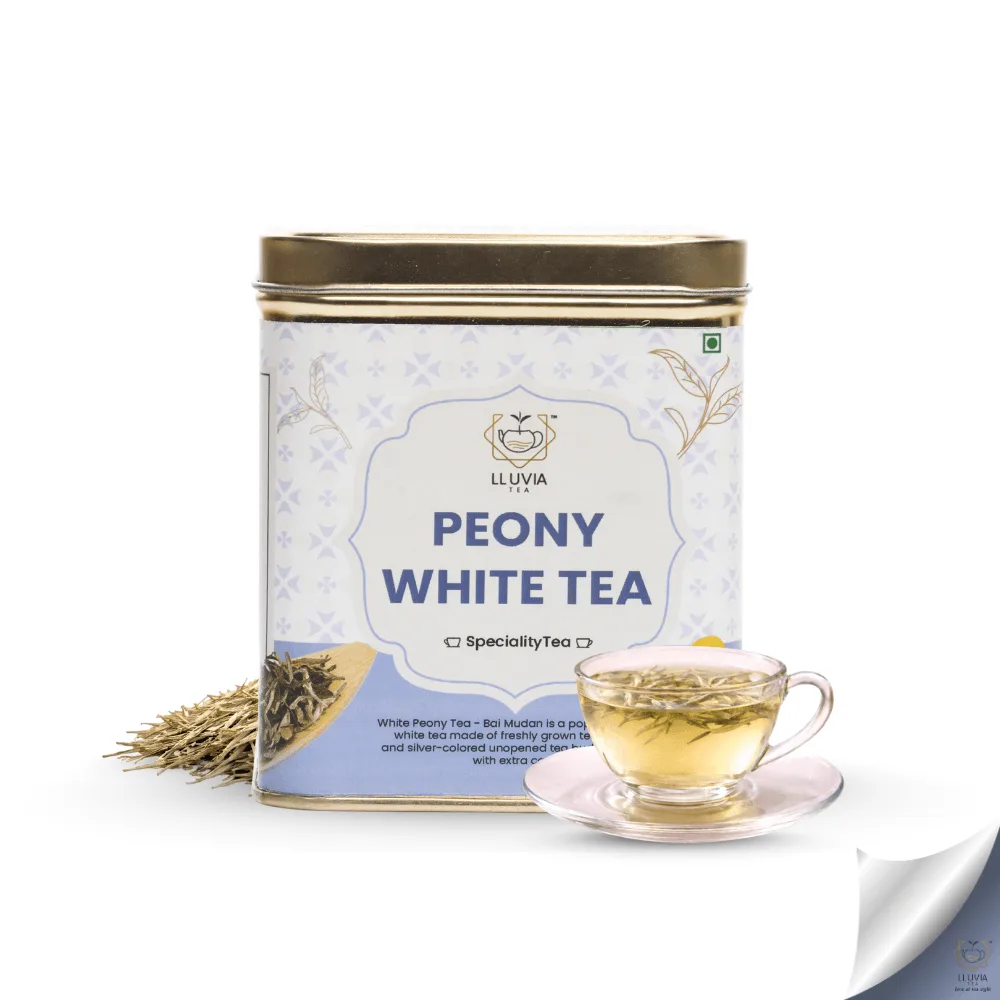
If your main goal is antioxidant richness, you have several options. Lluvia Tea’s Peony White Tea is crafted from tender buds and young leaves and is lightly processed to preserve its pure character, delivering soft floral notes and a mellow taste. Matcha Tea is a finely crafted green tea powder with a vibrant color and smooth earthy flavor. Saffron Tea is the most aromatic and luxurious of the three, but it is also the most expensive per serving. White tea and matcha are more affordable daily choices if you drink multiple cups a day.
What to expect when you start drinking it
Saffron tea is not a quick fix. Most people notice the aroma and flavor first—it is a gentle, warming cup. Any wellness benefits, such as antioxidant support, are cumulative and subtle, not immediate. Do not expect it to clear your sinuses or improve breathing within minutes. If you are looking for respiratory relief, use it as a comforting companion to your existing care plan, not a replacement. Stop drinking it if you notice any unusual reaction, and check with a healthcare provider if you are pregnant, nursing, or taking medication.
Decision rules for buying saffron tea
- Choose saffron tea if you want a luxurious, aromatic ritual: Saffron tea is best for slow, mindful sipping. Its golden infusion and floral-spice notes make it a treat, not a daily hydration tea. Buy it for the experience, not as a medicine.
- Choose white tea or matcha if you drink multiple cups daily: Peony White Tea and Matcha Tea are more economical for frequent drinking. They still offer antioxidant richness but with different flavor profiles. Match the tea to your daily habit, not just the label.
- Skip saffron tea if you need respiratory treatment: No tea can replace medical care for breathing issues. Saffron tea may be a comforting addition, but it is not a cure. Talk to your doctor about persistent respiratory symptoms.
Product facts
- Saffron Tea - Respiratory Support | Antioxidant Richness | Anti Inflammatory (50 gm): Lluvia Tea’s Saffron Tea is a premium blend crafted with the rich aroma and delicate warmth of saffron, described as smooth, fragrant, and beautifully balanced with a golden infusion and subtle floral-spice notes. This tells you the tea is designed for a refined sipping experience, so you can judge whether the premium price matches your expectations for flavor and aroma.
- Peony White Tea - Rich in Antioxidants | Weight Loss | Improves Blood Circulation (50gm): Lluvia Peony White Tea is a premium white tea crafted from tender tea buds and young leaves, lightly processed to preserve its pure character, with soft floral notes and a mellow taste. If you want an antioxidant-rich tea for daily drinking, this is a more affordable alternative to saffron tea, though it lacks saffron’s distinctive floral-spice profile.
- Matcha Tea : Ceremonial Grade - Metabolism Boost | High Antioxidant | Detoxification (50 gm): Lluvia Tea’s Matcha Tea is a finely crafted green tea powder known for its vibrant color, smooth earthy flavor, and naturally energising character. Matcha is another antioxidant-rich option, but its earthy flavor and energizing character make it a different daily ritual than the delicate, aromatic saffron tea.
Is saffron tea right for you?
Best for
- Tea drinkers who enjoy floral, aromatic infusions and want a premium daily ritual
- People looking for an antioxidant-rich tea to complement a wellness routine
- Those who want a caffeine-free or low-caffeine alternative to coffee or green tea
Not for
- Anyone seeking a proven treatment for asthma, allergies, or other respiratory conditions
- Budget-focused buyers who drink many cups per day and need a low cost-per-serving tea
- People who dislike floral or spice-forward flavors in tea