In the world of natural supplements, adaptogens have gained significant attention for their ability to help the body manage stress and support overall well-being. Two of the most popular adaptogens are saffron and ashwagandha. While both are known for their mood-enhancing properties, they work through different mechanisms and offer unique benefits. This comparison will help you understand the key differences between saffron and ashwagandha, so you can choose the best option for your needs.
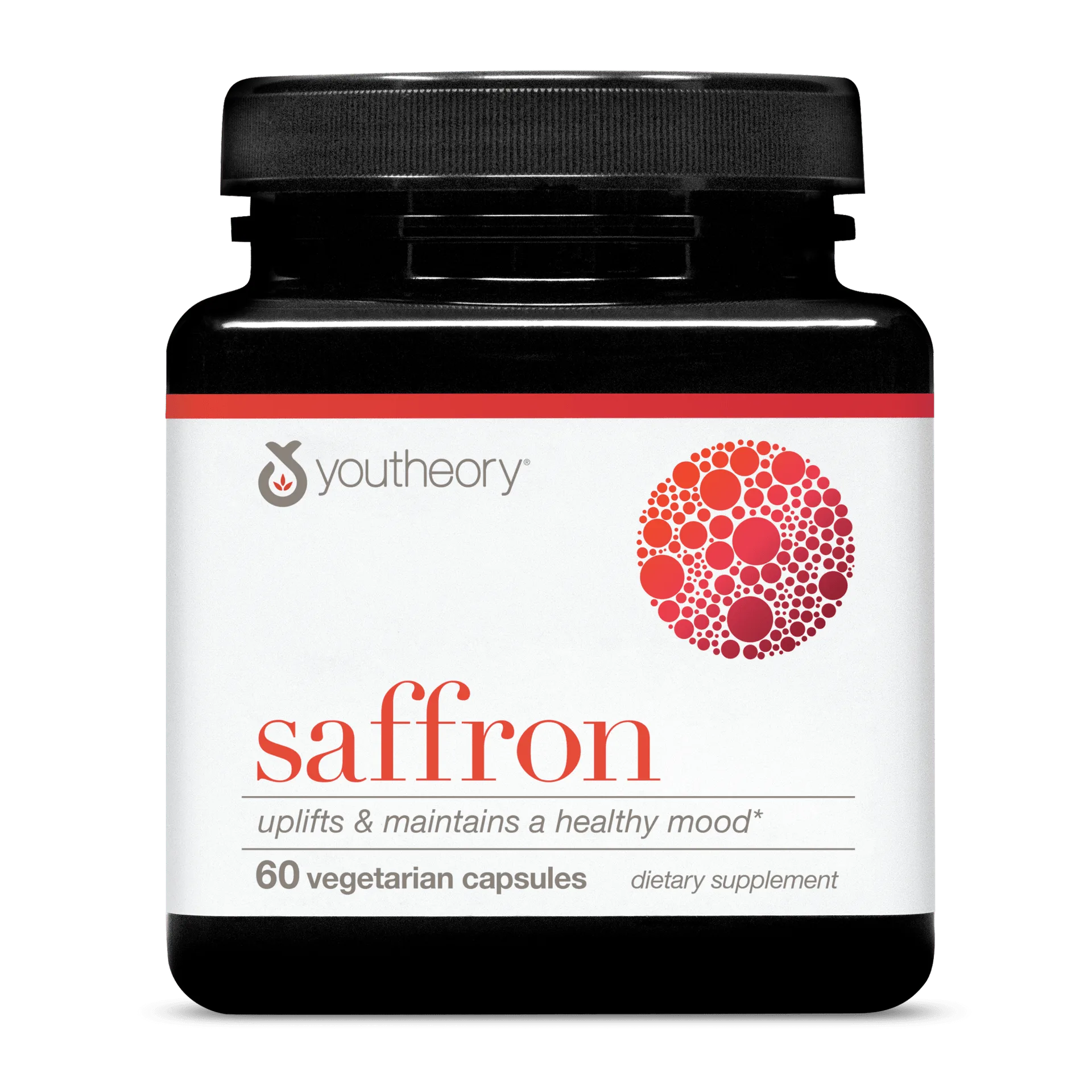
saffron
Whether you're looking to improve your mood, reduce stress, or support cognitive function, understanding how these two adaptogens stack up against each other is essential. We'll explore their origins, active compounds, scientific backing, and practical usage tips to help you make an informed decision.
What Are Adaptogens and How Do They Work?
Adaptogens are natural substances that help the body adapt to stress and maintain balance (homeostasis). They work by modulating the hypothalamic-pituitary-adrenal (HPA) axis, which controls the body's stress response. Unlike stimulants, adaptogens provide a calming, balancing effect without overstimulating the system. Both saffron and ashwagandha are classified as adaptogens, but they target different pathways.
Ashwagandha is a cornerstone of Ayurvedic medicine, known for its ability to reduce cortisol levels and promote relaxation. Saffron, on the other hand, is a spice derived from the Crocus sativus flower and has been used traditionally for mood enhancement and as an aphrodisiac. Modern research supports both for their stress-relieving and mood-boosting effects, but their unique properties make them suitable for different scenarios.
- Tip: If you're new to adaptogens, start with one supplement at a time to see how your body responds.
Saffron: The Mood-Boosting Spice
Saffron is rich in bioactive compounds like crocin, safranal, and picrocrocin, which contribute to its vibrant color and therapeutic effects. Studies suggest that saffron may help alleviate symptoms of mild to moderate depression by increasing levels of serotonin, the 'feel-good' neurotransmitter. It also shows promise in reducing stress and anxiety, improving sleep quality, and supporting cognitive function.
Youtheory's Saffron supplement provides a standardized extract of saffron, ensuring you get a consistent dose of active compounds. It's a great option for those looking to enhance mood without sedation, making it suitable for daytime use. Saffron is also known for its appetite-suppressing properties, which can be beneficial for weight management.
- Tip: Take saffron with meals to enhance absorption and minimize any potential stomach upset.
Ashwagandha: The Stress-Reducing Adaptogen
Ashwagandha is renowned for its ability to lower cortisol levels, the primary stress hormone. By reducing cortisol, ashwagandha helps alleviate stress, anxiety, and fatigue, while also improving energy levels and mental clarity. It is also known to support thyroid function, enhance physical performance, and boost libido. Unlike saffron, ashwagandha has a more grounding, calming effect that can be particularly helpful for those with high stress or sleep issues.
Youtheory's Ashwagandha Gummies offer a convenient and tasty way to incorporate this adaptogen into your daily routine. Ashwagandha is often taken in the evening or before bed to promote relaxation, but it can also be used during the day for stress management. It's important to note that ashwagandha may cause drowsiness in some individuals, so start with a lower dose.
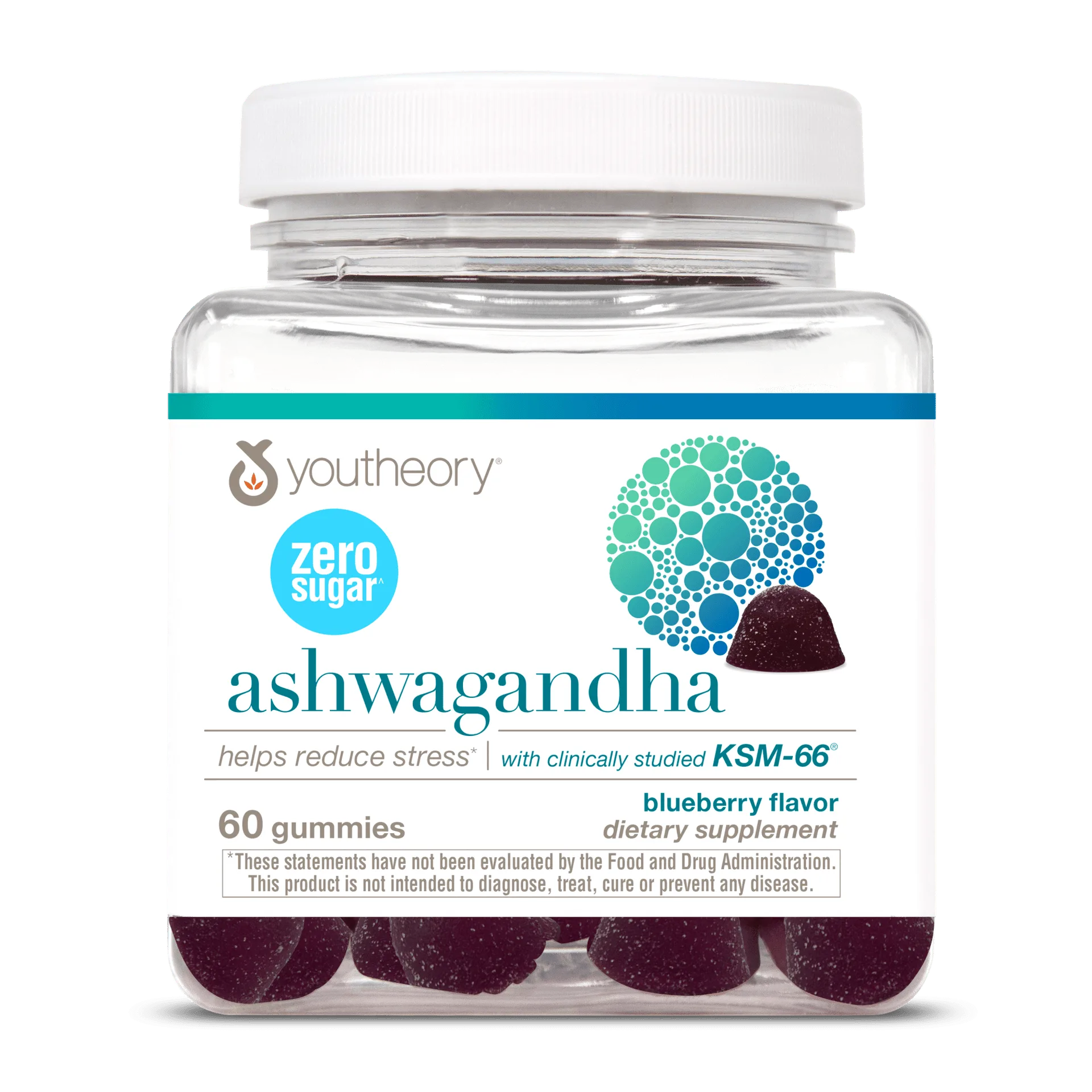
Ashwagandha Gummies
- Tip: For better sleep, take ashwagandha 30-60 minutes before bedtime.
Key Differences Between Saffron and Ashwagandha
While both saffron and ashwagandha support mood and stress, their mechanisms and effects differ. Saffron primarily works by modulating serotonin levels, making it more effective for mood elevation and mild depression. Ashwagandha, on the other hand, targets the HPA axis and cortisol, making it ideal for stress reduction and relaxation. Saffron is generally non-sedating, while ashwagandha can promote sleepiness. Additionally, saffron may help with appetite control, whereas ashwagandha is known for its energy-boosting and libido-enhancing properties.
In terms of usage, saffron is typically taken in the morning or afternoon, while ashwagandha is often taken in the evening. Both are available in various forms, including capsules, gummies, and powders. Youtheory offers both Saffron and Ashwagandha Gummies, making it easy to choose based on your preference and lifestyle.
- Quick comparison: Saffron = mood & appetite; Ashwagandha = stress & sleep.
Which One Should You Choose?
Your choice between saffron and ashwagandha depends on your primary goal. If you're looking to improve mood, reduce mild depressive symptoms, or manage appetite, saffron may be the better option. If your main concern is chronic stress, anxiety, or poor sleep, ashwagandha is likely more suitable. Some people may benefit from combining both, but it's best to consult with a healthcare professional before stacking adaptogens.
For those who want a gentle mood lift without sedation, Youtheory's Saffron is an excellent choice. If you need deeper stress relief and better sleep, consider Youtheory's Ashwagandha Gummies. Both supplements are made with high-quality ingredients and backed by research, ensuring you get the full benefits of these powerful adaptogens.
- Tip: Keep a mood journal to track how each supplement affects you over time.
In the battle of saffron vs ashwagandha, there is no clear winner—it all comes down to your individual needs. Both are powerful adaptogens that can help you manage stress and improve your mood. If you're still unsure, why not try starting with one and see how it works for you? Explore Youtheory's Saffron supplement today and take the first step toward better mood and stress management.