Two Sake Styles, Two Serving Approaches
Sake offers a wide range of flavors and textures, and the way you serve it can change the experience. Two popular styles—junmai and sparkling sake—each have their own character and ideal serving methods. Understanding these differences helps you get the most out of every bottle.
Product Facts at a Glance
-
TOZAI LIVING JEWEL JUNMAI, Japan 300ml: Tozai Living Jewel Junmai has aromas of white grape, anise, and sweet rice, with citrus, white pepper, and fresh herbal notes on the palate. This describes the flavor profile, which guides food pairing and serving temperature choices.
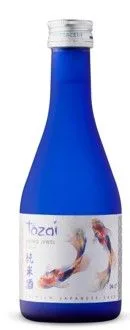
TOZAI LIVING JEWEL JUNMAI, Japan 300ml
-
GEKKEIKAN ZIPANG SPARKLING SAKE 250ml, Japan: Gekkeikan Zipang Sparkling Sake is lightly carbonated, produced by natural secondary fermentation, with hints of tropical fruits and a refreshing finish. The carbonation and fruitiness make it best served chilled, similar to a sparkling wine.
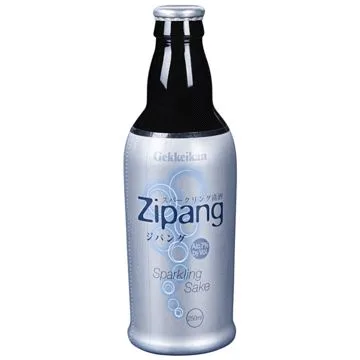
GEKKEIKAN ZIPANG SPARKLING SAKE 250ml, Japan
Serving Junmai Sake: Temperature and Glassware
Junmai sake, like Tozai Living Jewel, is a pure rice sake with no added alcohol. Its flavor profile—citrus, white pepper, and herbal notes—works well at a range of temperatures. For a classic experience, serve it slightly chilled (around 50–55°F) to highlight its clean finish. Room temperature also works, bringing out more of the sweet rice and anise aromas. Avoid overheating, as it can mask delicate flavors.
Use a wine glass or a traditional ochoko cup. A wine glass helps concentrate the aromas, while a small cup keeps the sake cool if you're sipping slowly.
How to Serve Sparkling Sake
Sparkling sake, like Gekkeikan Zipang, is best enjoyed cold to preserve its bubbles and bright fruit notes.
- Chill thoroughly: Refrigerate the bottle before serving. Sparkling sake is best at 40–45°F.
- Choose the right glass: A flute or a white wine glass works well. The narrow shape helps retain carbonation and focuses the tropical fruit aromas.
- Pour gently: Tilt the glass and pour slowly down the side to minimize foam and preserve bubbles.
Food Pairing Suggestions
Junmai sake pairs well with a variety of dishes. The Tozai Living Jewel is recommended with baked herbed salmon, grilled lobster, and light poultry dishes. Its citrus and herbal notes complement seafood and white meats without overpowering them.
Sparkling sake is more versatile for appetizers and lighter fare. The tropical fruit notes in Gekkeikan Zipang work with fried foods, sushi, or even spicy dishes, as the bubbles and sweetness help balance heat.
Storage and Freshness
Once opened, both styles should be consumed within a few days. Junmai sake can be recorked and stored in the refrigerator for up to a week, though its flavor will gradually fade. Sparkling sake loses carbonation quickly, so it's best finished within 1–2 days. Keep both away from direct light and heat to preserve their quality.