The real decision: leaf room versus convenience
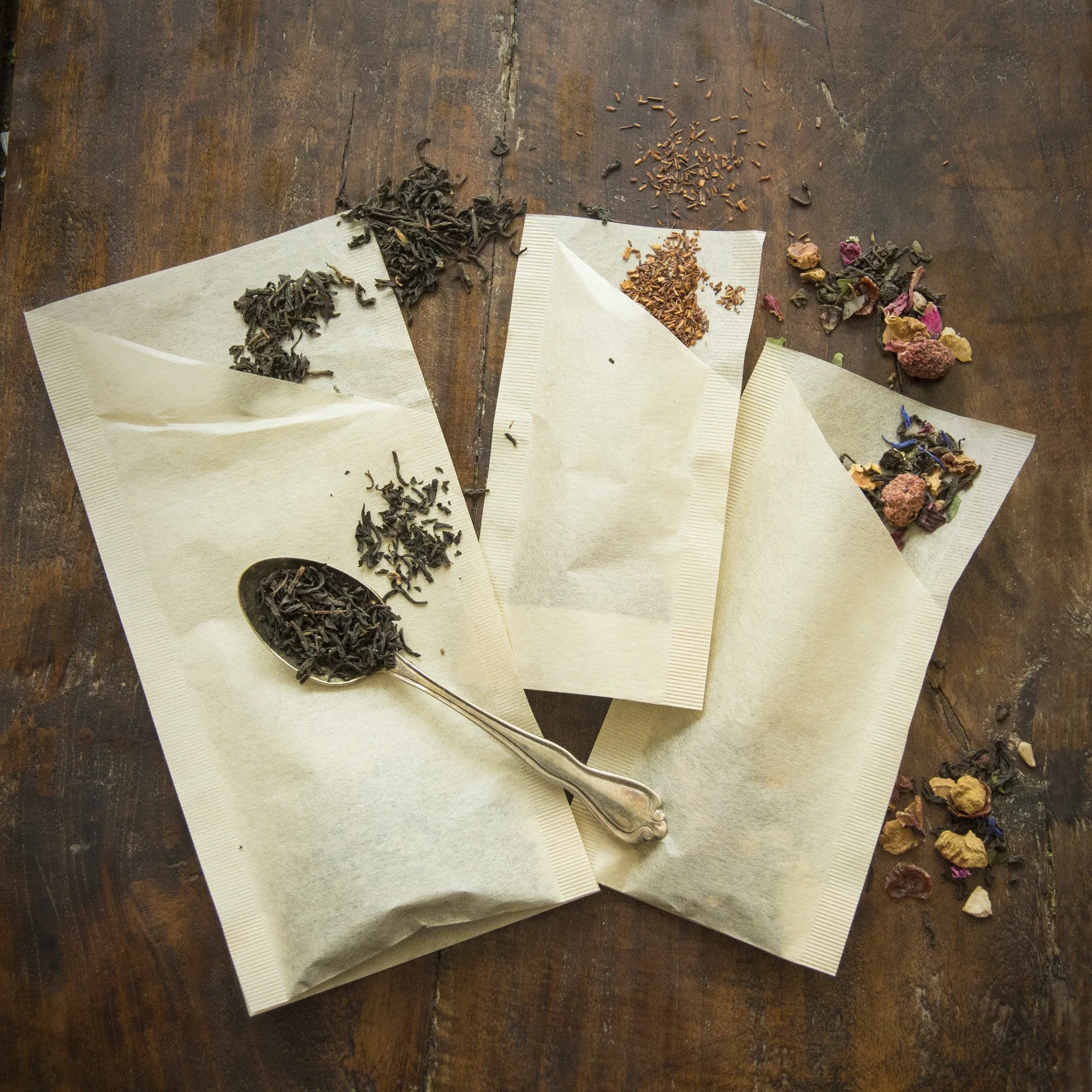
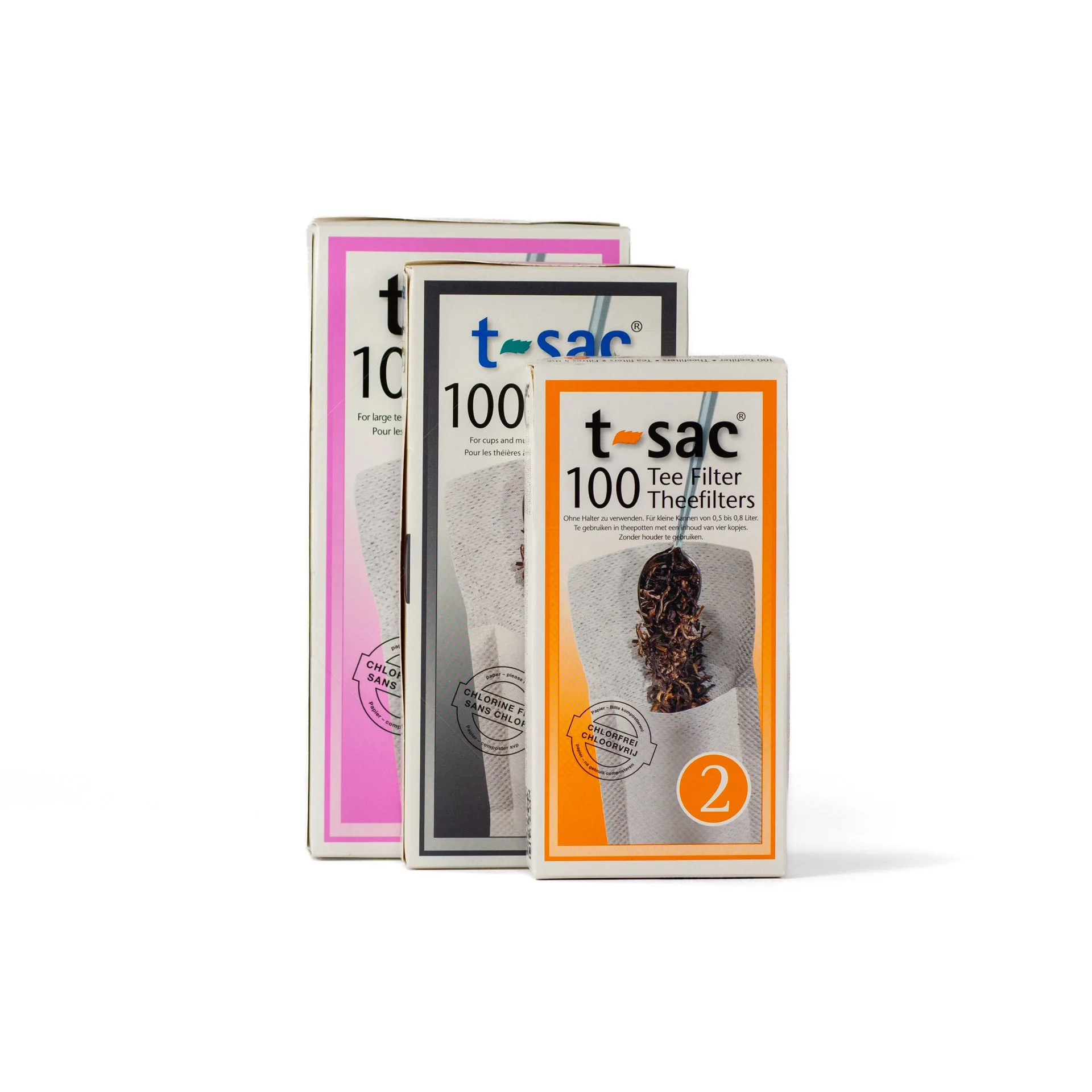
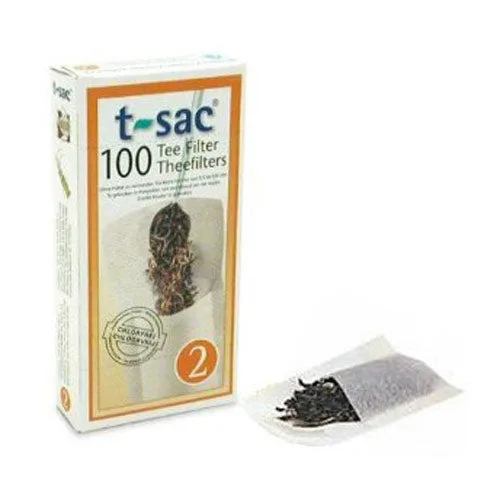
A tea ball and a paper tea filter both strain loose leaf tea, but they solve different problems. The Sakura Blossom Stainless Steel Tea Ball is a reusable 5 cm mesh ball with a swing-lock mechanism and a hand-painted cherry branch charm. Paper tea filters are single-use and sized to hold a portion of leaf. The useful comparison is not which one is 'better' in general, but which one fits how much leaf you brew, how often you brew, and how much cleanup you want.
One limitation up front: the supplied product information for the Sakura tea ball does not include preparation instructions, capacity in grams, or care and safety guidance. So this comparison sticks to what is confirmed and flags where you will need to make your own judgment.
What the Sakura tea ball confirms
-
Sakura Blossom Stainless Steel Tea Ball: Made from high-grade, food-safe stainless steel with a 5 cm mesh ball. The 5 cm mesh size is the key figure for judging how much room your leaf gets to expand.
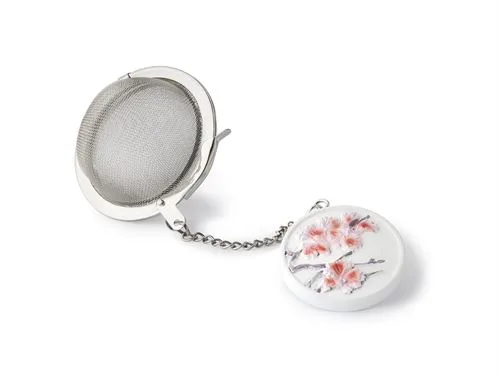
Sakura Blossom Stainless Steel Tea Ball
-
Sakura Blossom Stainless Steel Tea Ball: The mesh ball allows loose-leaf teas to expand fully, releasing their complete aroma and flavour profile. This is the manufacturer's claim for the brewing benefit of the mesh design, not an independent test result.
-
Sakura Blossom Stainless Steel Tea Ball: A secure swing-lock mechanism keeps leaves contained. The lock is the feature that matters most when you invert the ball over a cup or carry it to work.
Sakura tea ball vs paper tea filters at a glance
Paper filters vary by brand, so the paper column describes the general category rather than one verified product. Treat it as a decision framework, not a spec sheet.
- Reusability: The Sakura tea ball is reusable; paper filters are single-use. If you brew daily, the tea ball avoids a recurring purchase, while paper filters avoid washing up.
- Leaf room: The Sakura ball's 5 cm mesh is designed to let leaves expand. Paper filters range widely in size; a small filter can crowd large-leaf teas, while a large filter may be more generous than a small ball. Match the vessel to your leaf style.
- Cleanup: The tea ball needs to be opened, emptied, and rinsed after each use. A paper filter is lifted out and discarded, which is faster but creates waste.
- Flavor carryover: Stainless steel can retain traces of strong teas or oils if not washed thoroughly; paper filters start fresh each time. Neither outcome is guaranteed by the supplied records, so rinse the ball well between very different teas.
- Visual appeal: The Sakura ball has a hand-painted polyresin cherry branch charm that rests outside the cup as a visual anchor. Paper filters are purely functional.
- Gifting: The Sakura tea ball arrives in an eco-friendly box and is positioned as a symbolic 'fresh start' gift. Paper filters are rarely a gift item.
Where the tea ball wins
Choose the Sakura tea ball if you brew whole-leaf teas that need room to unfurl, such as larger oolong or twisted leaf styles, and you want one tool that works cup after cup. The 5 cm mesh is the relevant number: it gives leaf more space than a narrow paper pouch, and the swing-lock keeps everything inside when you lift it out.
The charm is not just decoration. Because it sits on the outside of the cup, it gives you a clear place to grip and a visual cue that the ball is seated properly. The tea ball also pairs with the Sakura Blossom Fine Bone China Mug, which carries matching watercolour artwork, if you want a coordinated set.
Where paper tea filters win
Paper filters make sense when speed and zero washing up matter more than leaf room. They are also easier to portion for a single mug if you already know your preferred scoop, and they travel well because you can pack flat filters rather than a rigid ball.
The trade-off is that paper is a consumable, and the size of the filter determines how much the leaf can move. For finely broken leaves, a paper filter can be more forgiving than a mesh ball because the paper itself catches small particles. For large whole leaves, a small paper pouch may restrict expansion in a way the 5 cm mesh ball is designed to avoid.
Match the infuser to your leaf
- Large whole leaf or twisted oolong: Favor the Sakura tea ball's 5 cm mesh, which is designed for expansion. A small paper filter is the weaker choice here.
- Fine or broken leaf: Paper filters can catch fine particles that a mesh ball may let through. If you dislike sediment, paper has the edge.
- Office or travel: The swing-lock tea ball is reusable and needs only a rinse; paper filters need a trash can. Both are portable, but the tea ball avoids carrying wet spent filters.
- Frequent brewing: A reusable tea ball reduces repeat purchases. Paper filters suit occasional brewing or times when you cannot wash up.
What the supplied information does not settle
The Sakura tea ball record does not state a leaf capacity in grams, a recommended amount of tea per brew, water temperature, steep time, or specific care and safety instructions. It also does not confirm dishwasher suitability or whether the polyresin charm is heat-safe. Those are decision limitations, not evidence that the product lacks those qualities. If any of them matter to you, check the packaging or ask the seller before buying.
Paper filters have their own unknowns: the supplied catalog does not include a specific paper filter product, so bleach status, paper weight, and compostability are not verified here. Compare those details on the filter you actually intend to buy.
A practical way to decide
If you brew whole-leaf tea most days and want one reusable tool with enough room for the leaf to open, the Sakura Blossom Stainless Steel Tea Ball is the more coherent choice. If you prioritize a clean cup with no washing up and brew mostly fine or broken leaf, paper filters are the simpler fit. Many tea drinkers keep both: the tea ball for everyday whole-leaf brewing and paper filters for travel or for teas that throw fine particles.