When it comes to feeding your dog a balanced and nutritious diet, the choice of protein plays a starring role. Two of the most popular novel proteins on the market today are salmon and duck. Both offer distinct benefits, but they also come with different nutritional profiles and considerations. Whether you're managing food sensitivities, aiming for a shiny coat, or simply rotating proteins for variety, understanding the differences between salmon and duck can help you make an informed decision for your furry friend.
In this article, we'll dive deep into the nutritional value, digestibility, allergen potential, and overall health impact of salmon and duck. We'll also highlight some excellent product options from Open Farm that feature these proteins, so you can see exactly how they fit into a wholesome diet. By the end, you'll have a clear picture of which protein might be the best match for your dog's unique needs.
Nutritional Profile: Salmon vs Duck
Salmon is a fatty fish rich in omega-3 fatty acids, particularly EPA and DHA. These essential fats support brain function, reduce inflammation, and promote a healthy, glossy coat. Salmon also provides high-quality protein, B vitamins, and minerals like selenium and potassium. For dogs with skin allergies or joint issues, the anti-inflammatory properties of salmon can be especially beneficial.
Duck, on the other hand, is a leaner protein source. It's packed with iron, zinc, and B vitamins, which support energy metabolism and immune function. Duck meat is often considered a novel protein, meaning it's less common in commercial dog foods and therefore a good option for dogs with sensitivities to chicken or beef. While duck is lower in fat than salmon, it still provides essential amino acids for muscle maintenance and overall health.
- Salmon: high in omega-3s, supports skin/coat health, anti-inflammatory
- Duck: lean, rich in iron and zinc, novel protein for allergy-prone dogs
Allergies and Food Sensitivities
Food allergies in dogs often manifest as itchy skin, ear infections, or digestive upset. The most common allergens are beef, dairy, and chicken. Salmon and duck are both considered less allergenic, making them excellent alternatives. Salmon is a single-source protein that is gentle on the stomach, while duck is a novel protein that many dogs have never been exposed to, reducing the likelihood of an adverse reaction.
If your dog has a known fish allergy, duck would be the safer choice. Conversely, if your dog does well with fish-based diets, salmon can provide unique anti-inflammatory benefits that duck may not offer to the same degree. Always introduce new proteins gradually and monitor your dog's response.
- Salmon: great for dogs with chicken/beef allergies, but avoid if fish-allergic
- Duck: ideal novel protein for dogs with multiple food sensitivities
Which Protein Is Better for Specific Health Goals?
For dogs needing joint support or a shinier coat, salmon's omega-3 content gives it an edge. The Icelandic Salmon & Capelin Wet Food for Dogs is a fantastic option that delivers these benefits in a moisture-rich, highly palatable formula. It's also a great choice for picky eaters who love fish flavors.
If your goal is weight management or maintaining lean muscle, duck's lower fat content may be preferable. Products like the Surf & Turf Air Dried Recipe for Dogs combine duck with other premium ingredients for a nutrient-dense, minimally processed meal. This recipe is excellent for active dogs or those needing a high-protein, low-fat diet.
- For coat and joint health: salmon-based foods like Icelandic Salmon & Capelin Wet Food for Dogs
- For lean muscle and weight control: duck-based options such as Surf & Turf Air Dried Recipe for Dogs
How to Incorporate Salmon and Duck Into Your Dog's Diet
Variety is key to a well-rounded diet. You can rotate between salmon and duck meals to provide different nutrients and keep your dog excited about mealtime. Start by mixing a small amount of a new protein with your dog's current food, gradually increasing the proportion over a week. This helps prevent digestive upset.
For dogs who enjoy toppers or treats, consider options like the Salmon Topper for Dogs to add a boost of flavor and omega-3s to any meal. Alternatively, the Arctic Char Topper for Dogs is another fish-based option that offers similar benefits. Remember to adjust portion sizes to maintain a healthy weight and consult your veterinarian before making significant dietary changes.
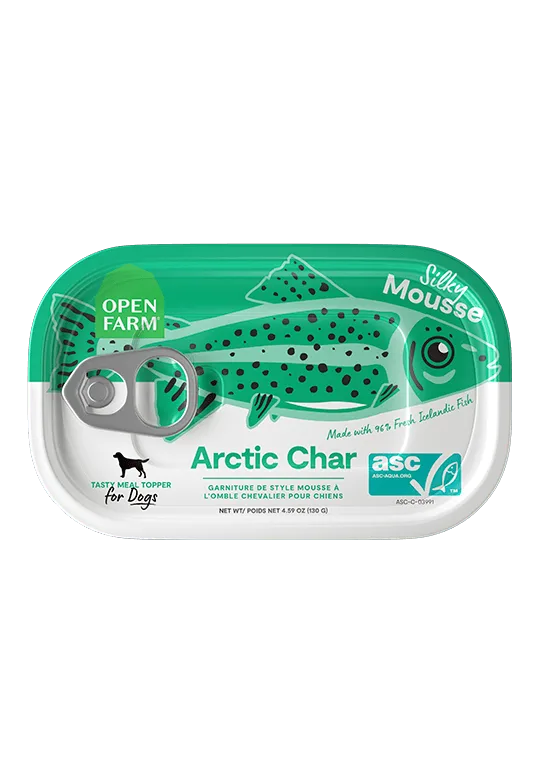
Arctic Char Topper for Dogs
- Rotate proteins every few weeks to prevent food boredom and nutrient gaps
- Use toppers like Salmon Topper for Dogs to enhance kibble or wet food
Both salmon and duck are outstanding protein choices for your dog, each with unique strengths. Salmon shines for its omega-3 fatty acids and anti-inflammatory benefits, while duck offers a lean, novel protein option for sensitive pups. The best choice depends on your dog's specific health needs, taste preferences, and any known allergies. Explore Open Farm's range of salmon and duck recipes to find the perfect match—your dog will thank you with every happy, healthy bite.