Quick Answer
Salsa macha is a Mexican oil-based condiment with a nutty, smoky heat, ideal for drizzling and finishing dishes. Harissa is a North African chili paste with a complex, earthy spiciness, perfect for cooking into stews and marinades. Choose salsa macha for a crunchy, oil-based kick, and harissa for a thick, versatile paste that melds into dishes.
When you're looking to add a spicy kick to your meals, two condiments often come to mind: salsa macha and harissa. Both bring heat, but they come from different culinary worlds and offer distinct flavors and textures. Understanding the differences can help you choose the right one for your palate and cooking needs.
In this comparison, we'll break down what makes each condiment unique, from their ingredients and heat levels to their best uses in the kitchen. Whether you're a fan of Mexican cuisine or North African flavors, this guide will help you decide which spicy condiment deserves a spot in your pantry.
What Is Salsa Macha?
Salsa macha is a Mexican condiment made from dried chilies, oil, garlic, and sometimes nuts or seeds. It has a deep, smoky flavor with a satisfying crunch from the fried garlic and seeds. The oil carries the heat, making it perfect for drizzling over tacos, eggs, or grilled vegetables.
Unlike traditional salsa, salsa macha is not blended into a smooth sauce; instead, it retains a chunky, textured consistency. This makes it a versatile finishing touch that adds both flavor and texture to a wide range of dishes.
- Use salsa macha as a finishing oil for soups, stews, or roasted meats.
- Drizzle it over avocado toast or pizza for an instant flavor boost.
What Is Harissa?
Harissa is a North African chili paste made from roasted red peppers, dried chilies, garlic, caraway seeds, coriander, and olive oil. It has a thick, spreadable consistency and a complex, earthy flavor with a gentle heat that builds over time.
Harissa is a staple in Tunisian and Moroccan cooking, often used as a marinade for meats, a base for stews, or a condiment for couscous and sandwiches. Its robust flavor pairs well with grilled lamb, roasted vegetables, and even scrambled eggs.
- Stir harissa into soups or sauces to add depth and heat.
- Use it as a rub for chicken or fish before grilling.
Key Differences: Flavor, Heat, and Texture
The most noticeable difference between salsa macha and harissa is their texture. Salsa macha is oil-based and chunky, while harissa is a smooth paste. This affects how they are used: salsa macha is typically added at the end of cooking or used as a condiment, while harissa is often cooked into dishes to meld flavors.
In terms of heat, both can range from mild to fiery, but they use different chilies. Salsa macha often uses dried chilies like árbol or guajillo, which provide a bright, direct heat. Harissa uses a blend of chilies like piri piri or Aleppo, offering a more layered, smoky spiciness.
Flavor-wise, salsa macha has a nutty, slightly sweet profile from the fried garlic and seeds, while harissa is more aromatic and earthy due to the spices like caraway and coriander.
How to Use Them in Your Kitchen
Salsa macha is your go-to for a quick flavor boost. Drizzle it over tacos, eggs, or even popcorn for a spicy, crunchy kick. It also works well as a dipping oil for bread or as a marinade base when mixed with lime juice.
Harissa shines in slow-cooked dishes. Add a spoonful to tagines, soups, or roasted vegetables to infuse them with its complex flavor. It also makes a great sandwich spread or a flavorful addition to hummus.
- For a simple weeknight meal, toss roasted vegetables with harissa and olive oil before baking.
- For a quick snack, drizzle salsa macha over avocado toast and sprinkle with sea salt.
Salsa Macha vs Harissa: Trade-Offs
- Flavor Profile: Salsa macha is nutty and smoky with a crunchy texture; harissa is earthy and aromatic with a smooth paste consistency. Choose salsa macha for a bold, crunchy finish; choose harissa for a complex, integrated flavor.
- Heat Level: Salsa macha often has a direct, upfront heat from chilies like árbol; harissa offers a more gradual, layered warmth from a blend of chilies and spices. If you prefer immediate heat, go with salsa macha; if you like a slow-building warmth, harissa is your pick.
- Culinary Use: Salsa macha is best as a finishing oil or condiment; harissa is ideal for cooking into dishes to meld flavors. Use salsa macha for drizzling and dipping; use harissa for marinades, stews, and rubs.
Spicy Condiments from Hot Sauce Emporium
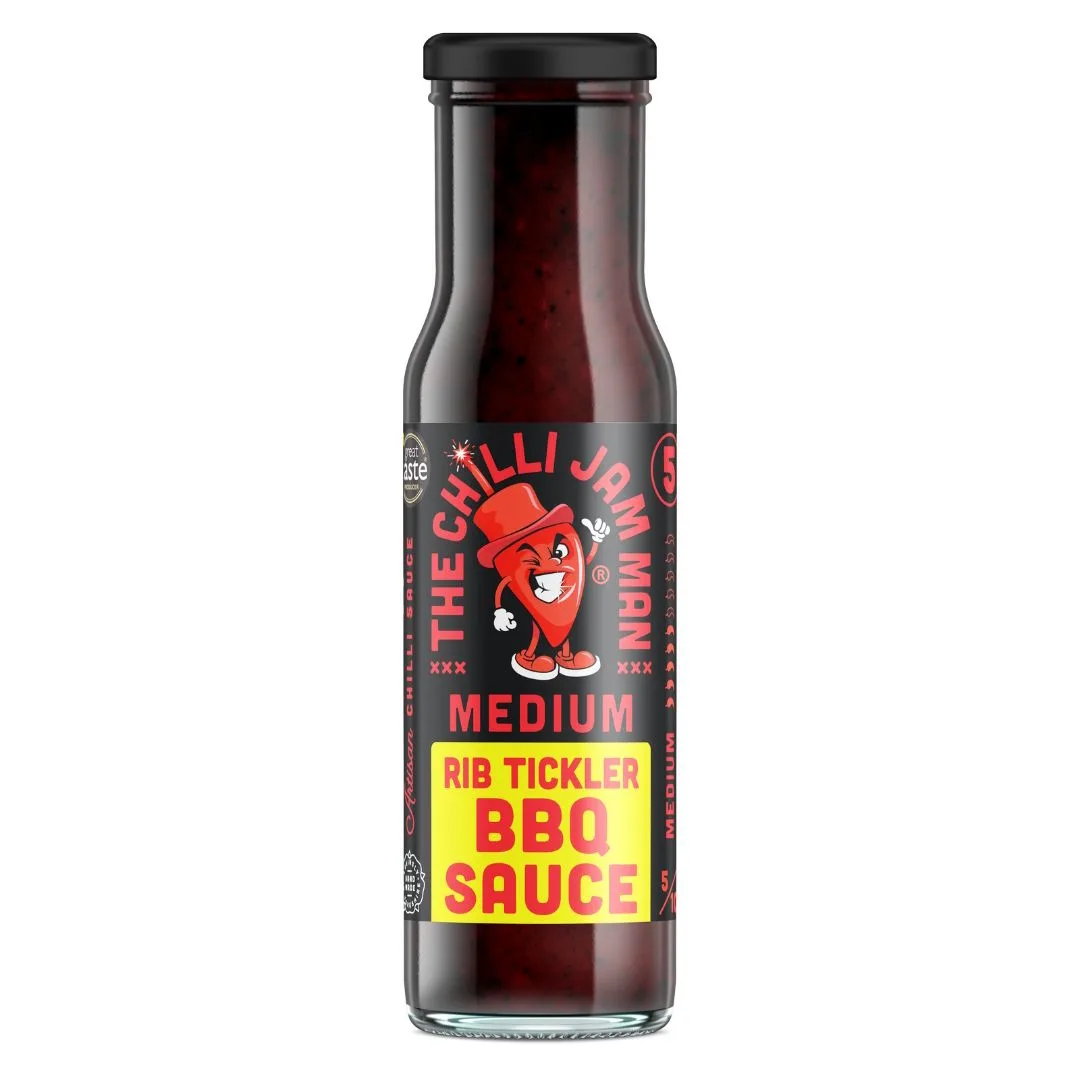
- The Chilli Jam Man Rib Tickler BBQ Sauce - Medium: Sweet, sticky and smoky, it hits with enough heat to wake you up without sending you into a tailspin. Smoky chilli jam and mango chutney form its backbone. If you enjoy the sweet-heat balance of salsa macha, this BBQ sauce offers a similar fruity depth with a medium kick, perfect for glazing ribs or burgers.
- JD's Hot Honey Habanero Infused 360g: Ranging from meek and mild for the new chilli adventurer to bold and the downright insane for the chilli masochist. For those who like the oil-based heat of salsa macha, this hot honey provides a versatile sweet heat that can be drizzled over everything, much like salsa macha.
Which One Should You Choose?
Best for
- Those who love a crunchy, oil-based condiment to finish dishes like tacos, eggs, and grilled vegetables.
- Fans of Mexican cuisine who want a smoky, nutty heat with a satisfying texture.
Not for
- Those who prefer a smooth, spreadable paste that can be easily incorporated into slow-cooked dishes.
- Cooks looking for a condiment with a complex, earthy spice blend like caraway and coriander.
Both salsa macha and harissa are fantastic spicy condiments, but they serve different purposes. If you want a quick, crunchy kick, salsa macha is your friend. If you're looking to build deep, layered flavors in your cooking, harissa is the way to go. Whichever you choose, you can't go wrong with adding a little heat to your kitchen.