Quick Answer
Salty black licorice is a Nordic specialty seasoned with ammonium chloride, giving it a sharp, savory bite, while sweet licorice, common in the US and UK, is milder and sugar-forward. If you crave bold, polarizing flavors, try salty black licorice; if you prefer familiar candy sweetness, stick with sweet licorice.
Licorice is one of the most divisive candies in the world, but the debate intensifies when you introduce salty black licorice into the mix. While sweet licorice dominates candy aisles in the United States, salty black licorice is a beloved staple in Nordic countries like Finland, Sweden, and Denmark. But what exactly sets these two apart?
The difference goes beyond just a pinch of salt. From the ingredients used to the cultural traditions behind each style, salty and sweet licorice offer entirely different taste experiences. In this comparison, we'll break down the flavor profiles, how each is made, and which one you should choose based on your preferences.
What Is Sweet Licorice?
Sweet licorice is what most people in the US and UK recognize as licorice candy. It's made with licorice root extract, sugar, flour, and often molasses or anise oil for flavor. The result is a chewy, sweet treat with a distinct herbal note that some love and others despise. Black licorice, in particular, gets its color and flavor from the licorice root itself, while red licorice is typically flavored with fruit extracts and contains no actual licorice.
Sweet licorice comes in many forms: twists, ropes, coins, and even soft chews. It's often coated in sugar or chocolate to appeal to a broader audience. The taste is mild, with a sweetness that can be cloying if you eat too much, but it's generally approachable for most candy lovers.
- Commonly found in candy aisles and movie theaters.
- Milder flavor with a higher sugar content.
- Often mixed with other flavors like cherry or strawberry.
What Is Salty Black Licorice?
Salty black licorice, also known as salmiak or salmiakki, is a Nordic specialty that uses ammonium chloride (salmiac) as a key ingredient. This compound gives the licorice a sharp, salty, and slightly bitter flavor that is an acquired taste. Unlike sweet licorice, which is all about sugar, salty black licorice is about the bold interplay of salt and ammonia-like notes.
The production of salty licorice involves mixing licorice root extract with ammonium chloride, sugar, and a binding agent like starch or gelatin. The mixture is then cooked, shaped, and often coated with a fine layer of salt. The result is a candy that's intensely savory, with a lingering aftertaste that polarizes people. In Nordic countries, it's not just a candy—it's a cultural icon, often enjoyed with coffee or as a palate cleanser.
- Made with ammonium chloride for a salty, tangy kick.
- Popular in Scandinavian and Nordic regions.
- Often enjoyed as a savory snack or with coffee.
Key Differences: Flavor, Texture, and Ingredients
The most obvious difference is flavor. Sweet licorice is sugary and mild, with a gentle anise or fennel note. Salty black licorice, on the other hand, hits your taste buds with a sharp, salty punch that can be overwhelming for first-timers. The texture also differs: sweet licorice is typically soft and chewy, while salty licorice can range from soft to hard, depending on the variety.
Ingredients play a crucial role. Sweet licorice relies on sugar and flavorings, while salty licorice incorporates ammonium chloride, which is responsible for its unique tang. This ingredient is not just for taste—it also acts as a preservative. Additionally, salty licorice often uses a higher concentration of licorice root extract, giving it a more intense herbal flavor.
- Sweet licorice: high sugar, low salt, mild flavor.
- Salty licorice: low sugar, high salt, intense flavor.
- Texture varies: sweet is chewy, salty can be chewy or hard.
Health Considerations and Consumer Preferences
Both types of licorice contain glycyrrhizin, a compound found in licorice root that can cause side effects like high blood pressure when consumed in large amounts. However, salty licorice's ammonium chloride adds another layer of concern, as excessive intake can lead to electrolyte imbalances. It's important to enjoy either type in moderation.
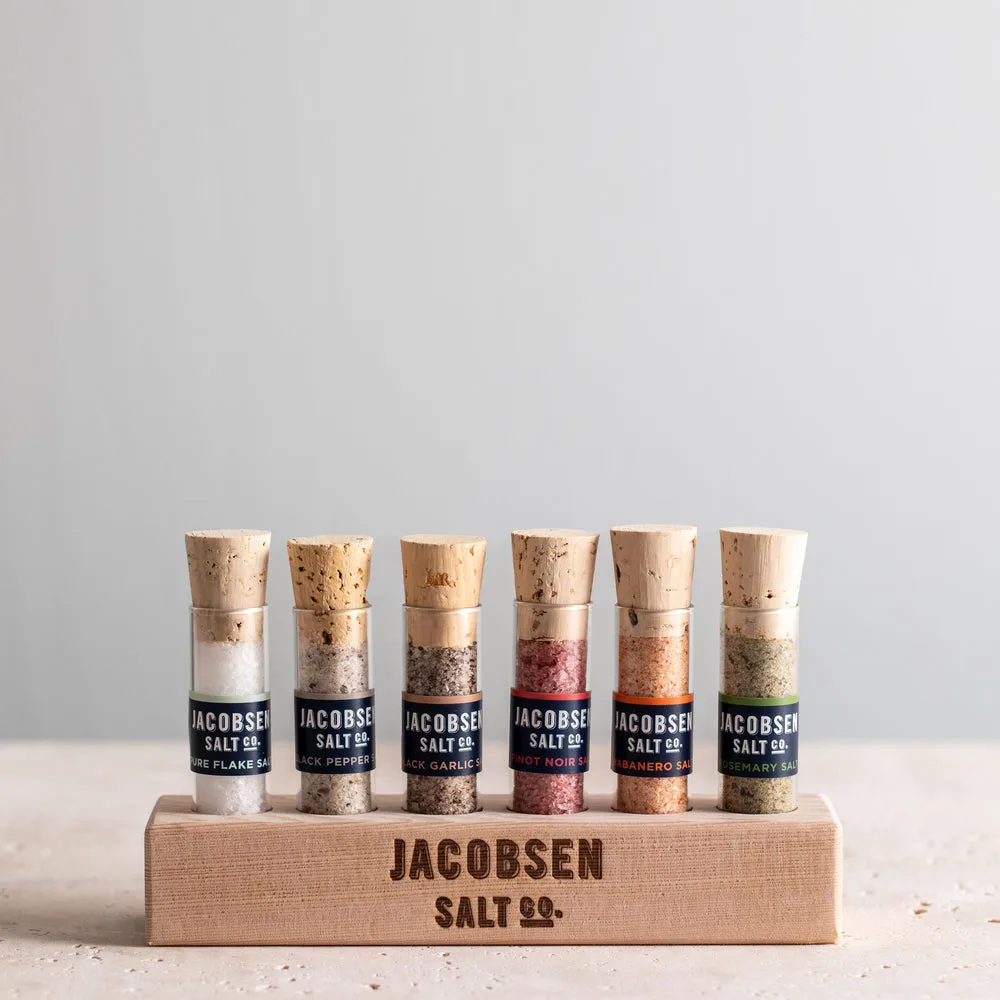
Consumer preferences vary widely by region. In Nordic countries, salty licorice is the norm, and many locals find sweet licorice too sugary. In the US, sweet licorice is more popular, and salty black licorice is often seen as an exotic or acquired taste. Brands like Jacobsen Salt Co. have introduced salty black licorice to American audiences, blending traditional Nordic flavors with Oregon Coast sea salt for a unique twist.
- Moderation is key due to glycyrrhizin and ammonium chloride.
- Regional preferences shape which type is more popular.
- Innovative brands are merging salty and sweet elements.
Trade-Offs: Salty vs. Sweet Licorice
- Flavor Intensity: Salty black licorice delivers a bold, savory punch that can be overwhelming, while sweet licorice is mild and approachable. If you prefer bold flavors, go salty; if you like subtle sweetness, stick with sweet.
- Cultural Familiarity: Sweet licorice is common in the US and UK, while salty licorice is a Nordic staple with a devoted following. If you're adventurous, try salty licorice for a cultural experience; if you're nostalgic, sweet licorice hits the spot.
- Health Impact: Both contain glycyrrhizin, but salty licorice's ammonium chloride adds potential electrolyte concerns. Enjoy either in moderation, and be extra cautious with salty licorice if you have health conditions.
Jacobsen Salt Co. Products to Try
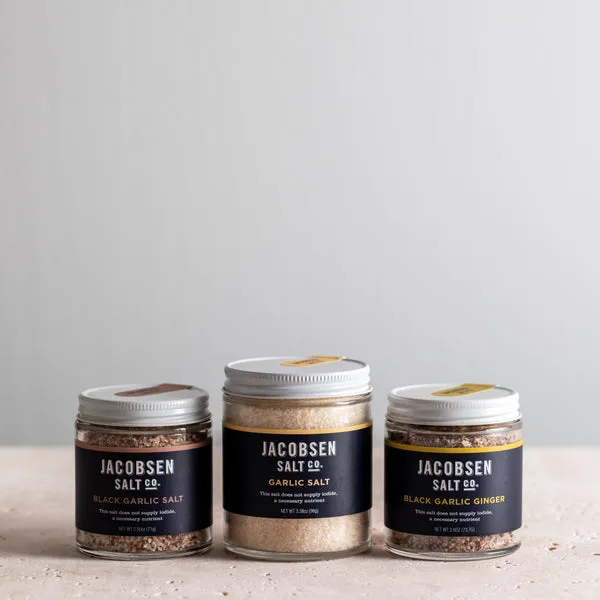
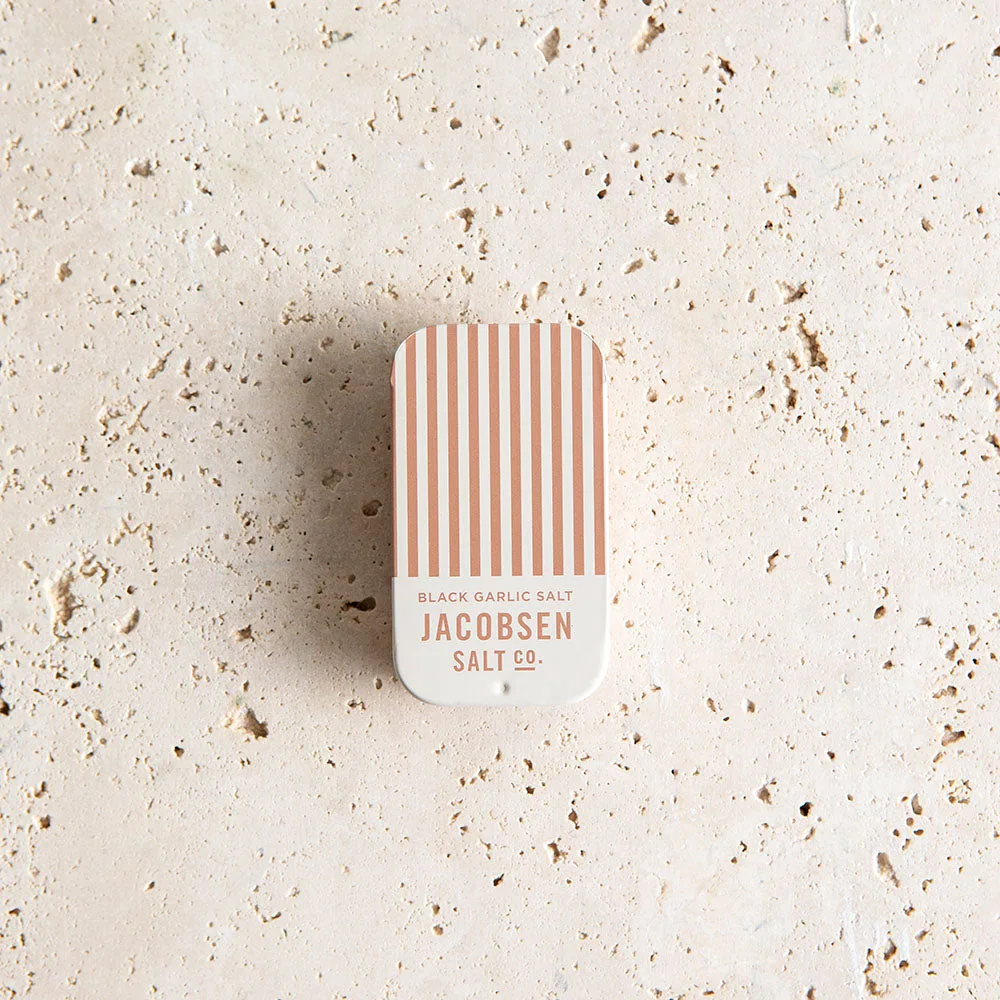
- Infused Black Garlic Salt Slide Tin – Jacobsen Salt Co.: Our Pure Kosher Sea Salt infused with house-fermented garlic for a slightly sweet umami flavor. Conveniently packed into a slide tin so it’s ready when you are to season any dish. If you enjoy the savory depth of salty licorice, this black garlic salt brings a similar umami richness to your dishes, making it a perfect pantry companion.
- JSC x Mama Lil's Sweet Hot Pepper Salt: Sweet heat meets sea salt. Our Pure Kosher Sea Salt is infused with Mama Lil's Sweet Hot Pickled Peppers to create this savory infusion. Sprinkle on a sandwich (grilled cheese!), rim a Bloody Mary or mix it into your favorite dip. For those who like a balance of sweet and salty, this pepper salt offers a versatile way to add a kick to your meals, just like salty licorice adds a kick to your candy bowl.
Which One Should You Choose?
Best for
- Adventurous eaters who enjoy bold, savory-sweet flavors.
- Fans of Nordic cuisine and cultural food experiences.
- Those who like to pair candy with coffee or strong drinks.
Not for
- People who prefer mild, sugary candies without any bitterness.
- Anyone with high blood pressure or electrolyte-sensitive conditions (due to ammonium chloride).
Whether you're a fan of the sharp, salty kick of Nordic licorice or the comforting sweetness of traditional candy, understanding the differences helps you pick the right treat for your palate. And if you're curious to explore more salty-savory flavors, check out the Infused Black Garlic Salt Slide Tin from Jacobsen Salt Co. to bring that umami depth to your cooking.