Quick Answer
Buy sample sale bridal shoes only if the uppers are clean, the heel and sole are structurally sound, and the fit matches your normal size in that brand. Skip any pair with deep creasing, stretched leather, or a loose heel, because sample shoes are often tried on repeatedly and may have hidden wear. If you are between sizes or need a custom fit, a made-to-order pair is usually the safer choice.
Why Sample Shoes Are Different From Regular Sale Stock
A sample shoe is a display or fitting pair, not a factory second. That means it has been handled, tried on, and sometimes walked in by multiple people. The upside is a lower price on a real designer style. The downside is that the most common wear points are exactly the ones you cannot see in a quick photo: the toe box, the heel counter, and the insole. Before you commit, ask the seller how many times the pair was tried on and whether it was ever worn outdoors. If the seller cannot answer, treat the pair as a gamble and inspect it in person or request close-up photos of the sole and heel.
A Five-Minute Inspection Routine for Sample Sale Bridal Shoes
Start at the heel. Hold the shoe by the toe and press the heel sideways. A solid heel should resist with almost no movement. If it clicks or shifts, the heel has likely been loosened by repeated trying on. Next, look at the sole edges. Light scuffing is normal on a sample, but deep gouges or a worn-through sole mean the shoe has been walked in more than a few steps. Then check the upper for creasing. Suede and leather crease naturally at the vamp, but deep, white, or cracked creases signal that the material has dried out or stretched. Finally, press your thumb into the insole. A soft, springy insole is a good sign; a hard, flattened one means the cushioning is gone.
Fit Rules That Matter More on Sale
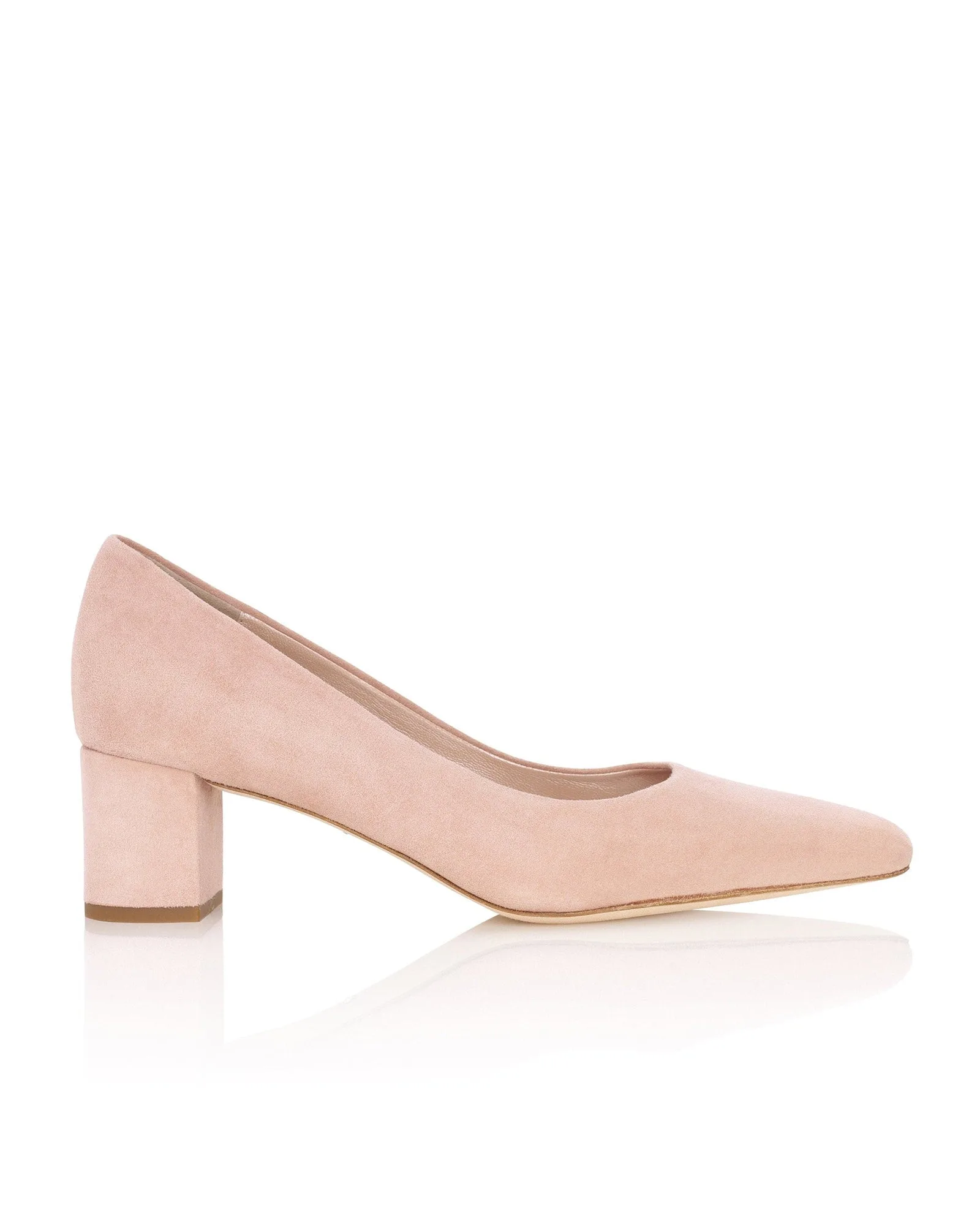
Sale stock is often limited to the sizes that did not sell, so you may be tempted to make a near-miss size work. Do not. A bridal shoe that is half a size too small will not stretch enough to be comfortable for a full wedding day, and a shoe that is too large will slip and rub. If you are buying online, measure your foot at the end of the day and compare it to the brand's specific size chart, not a generic conversion. If the sample sale pair only comes in one width and you normally need a wider fit, pass. For a pointed-toe court, your toes should not press against the front, and your heel should stay put when you walk a few steps. If the shoe has a straight mid-heel, as many classic bridal courts do, the stability comes from the heel height and the fit of the heel counter, so a loose counter is a dealbreaker.
How to Judge Material Quality Without a Lab Test
You can tell a lot about leather and suede by touch and sight. Supple Italian suede and soft leather linings feel smooth and slightly cool, and they flex without cracking. Rub the surface gently with your thumb: if it pills, flakes, or feels plastic, it is likely a lower-grade material. On suede, look for a uniform nap and no bald patches. On smooth leather, check the finish at the flex point near the toes. A sample shoe that has been tried on many times may show a dull spot there, which is cosmetic but can worsen. If the shoe is lined in soft leather, that is a strong sign of quality because leather linings breathe and mold to your foot. If the lining is synthetic and feels slick, the shoe may become hot and less comfortable over a long day.
Decision Rules for Buying Bridal Shoes on Sale
- Rule 1: Heel stability first: Press the heel sideways and walk a few steps. If the heel moves, clicks, or feels loose, walk away. A loose heel cannot be fixed cheaply and will ruin your wedding day. Checkpoint: a solid heel should not shift under moderate pressure.
- Rule 2: Fit over price: Only buy the sample sale pair if it fits like your normal size in that brand. Do not size up or down hoping it will work. If you need a specific width or heel height, look for a made-to-order option instead. Checkpoint: your heel should stay put and your toes should not touch the front.
- Rule 3: Material condition sets the ceiling: Inspect the upper for deep creases, cracks, or bald patches. Light scuffing on the sole is fine; cracked leather or worn-through suede is not. If the material is failing, the discount is not worth it. Checkpoint: supple leather and suede flex without cracking or flaking.
- Rule 4: Know your return options: Sample sale shoes are often final sale. If you cannot try them on in person, ask for close-up photos of the heel, sole, and toe box, and confirm the return policy in writing before you pay. Checkpoint: if returns are not allowed, only buy a pair you have seen from every angle.
What Good Sample Sale Bridal Shoes Look Like
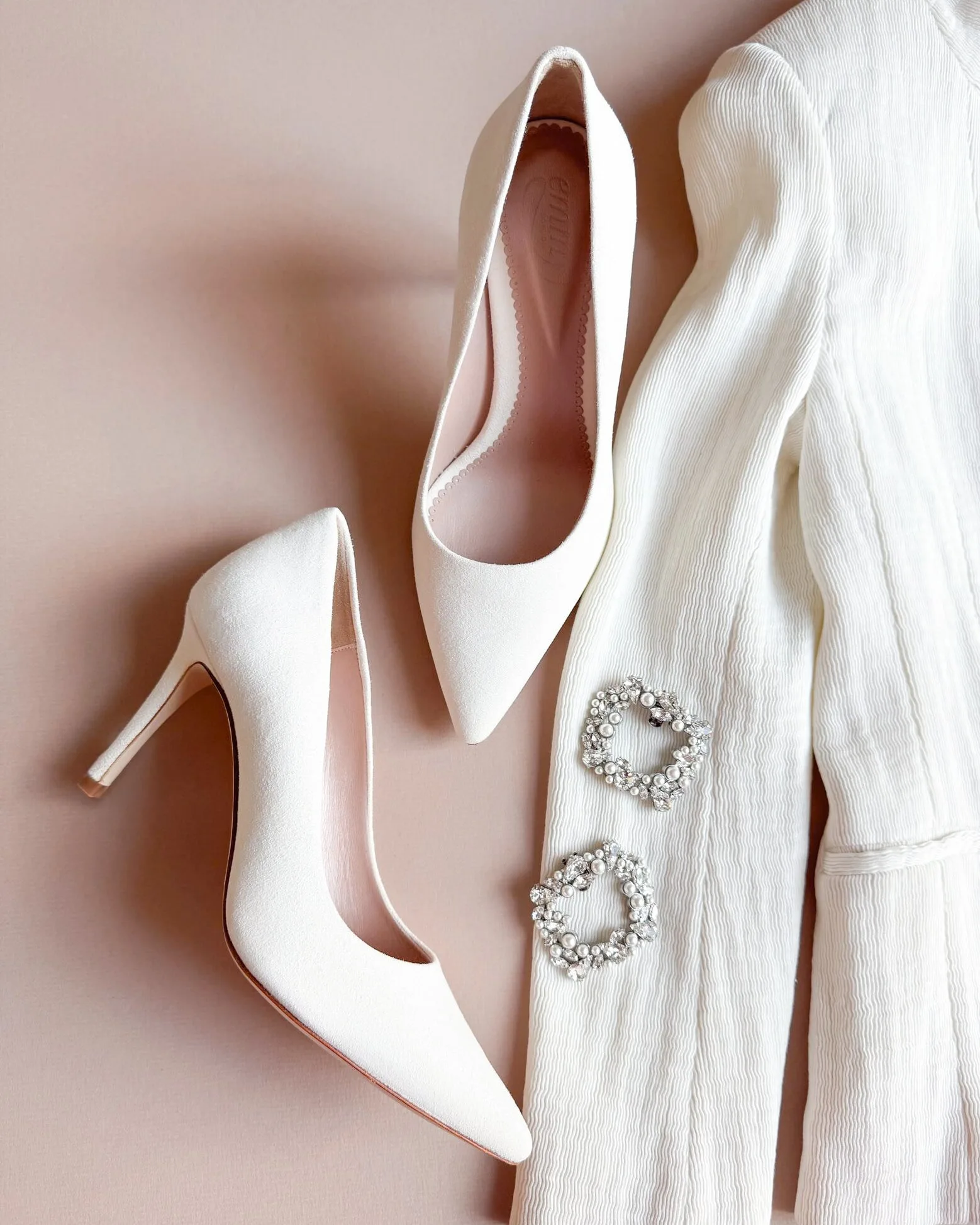
- Claudia Ivory Suede Bridal: These exquisite bridal shoes have a pointed toe and a straight mid-heel, making them a modern classic. These wonderfully simple courts are handmade in Portugal from supple, extremely smooth Italian suede and lined in the softest leather; you'll be comfy all day. A straight mid-heel and soft leather lining are exactly the features that hold up well in a sample sale because they are less prone to structural wear than a high, thin heel. The pointed toe means you should be extra careful about toe box room when trying on a sample pair.
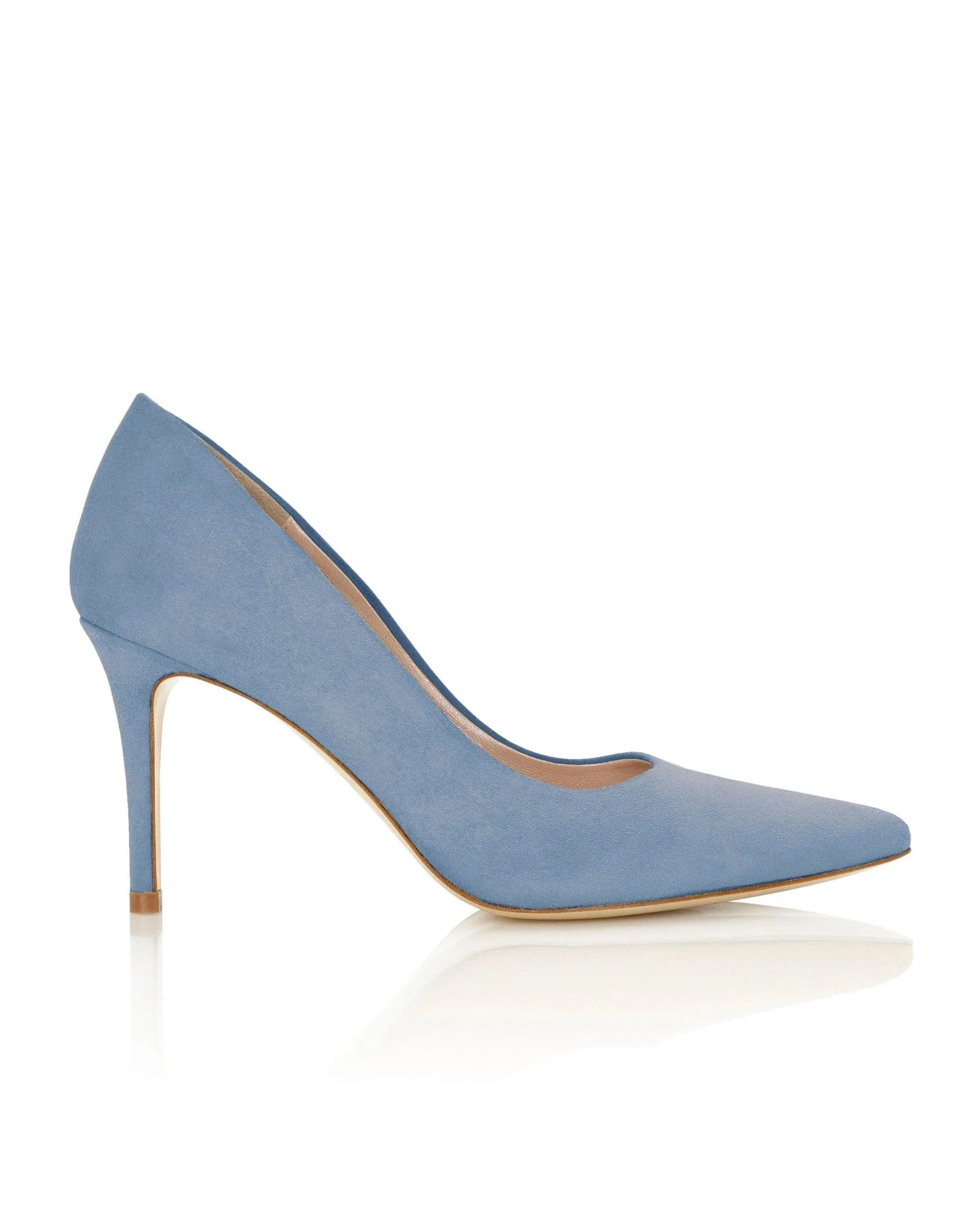
- Claudia Powder Blue Suede: The pointed toe and straight mid-heel make these dusty blue court shoes a modern classic. Claudia Powder Blue is handmade in Portugal using supple, super smooth suede and lined in the softest leather; these sophisticated courts are a joy to wear. The dusty blue shade works with a variety of outfits, pair yours with shimmering silvers and muted greys to bright creams and whites. A colored suede court is a smart sample sale target because it can be worn again after the wedding, so the cost per wear is lower. Check the suede nap carefully on any sample pair, since lighter shades show scuffs and handling marks more easily.
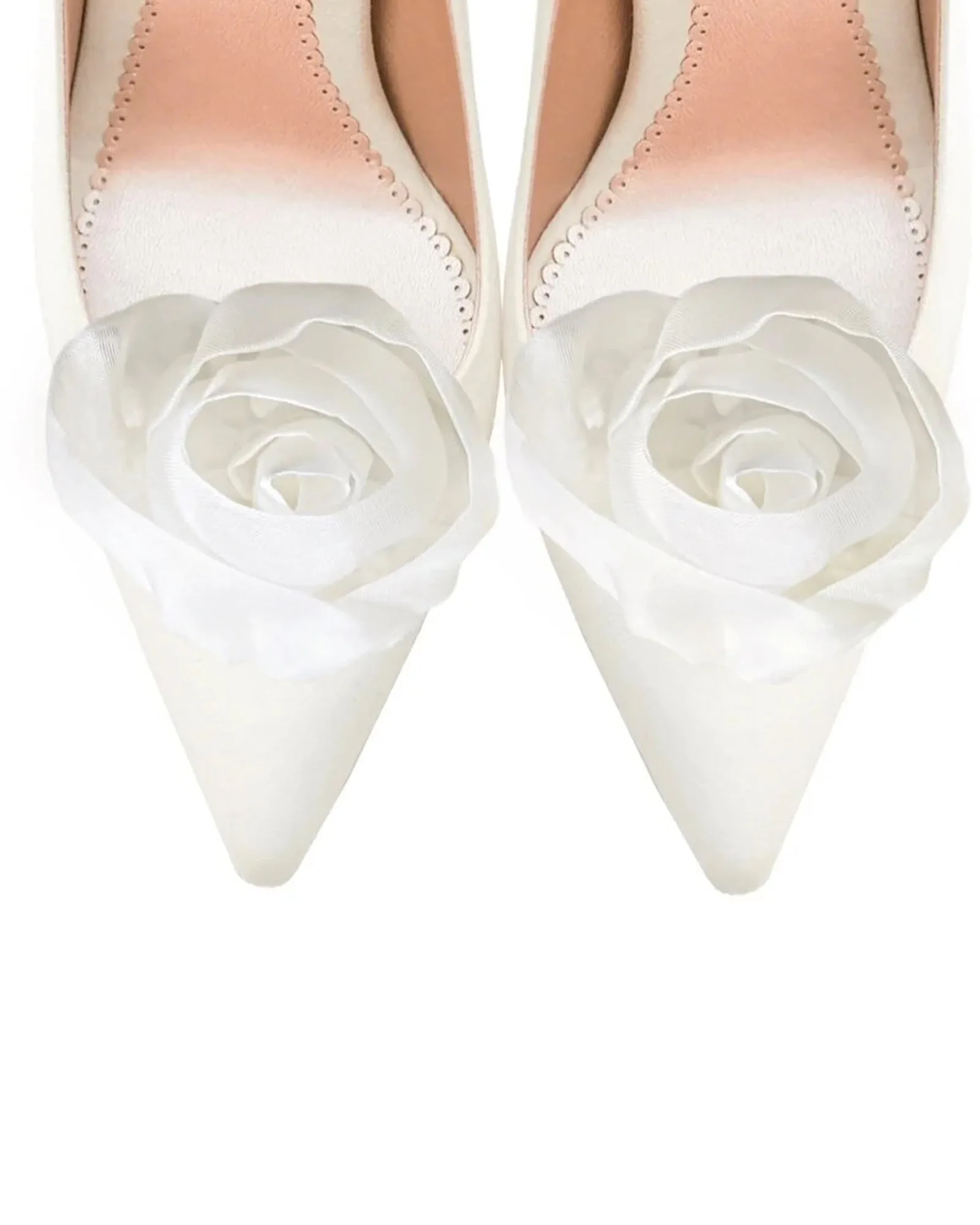
- Ivory Organza Rose: Organza Rose Ivory Shoe Clips. Clip these statement, three-dimensional clips to a pair of Emmy London classic courts for a fun and feminine look. We suggest pairing these clips with our Rebecca Ivory court shoes. Shoe clips let you change the look of a sample sale pair without altering the shoe, which is useful if the sample only comes in a plain style. They also cover minor scuffs at the toe, but they cannot fix a structural problem like a loose heel.
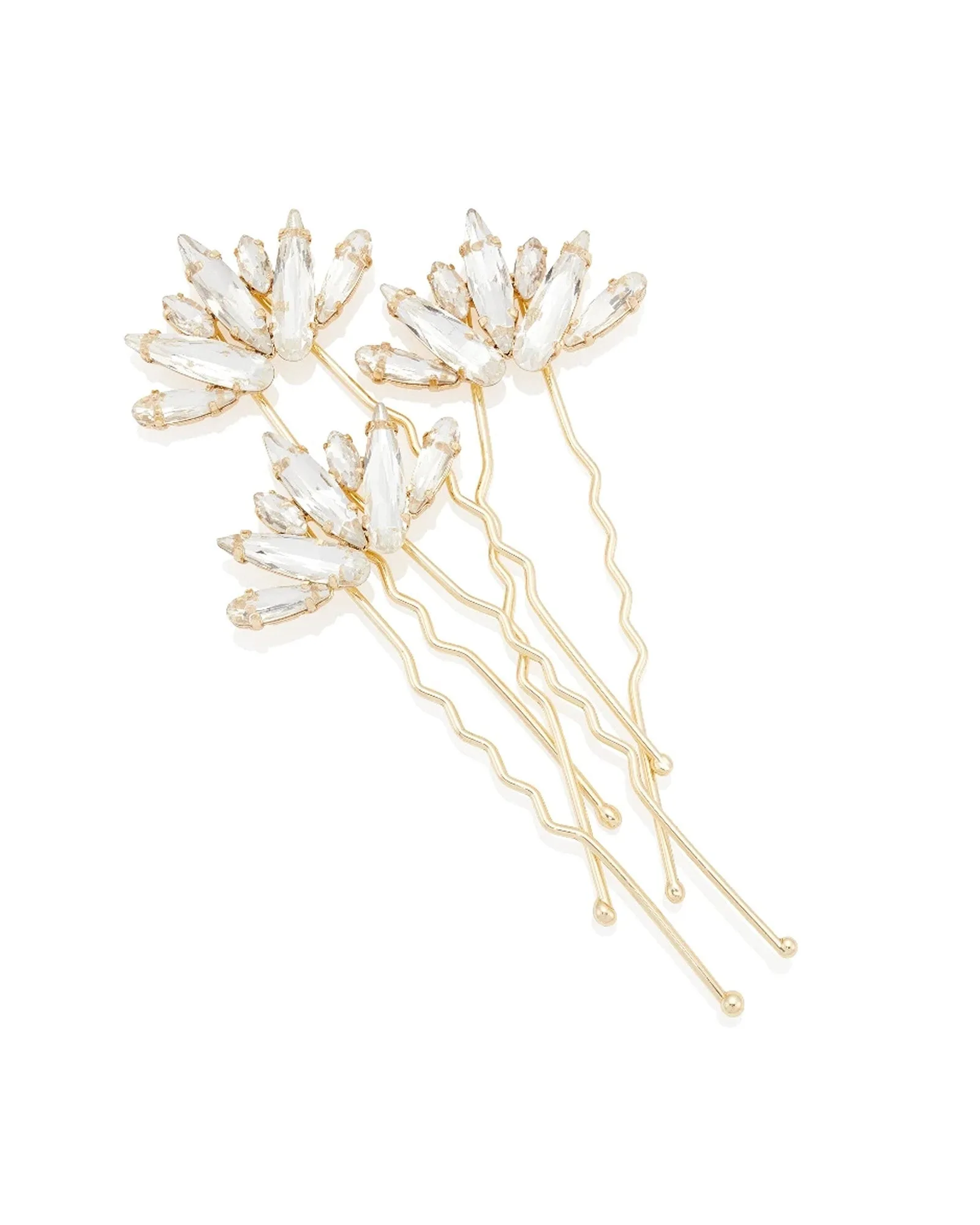
- Crystal & Gold Cluster Lotus: Inspired by the purity of white lotus flowers. These twinkling bridal hairpins and meticulously crafted using teardrop-shaped crystals to create the floral silhouette. These three bridal pins sit beautifully in an up-do, creating a modern bridal look. They can be easily worn after your big day becoming the go-to hair decoration for evening events. Price is for 3 pins. If your sample sale budget leaves less room for accessories, a versatile hair accessory that works after the wedding gives you more value than a single-use piece. It also means you can spend your shoe budget on fit and quality rather than matching embellishments.
Who Should Buy Sample Sale Bridal Shoes
Best for
- Brides who already know their exact size in a specific designer brand and can inspect the shoes in person.
- Shoppers looking for a classic court or a colored suede style they can wear again after the wedding.
- Buyers who are comfortable with final sale and can accept minor cosmetic scuffs in exchange for a lower price.
Not for
- Brides who need a custom fit, a specific width, or a heel height that is rarely stocked.
- Anyone who cannot try the shoes on before buying and cannot return them.
- Shoppers who want a flawless, never-tried-on pair for a once-in-a-lifetime event.